
How to Set an AQL Sampling Plan for LED Drawing Board Orders in 2026
The direct answer is to define the inspection lot, attributes, sampling standard and edition, defect classes, acceptance rules, and escalation process before production release, while avoiding copying an AQL number into a purchase order without agreeing the lot, sample selection, test methods, or what an acceptance result actually means.
1. Understand what acceptance sampling can and cannot tell you
An AQL-indexed plan is a lot-sampling decision method, not a promise that every unit in an order is defect-free or a direct measurement of the lot's exact defect percentage.
ISO published the third edition of ISO 2859-1 in January 2026. It describes sampling schemes indexed by acceptance quality limit for lot-by-lot inspection by attributes. In practical sourcing, the parties define a lot and inspect a sample using agreed criteria. The result is an acceptance decision under that plan; it does not prove that every unsampled board has no defect. Buyers should read the standard's scope and obtain the current edition rather than relying on an old sample-size chart copied from a supplier form.
Keep three concepts separate: the observed count in the sample, the plan's accept/reject rule, and the actual condition of all items in the lot. AQL is a parameter used to select a plan; it is not a target defect rate promised by the factory and not a warranty. An acceptance sampling plan also differs from a process audit or a systematic test designed to verify a declared quality level. Agree the decision use before choosing a standard or number.
The 2026 ISO edition is a timely reason to check whether an old inspection form cites the withdrawn 1999 edition. Do not silently change a contractual reference; buyers and suppliers should agree the applicable document and effective PO revision.
- Name the standard and edition explicitly.
- Treat the result as a sampling decision, not a defect-free guarantee.
- Use separate methods for process audits and product-specific tests.
2. Define the inspection lot before choosing the sample
The sample plan is only meaningful when the lot is clearly bounded by product configuration, production period, quantity, and any relevant packing or process distinction.
For LED drawing boards, one purchase order might include cloud, heart, rocket, and dinosaur shapes, plus separate base colors or packaging versions. Decide whether these are separate lots or whether a documented rationale supports combining them. Do not merge units from different revisions if the relevant features changed during production. Record the lot size, SKU, factory line or period if available, carton range, and the point at which the lot is presented for inspection. The standard's sampling rules depend on these defined inputs.
Agree how the inspector will identify randomly selected cartons and units, and how inaccessible, damaged, or missing cartons are handled. A convenient sample chosen by a supplier from the top of a display carton may not represent the intended lot. The buyer and factory should record sample selection and substitution rules in advance. If an order is split into separate shipments, clarify whether each shipment is a separate inspection lot and who authorizes release.
Acceptance sampling balances producer and consumer risks according to the selected plan. A buyer should not describe AQL as the percentage of defective units guaranteed in the shipment or as a statistical prediction of a particular lot without the proper analysis.
- Identify configuration and revision.
- Define lot quantity and presentation for inspection.
- Document random selection and any split-lot rules.

3. Write defect classes in observable terms
A sampling plan needs product-specific acceptance criteria that inspectors can apply consistently to a visible or measurable condition.
Create a defect table around the actual board and its customer requirements. Examples to define may include panel cracks, unacceptable scratches under an agreed viewing method, a non-functioning light mode, unstable base fit, missing marker, incorrect retail contents, unreadable required label, or carton damage beyond the agreed condition. These examples do not set universal defect classes. The buyer must decide severity and consequence for the intended market and product. Describe where, under what light, from what distance, and using which reference the observation will be judged when visual criteria matter.
Separate critical, major, and minor categories only if the parties have defined what each class means and the applicable acceptance numbers. A cosmetic variation should not become a critical defect by an inspector's personal preference. A safety concern should be escalated through the responsible product-safety process rather than handled as ordinary cosmetic sampling. Use photographs and a signed sample to illustrate known requirements, but do not let a photograph replace a clear written criterion.
For an acrylic panel, a scratch definition can depend on location, size, visibility, and the intended retail presentation. Define the inspection setup and viewing condition before the inspector sees the goods, then use consistent photographs for repeat observations.
- Use observable language instead of subjective adjectives.
- Specify inspection conditions for appearance judgments.
- Separate safety escalation from routine defect counting.
4. Select a plan with the standard and edition in view
Choose the sampling scheme with the buyer's quality owner and supplier, using the current standard and lot data rather than selecting a sample size from an internet calculator alone.
ISO 2859-1:2026 includes single, double, and multiple sampling approaches and updates from the prior edition. The standard's tables, code letters, switching rules, and selection process should be applied as written by a competent quality professional. A blog article should not replace the standard's paid text or calculate a plan without the needed lot and inspection-level inputs. Record the standard edition, inspection level, sampling type, AQL parameters by defect class, and any special conditions selected by the parties.
A buyer should also consider whether acceptance sampling is appropriate for the lot and risk. A destructive test, a critical safety attribute, or a product characteristic requiring measurement may need a separate plan or a different test design. Define the relationship between random inspection, factory in-process controls, functional testing, and shipment release. The sampling plan provides one decision tool; it does not perform the underlying product specification work for you.
A functional check should be tied to the product instruction and power method. If one configuration uses a USB source and another uses a battery base, document which version is being inspected and what accessory is supplied.
- Reference ISO 2859-1:2026 if that is the chosen edition.
- Record all plan parameters in the purchase agreement or inspection instruction.
- Use separate controls where the product risk needs them.
5. Agree the inspection and test method before production
A countable sample does not create a repeatable inspection unless the parties also specify method, equipment, environment, records, and inspector authority.
For a lit board, define the power source and operating sequence used to check the agreed light function. For the acrylic surface, define viewing conditions and the reference sample used for finish comparison. For included markers, list the expected colors and quantity and state whether testing involves writing and erasing. If the buyer requires a dimensional check, name the measurement points, tool, and tolerance. Use factory testing to verify the agreed characteristics during production and use final random sampling for its defined purpose; do not substitute one for the other without agreement.
State who may inspect, how much notice is needed, how results and photos are shared, and who pays for reinspection if applicable. Identify whether the inspector may open retail packaging and how it will be restored. Use calibrated or suitable equipment where the method requires it, and distinguish a visual observation from a laboratory measurement. Shipment inspection should record what was checked and the sample size, not just state 'passed' without scope.
Package-content verification is an attribute check only after the expected kit has been frozen. Compare marker quantity, inserts, base, cable or power item, and retail packaging with the current bill of contents.
- Describe the method for each critical-to-quality characteristic.
- Set operating and environmental conditions.
- Record the sample, inspector, observations, and limitations.
6. Define what happens after a sample decision
The purchase order should state who can accept or reject the lot, how nonconformities are contained, and what evidence is needed before a retest or rework decision.
If a sample fails, first protect the lot from accidental shipment while the buyer and supplier review the record. Confirm that the lot identity, sampling method, and defect classification were applied correctly. Then decide whether a second sample, expanded inspection, sorting, rework, or independent assessment is appropriate under the agreed terms. Do not quietly replace a failed unit in the sample and report a pass unless the plan allows that action. Record the original result and any follow-up separately so the history remains complete.
A passing result should identify the lot and release condition; it should not erase a known process issue or promise that no field defect can occur. If repeat lots show a pattern, the buyer may need a process corrective action and a review of inspection severity under the standard's switching rules. That decision should be made by quality personnel using the applicable plan, not by sales pressure on the shipment date.
A random sample can be undermined by selection bias. Define how cartons are picked across the lot and how any inaccessible carton is documented. The record should allow another reviewer to understand how the sample was obtained.
- Name the lot-release authority.
- Preserve initial failures and every follow-up result.
- Escalate recurring patterns to process corrective action.
7. A purchase-order checklist for LED drawing board sampling
Before production, write down the lot definition, applicable standard and edition, product requirements, sampling parameters, test instructions, record format, and release authority.
A useful buyer checklist asks: Which configuration is being inspected? How are lots separated? Who chooses cartons and units randomly? Which defect classes apply and how are they observed? What tests must be completed before sampling? Which edition and plan are used? Who can accept the lot? How will failed findings be contained and investigated? What happens after a product or packaging change? Answering these questions before the factory visit removes ambiguity from a short inspection window and creates a comparable record across orders.
Keep a copy of the approved criteria with the golden sample, product specification, and current purchase order. If a buyer changes the board base, acrylic finish, packaging, or included marker set, revisit the relevant criteria before production. LumDigi can discuss a buyer-defined inspection scope and supply product facts for a sample review. The buyer should retain control over acceptance limits and ensure that the plan fits its product, market, and contractual responsibilities.
An inspection report should identify the method and its limits. It should not claim certification or imply that an inspection by attributes assessed every safety, chemical, electrical, or regulatory requirement.
- Attach the sampling instruction to the current PO revision.
- Train the inspector on the signed product reference.
- Reopen the plan when a relevant product or process changes.
8. Conclusion: sampling works best when agreement comes first
An AQL plan is useful only when both parties understand the lot, standard, defects, sample method, decision rule, and what a result can legitimately support.
The 2026 update to ISO 2859-1 is a good prompt to review old purchase-order language. Replace an unexplained acronym or isolated number with a complete inspection agreement. Start from the actual LED drawing board configuration, define the product characteristics, consult the standard, and assign responsibilities for inspection and corrective action. The goal is a repeatable decision supported by traceable records, not a promise that sampling eliminates every risk.
Send LumDigi the board shape, approved specification, quantity and lot scenario, required tests, and buyer's draft acceptance criteria. We can discuss how the product is configured and what factory observations can be recorded. The importer or brand owns its chosen sampling plan, contractual acceptance rules, and market obligations; use a qualified quality professional for statistical plan selection.
When the result is close to an acceptance boundary, follow the selected plan and written contract. Do not alter defect classification after seeing the count unless a documented factual correction is made and approved.
- Use the current standard deliberately.
- Define defects in buyer-observable terms.
- Use sampling alongside—not instead of—appropriate process controls.
Frequently asked questions
Does an AQL pass mean all LED drawing boards in the lot are defect-free?
No. Acceptance sampling makes a lot decision from a defined sample under an agreed plan. It does not inspect every unit or guarantee a defect-free shipment.
What is new about ISO 2859-1:2026?
ISO's page identifies the third edition, published in January 2026, with updated sampling guidance and schemes. Buyers should consult the standard itself and agree the edition and plan parameters before applying it.
Can I use one AQL value for every defect?
The parties should define defect classes and plan parameters for the product and risk. A single unexamined number may not address safety, function, appearance, and missing contents appropriately.
What should I send LumDigi to discuss inspection?
Share the selected board model, current specification, lot size, critical requirements, sampling standard you intend to use, and draft inspection checklist. LumDigi can help clarify the factory configuration and agreed observations.
Image planning for this topic
These notes document the role and intended context of the two visuals used in this guide.
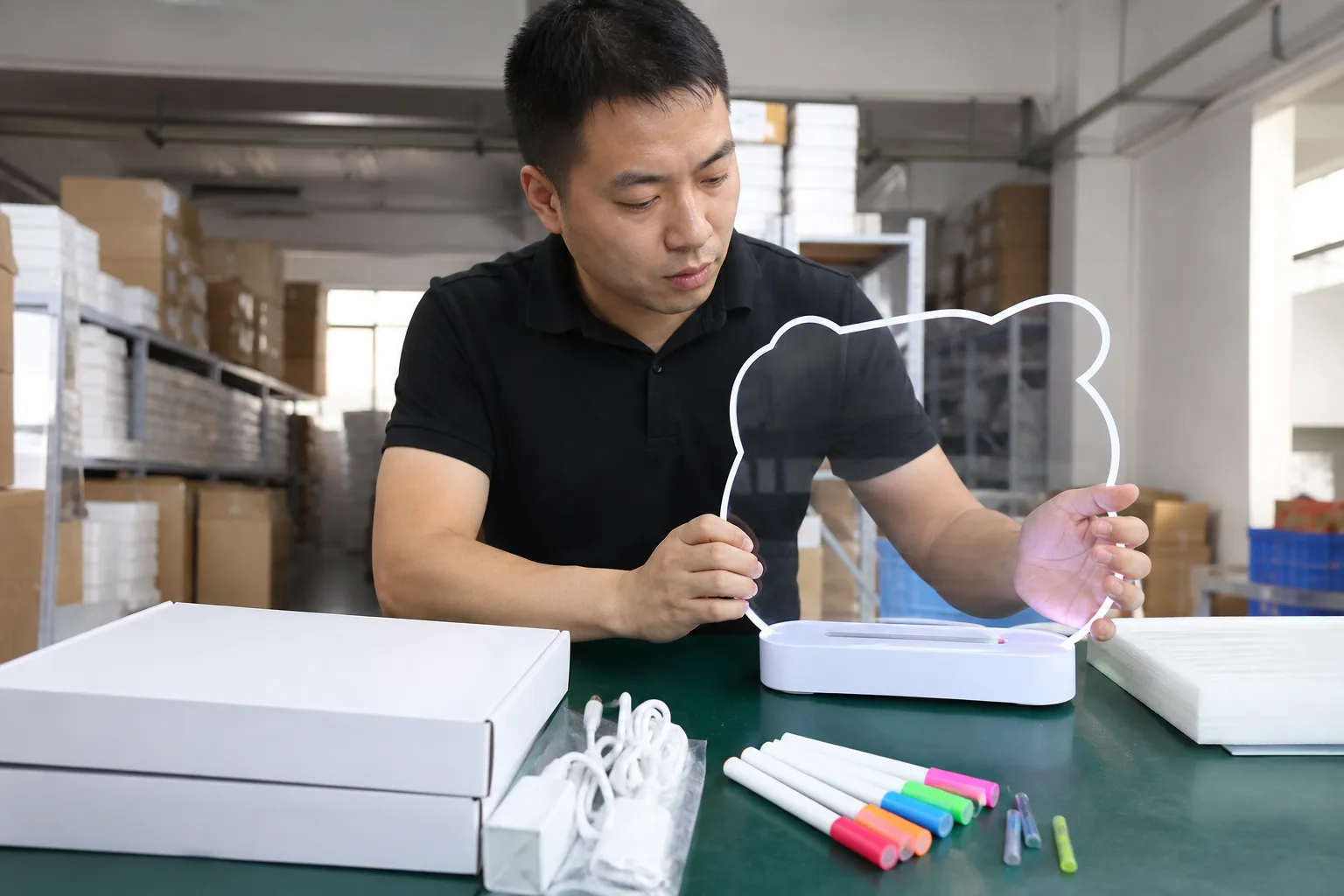
Show a buyer decision context for How to Set an AQL Sampling Plan for LED Drawing Board Orders in 2026.
- Placement
- hero
- Caption
- A quality inspector selects identified units from a defined finished-goods lot for a planned check.
- ALT text
- AQL inspection LED drawing board B2B buyer review
View AI image direction
Photorealistic documentary photograph for a LumDigi B2B article about How to Set an AQL Sampling Plan for LED Drawing Board Orders in 2026. Photorealistic Chinese factory inspection table with an Asian quality inspector randomly selecting shaped acrylic LED drawing boards from a clearly bounded finished-goods lot, neutral unbranded cartons, clipboard with blurred checklist, no readable codes or certificate, natural warehouse lighting, documentary photo. Real acrylic texture, candid commercial setting, landscape composition, no readable logos, no certificates, no text overlay, no watermark.
Show practical factory or shipment-review context for How to Set an AQL Sampling Plan for LED Drawing Board Orders in 2026.
- Placement
- after-key-considerations
- Caption
- Buyer and factory quality staff compare observed conditions with agreed defect definitions.
- ALT text
- AQL inspection LED drawing board Chinese factory review
View AI image direction
Photorealistic documentary photograph for a LumDigi B2B article about How to Set an AQL Sampling Plan for LED Drawing Board Orders in 2026. A Chinese Asian quality technician and overseas buyer compare a real acrylic LED board sample against a blank defect-classification sheet, inspecting edge finish, illumination, markers and package contents; realistic factory QC room, no readable labels, candid professional photography. Real acrylic texture, candid commercial setting, landscape composition, no readable logos, no certificates, no text overlay, no watermark.
Turn the article into a practical sourcing brief
Use the checkpoints above to document the product, evidence, packaging, and approval decisions relevant to your market. A clear brief helps suppliers respond to the same commercial question and gives your team a traceable basis for the next step.
Useful external references
- ISO 2859-1:2026: Sampling procedures for inspection by attributes
Official page for the 2026 edition, scope, publication status, and sampling-plan context.
- ISO 2859-4:2020: Assessment of declared quality levels
ISO explains that declared-quality assessment and acceptance sampling for lots have different purposes.
- GS1 Product Image Standard
Primary guidance for consistent product-image identification and digital assets.
LED Drawing Board Finished Goods Acceptance Plan for B2B Buyers
A practical buyer guide for importers, distributors, and private-label procurement teams who need to prepare a buyer-owned finished-goods acceptance plan for the exact product, pack, quantity scope, and release decision.
Read article
LED Drawing Board Factory Quality Control Guide for Overseas Buyers
A practical B2B guide for quality managers and importers who need to define factory quality observations that match the agreed board and packed product.
Read article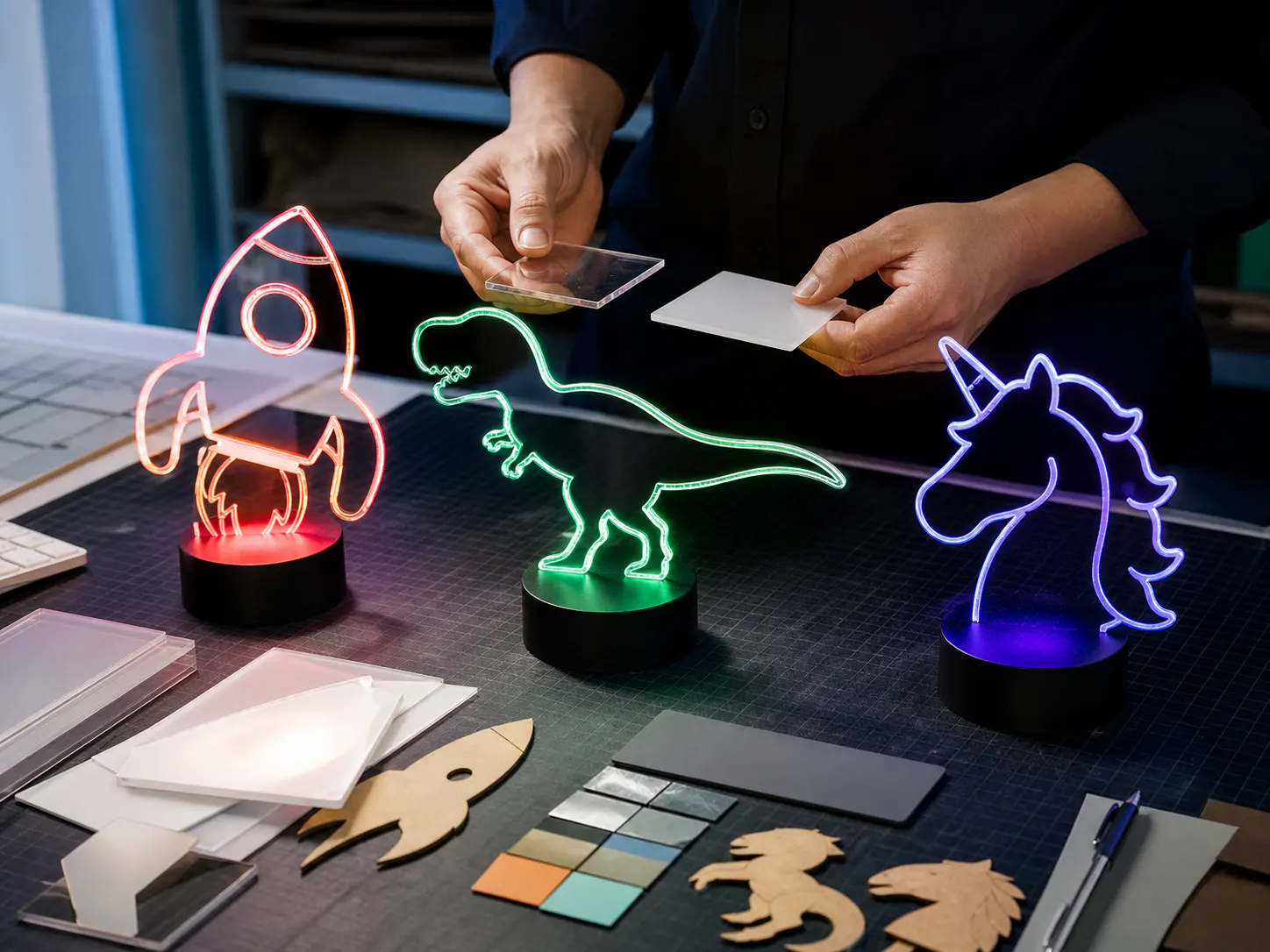
LED Drawing Board Pre-Shipment Inspection Guide for B2B Orders
A practical B2B guide for importers and distributors who need to prepare a factual inspection request around agreed product identity, visible condition, operation and packing observations.
Read articleLED Drawing Board Buyer Acceptance Criteria Guide
A practical B2B guide for importers, quality teams and private-label buyers who need to define buyer acceptance criteria for the exact LED drawing board configuration before sample and shipment review.
Read article