
Freight Forwarder Quote Data for LED Drawing Board Shipments
The direct answer is to request a comparable freight quote from a defined origin, route, cargo profile, carton record, and service scope, while avoiding sending incomplete or estimated carton data and treating a preliminary rate as a confirmed landed cost.
1. Define exactly what service you want priced
A useful freight request names the origin, destination, transport mode, cargo readiness, pickup and delivery scope, shipment size, and service requirements before asking for a rate.
“Please quote shipping” does not tell a forwarder whether the buyer needs port-to-port ocean freight, airport handling, customs brokerage, pickup from a factory, destination delivery, or an all-in service. State the origin city or pickup location, destination city or facility, preferred mode, target ready date if known, Incoterms® basis if already agreed, and any service exclusions. Request separate line items for freight and local charges so the team can see which elements are included and which require another provider.
For LED drawing boards, be clear whether the cargo is a commercial order, samples, display units, or a mixture. Give the number of SKUs, how many cartons per SKU, whether cartons may be mixed, and whether a shipment is ready or still under development. A quote based on an early sample should be labeled preliminary. The supplier’s production pack may differ from a sample pack, and transport cost assumptions should be refreshed when final carton measurements and quantities are available.
If destination details are not final, request a clearly labelled budget estimate and give a planning range rather than a false exactness. Ask what assumptions the provider used. A budget figure should not be copied into an invoice or treated as a booking confirmation.
- Name origin, destination, mode, scope, and shipment status.
- State whether cartons are single-SKU or mixed.
- Request a breakdown of included and excluded logistics charges.
2. Build a carton-level data table
Provide carton count, outer dimensions, gross weight, net weight where available, package marks, and units per carton for each identified variant; label estimates clearly.
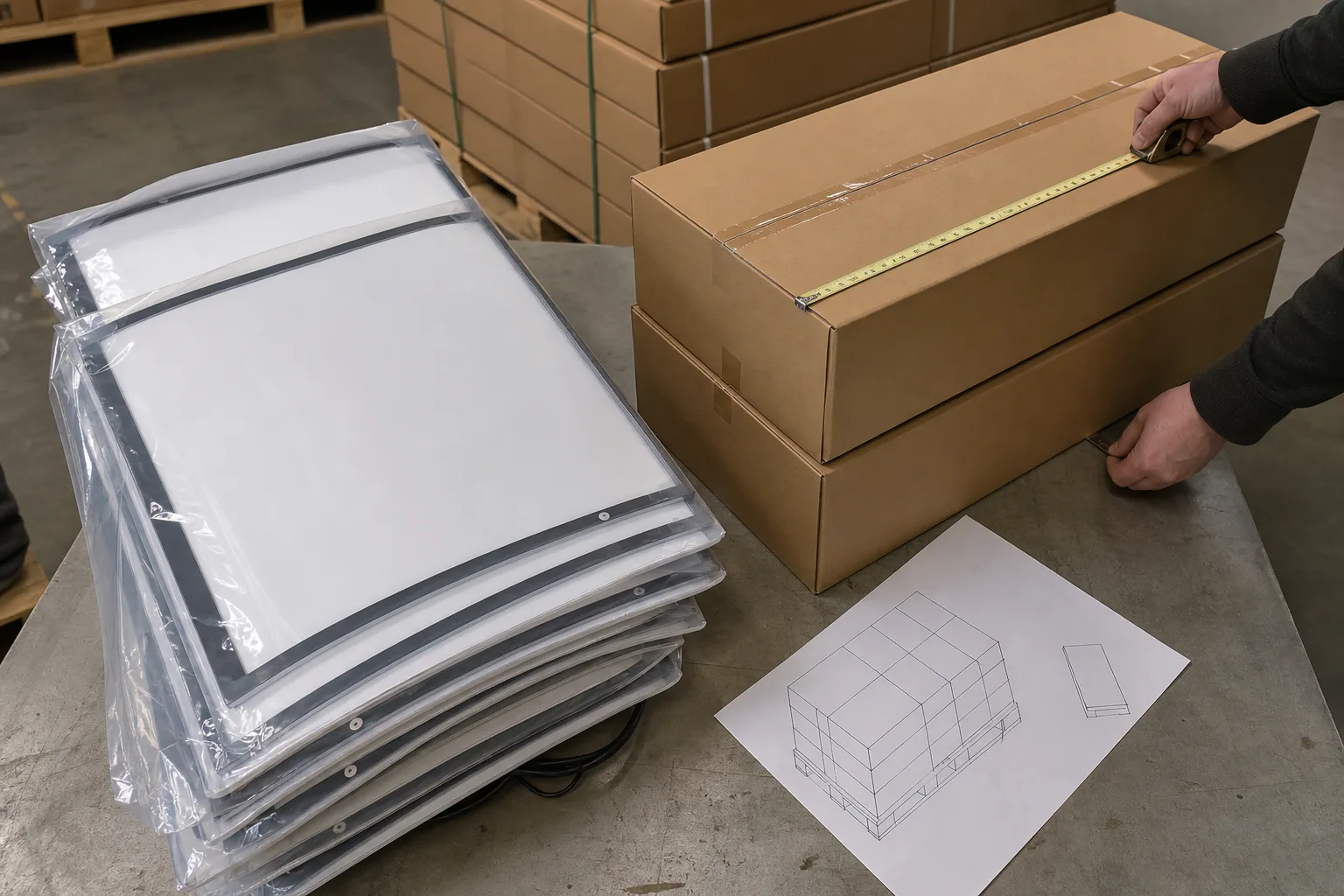
A packing list is used by freight forwarders to evaluate weights and freight costs, and it can help customs officials check package contents. Prepare the data at the carton or package level, rather than reporting only the total order quantity. For each carton type, show the SKU or shape, units inside, package count, outer length, width, height, gross mass, net mass where measured, and marking. If several cartons differ, list each type separately instead of multiplying one measurement across the shipment.
Tell the forwarder how measurements were obtained and when. Was the carton measured from a production packed sample, a final pre-shipment count, or an early estimate? Note the measuring method and any palletization assumption. Ask whether the forwarder wants dimensions in centimeters or millimeters and weights in kilograms, and use one consistent unit set. Keep the packing list, carton labels, and supplier quotation tied to the same order version. Do not use a web photo or CAD drawing as a substitute for a measured shipping package.
For each carton type, state whether the weight is gross or net. Gross weight normally includes the package, while net weight refers to the goods; providers and forms may request both. If you do not have a reliable value, state that it is pending and identify who will measure it.
- Itemize cartons by SKU or carton configuration.
- Record measurement date, unit, method, and confidence.
- Reconcile count and dimensions with the current packing plan.

3. Describe the cargo without overstating handling needs
Describe the cargo accurately as packed, including fragile surfaces or special handling requests when justified by the packaging and carrier requirements.
Acrylic panels can be sensitive to surface contact and edge impact, so the buyer should explain the packed configuration and request confirmation of any handling requirements from the carrier. Provide package material descriptions and photographs when useful, but avoid assigning a dangerous-goods classification or special cargo category without evidence. A drawing board containing an electrical base or power accessory may lead to additional carrier questions; answer those from current component documentation, not assumption. Let the forwarder identify required declarations for its route and service.
State whether cartons can be stacked, whether pallets are planned, and whether there are limits on orientation, overhang, or access. These are questions to confirm against actual packaging and route constraints, not universal instructions. If a buyer is concerned about damage, connect the request to the approved packed sample, internal protection, carton structure, and an agreed inspection or transport test plan. A visually intact sample is not proof of performance across all transport conditions. Keep descriptive facts separate from formal packaging validation.
Do not mark every acrylic item as “fragile” and assume that label changes carrier handling. Ask the forwarder what packaging declarations or handling instructions it accepts. Keep any buyer-approved label and packing method consistent with the actual shipment and carrier booking.
- Use current photos of the packed configuration.
- Disclose powered components only from product records.
- Agree special handling or stacking instructions with the forwarder.
4. Compare transport options on the same basis
When comparing air, ocean, courier, or multimodal offers, use the same cargo quantities, route, pickup scope, delivery point, customs services, and quotation validity.
A mode comparison can be misleading if one quote includes pickup and final delivery while another covers only a main transport leg. Give each provider the same carton table, date window, ready location, destination, and service instructions. Ask whether the rate is based on actual or volumetric weight, how minimum charges apply, which surcharges may change, and how long the quote remains open. For ocean freight, confirm whether the proposal is container or consolidated cargo and what origin and destination handling has been included.
For sample shipments, courier convenience may be appropriate but customs paperwork and receiver details still matter. For commercial orders, the buyer may compare a forwarder’s service with a supplier-arranged option. Keep Incoterms® and service scope aligned: the sales term allocates certain obligations, while a freight quote describes the provider’s contracted services. Neither one automatically defines every customs cost or last-mile task. Have the forwarder explain exclusions in writing before using an estimate in a purchasing approval.
Compare the transit assumptions and service calendar, but treat them as estimates until the provider confirms booking and departure. Customs holds, carrier schedules, peak conditions, and documentation issues can affect actual movement; request updates from the contracted logistics provider.
- Send identical shipment inputs to each forwarder.
- Check chargeable-weight and surcharge assumptions.
- Separate sales-contract terms from the provider's service quote.
5. Align the freight request with commercial documents
The product description, quantities, carton count, marks, and package data in the freight request should reconcile with the purchase order, packing list, and commercial invoice.
The forwarder should not have to infer whether a “cloud board set” includes one board, a base, markers, and a USB cable, or whether accessories are packed separately. Use one product description and SKU mapping across the purchase record and shipping documents. Compare total units by variant to the carton count and units per carton. Check that the invoice and packing list describe the same shipment while serving their different purposes. The U.S. government’s export-document guidance notes that the packing list is more detailed than a standard domestic list and is not a substitute for the commercial invoice.
Assign named owners for final product quantities, measured carton data, invoice value and description, transport booking, and destination details. If a shipment changes after the quote, issue a revised data sheet and ask the provider to recalculate. Keep an old version for traceability, but mark it superseded. A buyer can use a simple revision field and approval date to prevent an estimate from being copied into final paperwork. Shipment inspection can confirm observed carton marks and counts against the buyer’s scope; the forwarder separately confirms its booking data.
An accurate product schedule can reduce warehouse confusion as well as freight questions. Include outer carton IDs and the quantity by shape. If an order is split over several cartons or pallets, the receiving team can reconcile a delivery without guessing from a generic carton count.
- Use the same SKU and variant names across documents.
- Reconcile units, cartons, marks, and weights.
- Name who owns each final data field and revision.
6. Prepare for the measured production pack
Refresh the freight quote when final packed cartons are measured, because a change in retail packaging, protective inserts, or order mix can change shipment inputs.
A sample shipment may use extra protective wrapping or a different retail box from bulk production. A new gift sleeve, multilingual insert, display stand, or mixed-shape set can also change outer dimensions and weights. Treat those as a new pack configuration and measure the complete carton. Check the number of retail units per carton, insert arrangement, separators, and closure before forwarding data. If the outer carton has not been built, label the data as an estimate and state what will trigger a revised quotation.
A useful handover includes photographs of the closed carton, a scale reading, a tape measure at each external side, the pack count, and a photo of the shipping mark. Do not alter the package to meet a freight assumption without reviewing panel protection and retail requirements. If compression or transit testing is required, define the method and scope separately. The freight estimate is a cost-planning tool; the shipment pack must still satisfy buyer-defined product presentation, handling, and destination requirements.
If the production carton has not been finalized, tell the provider when the updated measurements will be sent. The forwarder may need to recalculate cargo space or chargeable weight. Document the estimate source so the revised quote can be compared fairly.
- Measure the complete, closed production carton.
- Update freight data after any pack or assortment change.
- Keep transport cost planning separate from package validation.
7. Request a quote with clear response fields
Ask the provider to return route, mode, transit assumptions, rate basis, included services, exclusions, accessorial charges, quote validity, and documents needed to book.
A reusable request template should include: shipper and receiver details; collection and delivery points; shipment readiness date; mode preference; carton counts; dimensions and weights; goods description; invoice value if required; product and power details requested by the carrier; Incoterms® and named place where agreed; and contact for follow-up. Ask the provider to identify any missing declaration, carrier restriction, or local requirement before booking. This turns a forwarder reply into a comparable planning record rather than a single rate with hidden assumptions.
When the quote arrives, confirm that the goods description is accurate, the quantities match, and all requested service points are covered. Ask which charges are estimates, currency and validity, how billing weight is determined, and whether destination charges are included. Compare the quote with the supplier’s order terms and buyer’s own broker arrangement. Review the U.S. International Trade Administration packing-list guidance in the linked resources, then tailor the final paperwork to the actual import country and provider instructions.
Use a form with mandatory fields for origin, destination, package count, dimensions, weight, goods description, cargo ready date, and requested service. A consistent form makes future quotes faster to compare and helps identify which input is missing when a provider cannot return a firm rate.
- Use a structured request template.
- Ask the provider to list exclusions and variable charges.
- Save the returned quote against the exact carton revision.
8. Decide what remains before booking
Book only when cargo identity, pack measurements, route, service scope, documents, and responsible contacts are aligned well enough for the forwarder to accept the shipment.
The final review is a reconciliation, not a search for one magic rate. Confirm the production order reference, measured cartons, counts, marks, shipping documents, pickup date, named terms, broker contacts, insurance arrangements, and destination delivery address. If something remains open, write down the owner and decision date. For a mixed assortment, attach a variant-to-carton table. For a sample, mark it clearly as a sample and provide the recipient’s customs information requested by the courier or broker.
When requesting an LED board quote from LumDigi, provide the destination, order range, shape mix, packed contents, and preferred route or named delivery point. Ask for the latest packing assumptions and indicate whether the data is needed for a preliminary comparison or a booking-ready document. LumDigi can help confirm product and packing facts for the specified configuration. The freight provider should confirm transport service and charges. Send product questions using the inquiry page.
Before release, share the final invoice and packing list with the broker and forwarder in the format each requires. Keep an internal copy of the exact data used for booking so later billing can be compared with the assumptions originally quoted.
- Confirm the latest carton revision and final quantity.
- Close all provider document requests before pickup.
- Keep a copy of the booking basis with the order file.
Frequently asked questions
What dimensions should I send for a freight quote?
Send the external dimensions of each carton type, package count, gross weight, net weight where available, and units per carton. State the measurement date, units, and whether values are estimated or production-confirmed.
Can a sample carton measurement be used for a bulk quote?
It can support a preliminary estimate if labeled clearly, but refresh the quote using the final production pack and carton mix before booking.
Is the packing list the same as a commercial invoice?
No. They serve different purposes. The packing list itemizes package contents and measurements; the commercial invoice records the sale and customs value information required for the transaction.
Does a freight quote include destination charges?
Not automatically. Ask the provider to list the route, included service legs, origin and destination handling, brokerage, delivery, surcharges, exclusions, and quote validity.
Image planning for this topic
These notes document the role and intended context of the two visuals used in this guide.
Show a buyer decision context for Freight Forwarder Quote Data for LED Drawing Board Shipments.
- Placement
- hero
- Caption
- Configuration-specific evidence supports a clearer B2B buying decision.
- ALT text
- LED drawing board freight quote data B2B buyer review
View AI image direction
Photorealistic documentary photograph for a LumDigi B2B article about Freight Forwarder Quote Data for LED Drawing Board Shipments. A logistics coordinator measures the outside of a closed carton holding shaped LED acrylic drawing boards with a tape measure and floor scale, writing carton dimensions on a blank worksheet beside a sample board and packing list, practical warehouse light. Real acrylic texture, candid commercial setting, landscape composition, no readable logos, no certificates, no text overlay, no watermark.
Show practical factory or shipment-review context for Freight Forwarder Quote Data for LED Drawing Board Shipments.
- Placement
- after-key-considerations
- Caption
- Factory observations should be recorded against the agreed configuration and defined scope.
- ALT text
- LED drawing board freight quote data Chinese factory review
View AI image direction
Photorealistic documentary photograph for a LumDigi B2B article about Freight Forwarder Quote Data for LED Drawing Board Shipments. Chinese warehouse workers count separate cartons of cloud, heart and rocket shaped LED drawing boards, scan blank product labels and arrange cartons for a freight quote review; genuine active shipping area with Asian staff, neutral daylight. Real acrylic texture, candid commercial setting, landscape composition, no readable logos, no certificates, no text overlay, no watermark.
Turn the article into a practical sourcing brief
Use the checkpoints above to document the product, evidence, packaging, and approval decisions relevant to your market. A clear brief helps suppliers respond to the same commercial question and gives your team a traceable basis for the next step.
Useful external references
- U.S. International Trade Administration: Packing List
Official overview of package contents, measurements, and freight-forwarder use.
- U.S. International Trade Administration: Common Export Documents
Explains common shipping paperwork and the information a packing list may include.
- GS1 Product Image Standard
Primary guidance for consistent product-image identification and digital assets.
LED Drawing Board Palletization Review Guide
A practical B2B guide for importers and logistics planners who need to review palletization with the confirmed carton, quantity, handling and destination context.
Read article
LED Drawing Board Carton Cube Planning Guide for Wholesale Orders
A practical LumDigi guide for importers, logistics planners, and wholesale buyers who need to collect product and carton dimensions, pack structure, quantity scenario, and assumptions in a configuration-specific planning file.
Read article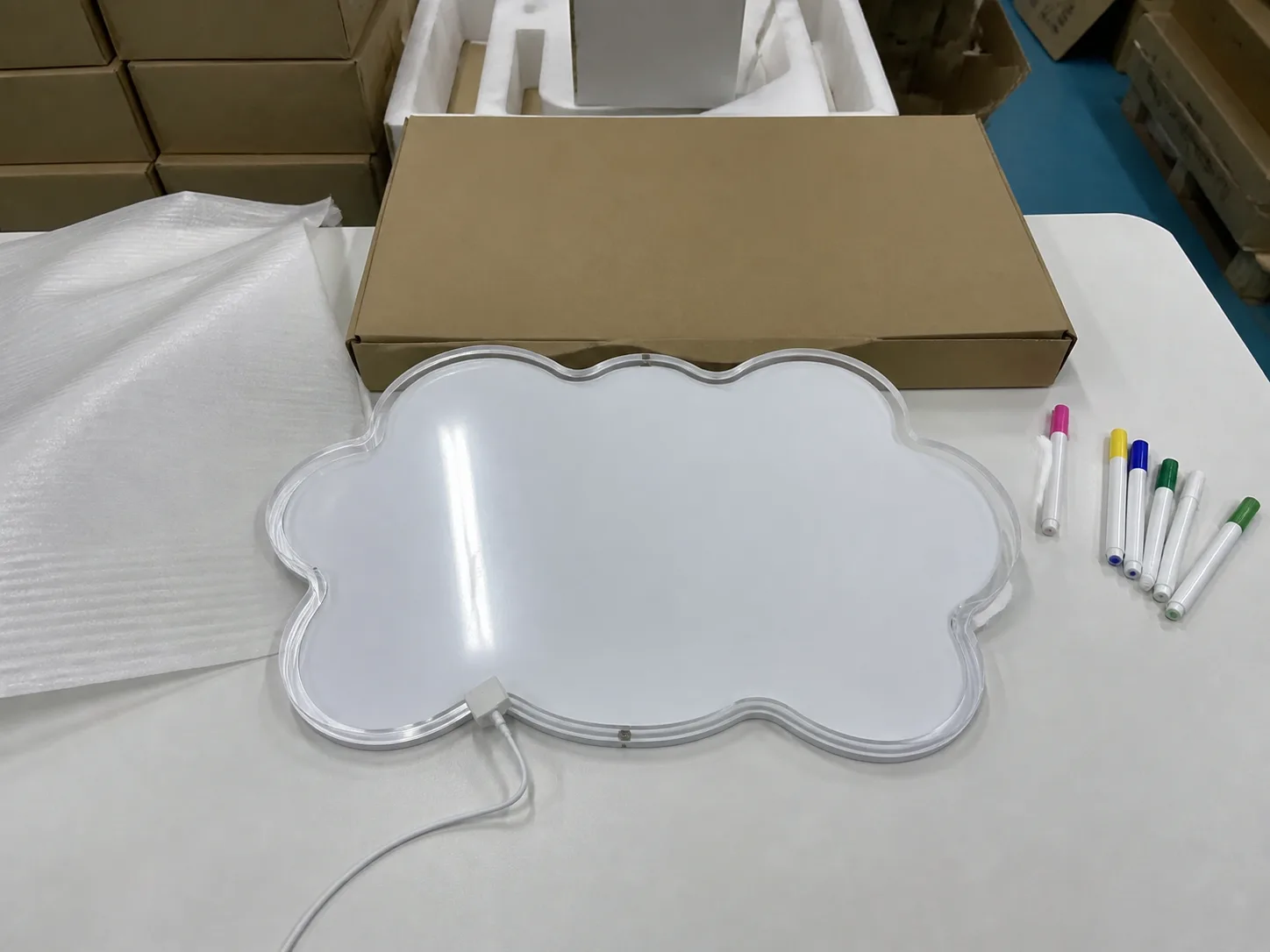
LED Drawing Board Sample Shipping Guide for Overseas Buyers
A B2B buying guide for importers, distributors, and product developers who need to prepare a sample shipment around an identified configuration, contents list, packing record, and review questions.
Read article
LED Drawing Board Import Order Handover Guide: From Approval to Shipment
A practical B2B guide for importers and sourcing teams who need to create an order handover record linking the approved sample, quotation, packing and shipment questions.
Read article