
LED Drawing Board HS Classification: Product Data Importers Should Prepare
The direct answer is to prepare a configuration-specific product description and evidence pack for qualified tariff-classification review, while avoiding copying a tariff code from a visually similar listing or treating a supplier suggestion as a binding customs decision.
1. Identify the complete product being imported
Start with the product as sold and imported: a shaped acrylic panel, LED base, power arrangement, marker set, inserts, and retail packaging may all affect the description that a broker reviews.
A tariff question cannot be answered reliably from the phrase “LED drawing board” alone. A buyer should describe the assembled use, principal materials, electrical components, included accessories, and whether the panel and base are supplied together. Record whether a given shipment contains one complete consumer set, replacement parts, display units, or a mixed assortment. The physical product and its commercial presentation are the starting point; a category name or marketplace title is not a classification analysis.
For each SKU, gather clear photographs of the panel, edges, base, controls, connector, supplied power items, markers, instructions, and retail pack. Add a simple component list that distinguishes included items from optional display accessories. Where a detail is unknown, mark it for confirmation rather than filling the blank with a familiar description. Keep the evidence tied to one version so a reviewer does not accidentally use photographs of a different shape, power option, or set configuration.
This distinction also helps a broker decide whether a shipment line needs a separate description or supporting note. Buyers should not split a set on paper simply because it contains several components; describe the commercial unit and ask how the destination handles it. Keep the product photograph and written description together so reviewers can identify the same item.
- List the assembled product and each component in the set.
- Identify material and function using observed or supplier-documented facts.
- Separate sellable contents from optional display equipment.
2. Collect material, function, and component facts
Classification preparation works best when the buyer can explain what the product does, what it is made from, and how each component contributes to its use.
An acrylic panel with light-guiding or illuminated presentation, a powered base, and drawing markers may combine different functions and materials. Do not assume that the most visible part, the word “toy,” or the word “board” determines how authorities classify the whole import. Describe how the product is used, whether it has an independent writing or drawing surface, what the lighting does, and whether it is sold as a set. A customs broker can decide which facts matter in the destination tariff system.
Useful supporting records can include product specifications, bills of materials when available, labeled component photographs, an instruction sheet, the commercial sample, and a concise explanation of normal operation. If an electrical component has a separate model or rating, record that from the actual label or current supplier document. This is descriptive preparation, not a substitute for a technical assessment or a final tariff opinion. In a LumDigi inquiry, buyers can identify the exact shaped LED board and request current product information for the version under review.
When technical details are supplier-held, ask for the current revision rather than copying a specification from an older product family. If the base is sold separately or a replacement panel is shipped alone, record that transaction separately. The imported configuration matters more than a broad family name when a reviewer assesses function and materials.
- Describe intended use in plain language.
- Record the major materials and each powered component separately.
- Attach current photographs and the relevant product reference.

3. Distinguish the international HS level from national tariff lines
The Harmonized System provides an international framework, while importing markets may extend it with national digits, notes, and measures; the destination authority or qualified broker must confirm the applicable line.
Buyers may encounter short HS headings, longer national tariff codes, and platform suggestions that look similar. Those are not interchangeable. A code used for an export declaration may not settle the importer’s national tariff classification, and a supplier’s historical entry may reflect another market, product construction, or ruling date. Do not put a guessed code into an order or catalog as if it were universally valid. Ask the broker which nomenclature and effective date apply to the destination and whether more product evidence is needed.
For U.S. imports, CBP describes a binding ruling route for prospective transactions and notes that a request should describe the merchandise in detail; a sample may be part of the review. Other markets provide their own tariff databases and advance-ruling processes. The correct next step depends on the country, import procedure, and product facts. Record the official source, date checked, responsible reviewer, and scope of any decision. If the product changes materially, ask whether the prior classification analysis still covers the revised configuration.
A national tariff schedule can contain explanatory notes and measures that are not visible in a short search snippet. Save the official source used and avoid circulating uncited code lists. If the authority publishes an advance decision, confirm the facts and scope match the intended order before relying on it.
- Name the importing country and tariff nomenclature.
- Do not equate a supplier's export code with a destination ruling.
- Retain the date, product scope, and authority or broker behind the conclusion.
4. Prepare a concise broker or customs inquiry
A useful broker brief joins product identity, construction, normal use, set contents, destination, and open questions in one version-controlled package.
Instead of forwarding a long email thread, create a one-page cover note. Identify the importer, destination, planned entry context, SKU, product revision, unit configuration, and requested decision. Attach the current sample photographs, contents list, material description, technical notes, package images, and any relevant prior ruling or broker advice. State whether accessories are packed together or separately and whether the shipment includes promotional or display items. That gives the broker a defined object to review and makes follow-up questions easier to answer.
Keep conclusions separate from source facts. A spreadsheet can use columns for claim, evidence, source, date, owner, and status. For example, “panel is acrylic” should point to an appropriate specification or supplier confirmation, while “classification confirmed” should point to the broker or authority record. This is especially important when an order includes several shapes or bundled items. Each record should identify which variants it covers. If the broker asks for a sample, document its SKU and revision before dispatch and after return or retention.
A concise pack should let a reviewer find the source of each statement quickly. Use filenames such as SKU, document type, revision, and date. Avoid attaching unrelated shapes or old artwork; excess material can obscure which product is actually under review and may generate avoidable follow-up questions.
- Give the reviewer a single SKU and destination scope.
- Label each attachment with revision and date.
- Separate verified product facts from the classification conclusion.
5. Use classification to inform a cost model carefully
Tariff research informs landed-cost planning, but a duty estimate also depends on destination rules, origin, customs value, trade measures, and the transaction facts.
Once a broker or official source provides a working classification, the buyer can use it to ask better landed-cost questions. Confirm the applicable duty basis, valuation inputs, currency conversion method, tax treatment, origin documentation, and any other market-specific charges with the importer’s customs and finance specialists. Do not use an online calculator as a final payable amount. Keep the source, review date, and assumptions beside the model so a purchasing team can update it when the product, origin, value, or destination changes.
For shaped LED drawing boards, product bundles can complicate a simple per-unit estimate: a set may contain the board, base, markers, power accessory, insert, and retail packaging. The commercial invoice and product record should describe the actual order consistently. If a quotation compares multiple configurations, calculate scenarios separately instead of blending them into a single number. LumDigi can clarify the product configuration and quote basis; the buyer’s customs broker determines the applicable classification and import-cost treatment.
Keep the financial model transparent: show customs value assumptions, freight, insurance, and taxes separately. The broker can explain what components enter the destination customs value. Finance teams can then compare scenarios without presenting a provisional duty estimate as a supplier price or guaranteed landed cost.
- Keep product, origin, value, and destination assumptions visible.
- Model distinct bundles or variants separately.
- Confirm duties and taxes with the responsible customs professional.
6. Revisit classification when the product changes
A prior tariff review is useful only to the extent it covers the product actually shipped; changes to materials, functions, contents, or market can require renewed review.
Change control should flag alterations that could affect the product description: a different panel material, a redesigned base, a new electrical component, a changed accessory set, or a bundle that adds a separate item. A cosmetic change may not matter to classification, but the buyer should let the qualified reviewer decide. Compare the approved sample and shipping version with the documents used for the original review. If they diverge, update the brief before issuing commercial paperwork rather than waiting for a customs query.
Keep the broker’s answer together with the exact evidence reviewed and any limits stated in the ruling. Record who approved the change, when it took effect, which purchase orders are affected, and whether marketplace or invoice descriptions need updating. Factory testing and shipment inspection can capture observations about the shipped configuration; neither activity independently determines customs treatment. This boundary makes the file more reliable and prevents a normal quality record from being presented as a tariff determination.
A change log should identify the prior sample and revised sample side by side. State what changed and ask the broker whether it affects the prior conclusion. This gives product and purchasing teams a clear control point before updated packaging or listing data reaches distributors.
- Trigger a review when product facts or destination scope change.
- Compare shipment configuration to the reviewed sample and documents.
- Archive advice with the precise version it covers.
7. Use a repeatable classification-preparation checklist
A repeatable brief reduces avoidable back-and-forth and keeps a classification decision tied to a real product, not an abstract keyword.
Before asking for an opinion, gather the product name and SKU, destination country, use description, major materials, powered-component details, included pieces, packaging, photographs, sample availability, and the buyer’s commercial question. Add the expected import date if relevant, since tariff rules and administrative guidance can change. Ask whether the reviewer needs a physical sample, technical drawing, or additional function description. The goal is to give a complete factual package—not to push a preferred heading or pressure a reviewer toward a desired duty result.
After receiving advice, review whether it is binding or informal, what jurisdiction it covers, which product facts it assumes, and whether it addresses the full set or only one component. Note any conditions and attach the authority reference. Share the resulting product description with procurement, freight, and documentation teams so they use a consistent name. Keep the actual tariff line in buyer-controlled customs records; avoid turning it into an unsupported public marketing claim.
A practical checklist can be shared with the supplier before sample shipment. Ask who will prepare the sample, what accessories are included, and whether the pack reflects the commercial offer. Record the sample tracking reference and retain photographs of the exact unit sent for review.
- Prepare factual product evidence before selecting a tariff line.
- Confirm scope, status, jurisdiction, and effective date of advice.
- Share the approved description with teams issuing trade documents.
8. Decide the next action before purchase release
The buyer can move forward when the product evidence is complete enough for qualified review and the import file clearly shows which questions remain open.
For a new board, the practical sequence is to identify the version, request current product information, assemble the broker brief, obtain destination-specific guidance, and update the project record. If a final answer is pending, mark the uncertainty in the landed-cost model and prevent a provisional code from being mistaken for approval. For repeat orders, compare the current version with the last reviewed configuration and confirm whether changes occurred. This avoids delays caused by conflicting descriptions in quotes, packs, and invoices.
A sourcing discussion with LumDigi can start with the destination, intended channel, selected board shape, power arrangement, set contents, and any buyer-owned packaging. Request a sample or current specification where needed. The supplier can support product fact collection and factory observations; tariff classification remains with the importer and its qualified customs resources. Use the inquiry page to send project requirements and the product questions that need supplier confirmation.
If you are evaluating multiple LumDigi shapes, provide one row per shape and distinguish shared components from shape-specific parts. That makes it easier to prepare accurate product descriptions and to ask which facts can be reused across the range and which need separate confirmation.
- Hold provisional tariff assumptions visibly.
- Confirm the exact configuration and evidence before the first shipment.
- Use an inquiry to resolve supplier-held product facts.
Frequently asked questions
Can I use a tariff code from another LED drawing board listing?
Treat it only as a research lead. Confirm the complete product, destination tariff system, current facts, and applicable official or broker guidance; a similar listing does not establish your product's classification.
What product information should I give a customs broker?
Provide destination, intended use, materials, component and power details, set contents, current photographs, SKU/version, package information, and sample availability. Ask which additional evidence the broker needs.
Does a supplier determine the import tariff classification?
A supplier can provide accurate product facts, but the importer should obtain destination-specific advice from the responsible customs authority or a qualified broker. In the United States, CBP offers a binding ruling process for prospective transactions.
Should classification be reviewed after a product change?
Yes, when a change may affect the facts used in the prior review. Send the updated configuration to the broker and confirm whether the existing advice still applies.
Image planning for this topic
These notes document the role and intended context of the two visuals used in this guide.
Show a buyer decision context for LED Drawing Board HS Classification: Product Data Importers Should Prepare.
- Placement
- hero
- Caption
- Configuration-specific evidence supports a clearer B2B buying decision.
- ALT text
- LED drawing board HS classification B2B buyer review
View AI image direction
Photorealistic documentary photograph for a LumDigi B2B article about LED Drawing Board HS Classification: Product Data Importers Should Prepare. A customs broker and overseas importer sit at a bright office table comparing a transparent acrylic LED drawing board, a labeled LED base, fluorescent markers, an unbranded component sheet and close-up product photographs; visible hands point to material details, no legible codes. Real acrylic texture, candid commercial setting, landscape composition, no readable logos, no certificates, no text overlay, no watermark.
Show practical factory or shipment-review context for LED Drawing Board HS Classification: Product Data Importers Should Prepare.
- Placement
- after-key-considerations
- Caption
- Factory observations should be recorded against the agreed configuration and defined scope.
- ALT text
- LED drawing board HS classification Chinese factory review
View AI image direction
Photorealistic documentary photograph for a LumDigi B2B article about LED Drawing Board HS Classification: Product Data Importers Should Prepare. A Chinese quality team on a real factory floor photographs an acrylic LED drawing board's panel, base connector, markers and retail contents beside a sample reference board, documenting product facts for an export buyer; five Chinese employees at work, natural warehouse daylight. Real acrylic texture, candid commercial setting, landscape composition, no readable logos, no certificates, no text overlay, no watermark.
Turn the article into a practical sourcing brief
Use the checkpoints above to document the product, evidence, packaging, and approval decisions relevant to your market. A clear brief helps suppliers respond to the same commercial question and gives your team a traceable basis for the next step.
Useful external references
- U.S. International Trade Administration: Harmonized System Codes
Official overview of HS classification and U.S. ruling resources.
- U.S. Customs and Border Protection: Binding Ruling Program
Explains how importers can request a binding pre-entry decision in the United States.
- GS1 Product Image Standard
Primary guidance for consistent product-image identification and digital assets.

LED Drawing Board Import Documentation Questions B2B Buyers Should Ask
A practical B2B guide for importers and commercial buyers preparing destination-market review who need to ask clearer product, supplier, and document questions while leaving legal, regulatory, testing, and market decisions to appropriately qualified parties.
Read article
LED Drawing Board Product Document Room Guide
A B2B buying guide for importers, sourcing managers, and private-label operations teams who need to maintain a controlled project file that names documents, versions, owners, purpose, and open questions.
Read article
LED Drawing Board SKU Master Data Guide
A practical B2B guide for retail operations and ecommerce teams who need to build SKU master data from the approved product, pack, image and quantity references.
Read article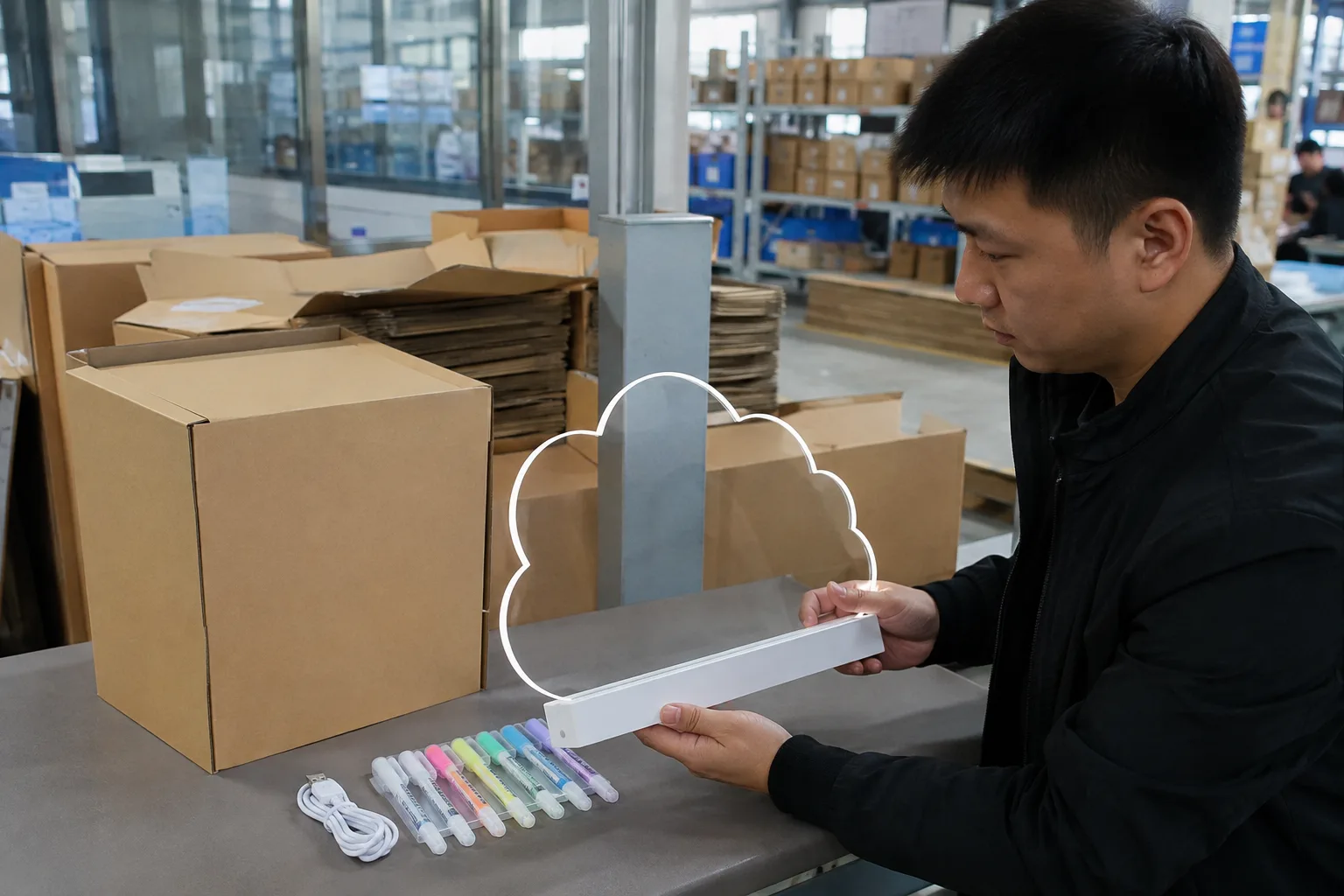
LED Drawing Board Multilingual Packaging Guide for Private Label
A B2B buying guide for private-label brands, importers, and packaging teams who need to review language versions against the approved product, packed set, artwork reference, and destination responsibilities.
Read article