How to Build a Reorder System for a Multi-Shape LED Drawing Board Range
The practical answer is to turn product-history records into a repeatable reorder process, while avoiding reordering from a vague product name or last price without confirming the current variant, packaging, change record, and channel requirement.
1. How to Build a Reorder System for a Multi-Shape LED Drawing Board Range: Define the commercial question
Give every shape, base, set, package, and language version a stable product code.
1.1 led drawing board reorder system multi shape range analysis 1: Give every shape, base, set, package, and language version a stable product code. For range planners, retail operations, and purchasing teams, the aim is to turn product-history records into a repeatable reorder process. Begin with the exact board, base, panel, light configuration, accessories, packaging, and commercial context that are actually being considered. A category label, rendered picture, or earlier quotation is not a substitute for a defined product schedule. Naming the configuration first makes the rest of the article useful for a real buying decision rather than a generic product search.
1.2 led drawing board reorder system multi shape range analysis 1: Put this checkpoint into a practical review sequence. Use a shared worksheet or release file so the supplier, buyer, packaging reviewer, and quality team work from the same current input. The central risk is reordering from a vague product name or last price without confirming the current variant, packaging, change record, and channel requirement. Ask for information in a form that can be compared—such as a coded specification, itemised quotation, current image, sample note, packing view, or question log—then state what the evidence does and does not establish. That keeps a sourcing discussion factual without overstating product performance, compliance, delivery, or commercial outcomes.
1.3 led drawing board reorder system multi shape range analysis 1: The most useful output is a short list of confirmed fields, pending supplier responses, supporting files, decision owner, and release condition. In a LumDigi project, a buyer can send the market, channel, preferred shape or format, quantity scenario, package objective, and unresolved questions to start a configuration-focused inquiry. The response should support the buyer's own review process and should not replace a required technical, legal, laboratory, freight, or market assessment. This is how a research article becomes a usable next-step brief.
- Record the exact LED drawing board reorder system configuration and decision context.
- Attach model-specific evidence or show the item as unresolved.
- Name the owner and release condition for the next sourcing step.
2. How to Build a Reorder System for a Multi-Shape LED Drawing Board Range: Create a comparable information set
Keep the last approved product schedule, artwork release, packed sample record, quotation, and shipment evidence together.
2.1 led drawing board reorder system multi shape range analysis 2: Keep the last approved product schedule, artwork release, packed sample record, quotation, and shipment evidence together. For range planners, retail operations, and purchasing teams, the aim is to turn product-history records into a repeatable reorder process. Begin with the exact board, base, panel, light configuration, accessories, packaging, and commercial context that are actually being considered. A category label, rendered picture, or earlier quotation is not a substitute for a defined product schedule. Naming the configuration first makes the rest of the article useful for a real buying decision rather than a generic product search.
2.2 led drawing board reorder system multi shape range analysis 2: Put this checkpoint into a practical review sequence. Do not fill a missing detail with a convenient assumption: an open item should remain visible until the appropriate owner closes it. The central risk is reordering from a vague product name or last price without confirming the current variant, packaging, change record, and channel requirement. Ask for information in a form that can be compared—such as a coded specification, itemised quotation, current image, sample note, packing view, or question log—then state what the evidence does and does not establish. That keeps a sourcing discussion factual without overstating product performance, compliance, delivery, or commercial outcomes.
2.3 led drawing board reorder system multi shape range analysis 2: A clear evidence file allows a team to compare suppliers, samples, quotations, or product listings without relying on a remembered conversation. In a LumDigi project, a buyer can send the market, channel, preferred shape or format, quantity scenario, package objective, and unresolved questions to start a configuration-focused inquiry. The response should support the buyer's own review process and should not replace a required technical, legal, laboratory, freight, or market assessment. This is how a research article becomes a usable next-step brief.
- Record the exact LED drawing board reorder system configuration and decision context.
- Attach model-specific evidence or show the item as unresolved.
- Name the owner and release condition for the next sourcing step.

3. How to Build a Reorder System for a Multi-Shape LED Drawing Board Range: Check the product configuration
Review current demand by shape and channel before assuming one variant can substitute for another.
3.1 led drawing board reorder system multi shape range analysis 3: Review current demand by shape and channel before assuming one variant can substitute for another. For range planners, retail operations, and purchasing teams, the aim is to turn product-history records into a repeatable reorder process. Begin with the exact board, base, panel, light configuration, accessories, packaging, and commercial context that are actually being considered. A category label, rendered picture, or earlier quotation is not a substitute for a defined product schedule. Naming the configuration first makes the rest of the article useful for a real buying decision rather than a generic product search.
3.2 led drawing board reorder system multi shape range analysis 3: Put this checkpoint into a practical review sequence. When an image or sample is used as evidence, label the configuration, date, and review purpose so it cannot be reused for another variant by accident. The central risk is reordering from a vague product name or last price without confirming the current variant, packaging, change record, and channel requirement. Ask for information in a form that can be compared—such as a coded specification, itemised quotation, current image, sample note, packing view, or question log—then state what the evidence does and does not establish. That keeps a sourcing discussion factual without overstating product performance, compliance, delivery, or commercial outcomes.
3.3 led drawing board reorder system multi shape range analysis 3: Where the product may reach more than one market, identify which questions need specialist review rather than making a global conclusion from a general guide. In a LumDigi project, a buyer can send the market, channel, preferred shape or format, quantity scenario, package objective, and unresolved questions to start a configuration-focused inquiry. The response should support the buyer's own review process and should not replace a required technical, legal, laboratory, freight, or market assessment. This is how a research article becomes a usable next-step brief.
- Record the exact LED drawing board reorder system configuration and decision context.
- Attach model-specific evidence or show the item as unresolved.
- Name the owner and release condition for the next sourcing step.
4. How to Build a Reorder System for a Multi-Shape LED Drawing Board Range: Ask for evidence before relying on a claim
Ask the supplier to state current scope, quantity basis, commercial terms, and proposed changes in a fresh quotation.
4.1 led drawing board reorder system multi shape range analysis 4: Ask the supplier to state current scope, quantity basis, commercial terms, and proposed changes in a fresh quotation. For range planners, retail operations, and purchasing teams, the aim is to turn product-history records into a repeatable reorder process. Begin with the exact board, base, panel, light configuration, accessories, packaging, and commercial context that are actually being considered. A category label, rendered picture, or earlier quotation is not a substitute for a defined product schedule. Naming the configuration first makes the rest of the article useful for a real buying decision rather than a generic product search.
4.2 led drawing board reorder system multi shape range analysis 4: Put this checkpoint into a practical review sequence. Keep commercial statements separate from factory observations, qualified technical review, and destination-market decisions. The central risk is reordering from a vague product name or last price without confirming the current variant, packaging, change record, and channel requirement. Ask for information in a form that can be compared—such as a coded specification, itemised quotation, current image, sample note, packing view, or question log—then state what the evidence does and does not establish. That keeps a sourcing discussion factual without overstating product performance, compliance, delivery, or commercial outcomes.
4.3 led drawing board reorder system multi shape range analysis 4: This approach prevents a decorative change from silently changing the item count, product description, packaging, or inspection basis. In a LumDigi project, a buyer can send the market, channel, preferred shape or format, quantity scenario, package objective, and unresolved questions to start a configuration-focused inquiry. The response should support the buyer's own review process and should not replace a required technical, legal, laboratory, freight, or market assessment. This is how a research article becomes a usable next-step brief.
- Record the exact LED drawing board reorder system configuration and decision context.
- Attach model-specific evidence or show the item as unresolved.
- Name the owner and release condition for the next sourcing step.
5. How to Build a Reorder System for a Multi-Shape LED Drawing Board Range: Plan the operating or retail consequence
Reopen appropriate product, artwork, package, or inspection evidence when the order or configuration changes.
5.1 led drawing board reorder system multi shape range analysis 5: Reopen appropriate product, artwork, package, or inspection evidence when the order or configuration changes. For range planners, retail operations, and purchasing teams, the aim is to turn product-history records into a repeatable reorder process. Begin with the exact board, base, panel, light configuration, accessories, packaging, and commercial context that are actually being considered. A category label, rendered picture, or earlier quotation is not a substitute for a defined product schedule. Naming the configuration first makes the rest of the article useful for a real buying decision rather than a generic product search.
5.2 led drawing board reorder system multi shape range analysis 5: Put this checkpoint into a practical review sequence. This is the point where factory testing, shipment inspection, product application, installation preparation, or customer requirements should be translated into a verifiable request. The central risk is reordering from a vague product name or last price without confirming the current variant, packaging, change record, and channel requirement. Ask for information in a form that can be compared—such as a coded specification, itemised quotation, current image, sample note, packing view, or question log—then state what the evidence does and does not establish. That keeps a sourcing discussion factual without overstating product performance, compliance, delivery, or commercial outcomes.
5.3 led drawing board reorder system multi shape range analysis 5: The order record should preserve both the selected configuration and the limits of the evidence collected at that stage. In a LumDigi project, a buyer can send the market, channel, preferred shape or format, quantity scenario, package objective, and unresolved questions to start a configuration-focused inquiry. The response should support the buyer's own review process and should not replace a required technical, legal, laboratory, freight, or market assessment. This is how a research article becomes a usable next-step brief.
- Record the exact LED drawing board reorder system configuration and decision context.
- Attach model-specific evidence or show the item as unresolved.
- Name the owner and release condition for the next sourcing step.
6. How to Build a Reorder System for a Multi-Shape LED Drawing Board Range: Document the decision and unresolved points
Record open questions and buyer decisions rather than allowing previous exceptions to become invisible assumptions.
6.1 led drawing board reorder system multi shape range analysis 6: Record open questions and buyer decisions rather than allowing previous exceptions to become invisible assumptions. For range planners, retail operations, and purchasing teams, the aim is to turn product-history records into a repeatable reorder process. Begin with the exact board, base, panel, light configuration, accessories, packaging, and commercial context that are actually being considered. A category label, rendered picture, or earlier quotation is not a substitute for a defined product schedule. Naming the configuration first makes the rest of the article useful for a real buying decision rather than a generic product search.
6.2 led drawing board reorder system multi shape range analysis 6: Put this checkpoint into a practical review sequence. A buyer gains more from a traceable decision than from a broad assurance because future artwork, packing, or reorder work can use the same record. The central risk is reordering from a vague product name or last price without confirming the current variant, packaging, change record, and channel requirement. Ask for information in a form that can be compared—such as a coded specification, itemised quotation, current image, sample note, packing view, or question log—then state what the evidence does and does not establish. That keeps a sourcing discussion factual without overstating product performance, compliance, delivery, or commercial outcomes.
6.3 led drawing board reorder system multi shape range analysis 6: For retail projects, the same discipline makes it easier to align the product page, packaging, catalogue images, and customer-facing information. In a LumDigi project, a buyer can send the market, channel, preferred shape or format, quantity scenario, package objective, and unresolved questions to start a configuration-focused inquiry. The response should support the buyer's own review process and should not replace a required technical, legal, laboratory, freight, or market assessment. This is how a research article becomes a usable next-step brief.
- Record the exact LED drawing board reorder system configuration and decision context.
- Attach model-specific evidence or show the item as unresolved.
- Name the owner and release condition for the next sourcing step.
7. How to Build a Reorder System for a Multi-Shape LED Drawing Board Range: Turn the result into a controlled next step
Publish a final reorder release sheet that operations, supplier, quality, and sales teams can use consistently.
7.1 led drawing board reorder system multi shape range analysis 7: Publish a final reorder release sheet that operations, supplier, quality, and sales teams can use consistently. For range planners, retail operations, and purchasing teams, the aim is to turn product-history records into a repeatable reorder process. Begin with the exact board, base, panel, light configuration, accessories, packaging, and commercial context that are actually being considered. A category label, rendered picture, or earlier quotation is not a substitute for a defined product schedule. Naming the configuration first makes the rest of the article useful for a real buying decision rather than a generic product search.
7.2 led drawing board reorder system multi shape range analysis 7: Put this checkpoint into a practical review sequence. Before the next action, compare the current document set with the actual product configuration and record any remaining differences in writing. The central risk is reordering from a vague product name or last price without confirming the current variant, packaging, change record, and channel requirement. Ask for information in a form that can be compared—such as a coded specification, itemised quotation, current image, sample note, packing view, or question log—then state what the evidence does and does not establish. That keeps a sourcing discussion factual without overstating product performance, compliance, delivery, or commercial outcomes.
7.3 led drawing board reorder system multi shape range analysis 7: A controlled release creates a practical handover for the next person and reduces the chance that a later change is mistaken for the original approval. In a LumDigi project, a buyer can send the market, channel, preferred shape or format, quantity scenario, package objective, and unresolved questions to start a configuration-focused inquiry. The response should support the buyer's own review process and should not replace a required technical, legal, laboratory, freight, or market assessment. This is how a research article becomes a usable next-step brief.
- Record the exact LED drawing board reorder system configuration and decision context.
- Attach model-specific evidence or show the item as unresolved.
- Name the owner and release condition for the next sourcing step.
Frequently asked questions
What should I prepare before acting on this LED drawing board reorder system guide?
Prepare the target market, sales channel, product code or preferred shape, set contents, quantity range, packaging direction, expected timing, and the specific evidence or commercial question you need answered.
Can a product photo or sample answer every sourcing question?
No. It can support a defined observation, but it should be tied to the exact configuration and reviewed alongside written specifications, set contents, packaging, commercial scope, and any specialist requirements.
How should a buyer handle a point that is not confirmed?
Keep it visible in a controlled list with the requested evidence, decision owner, and the condition that must be met before order release. Do not convert an open point into an assumed inclusion.
When should I contact LumDigi?
Contact LumDigi when you can share the product direction, market, quantity scenario, packaging or customization context, and open questions. The team can organize a configuration-focused B2B response.
Image planning for this topic
These notes document the role and intended context of the two visuals used in this guide.
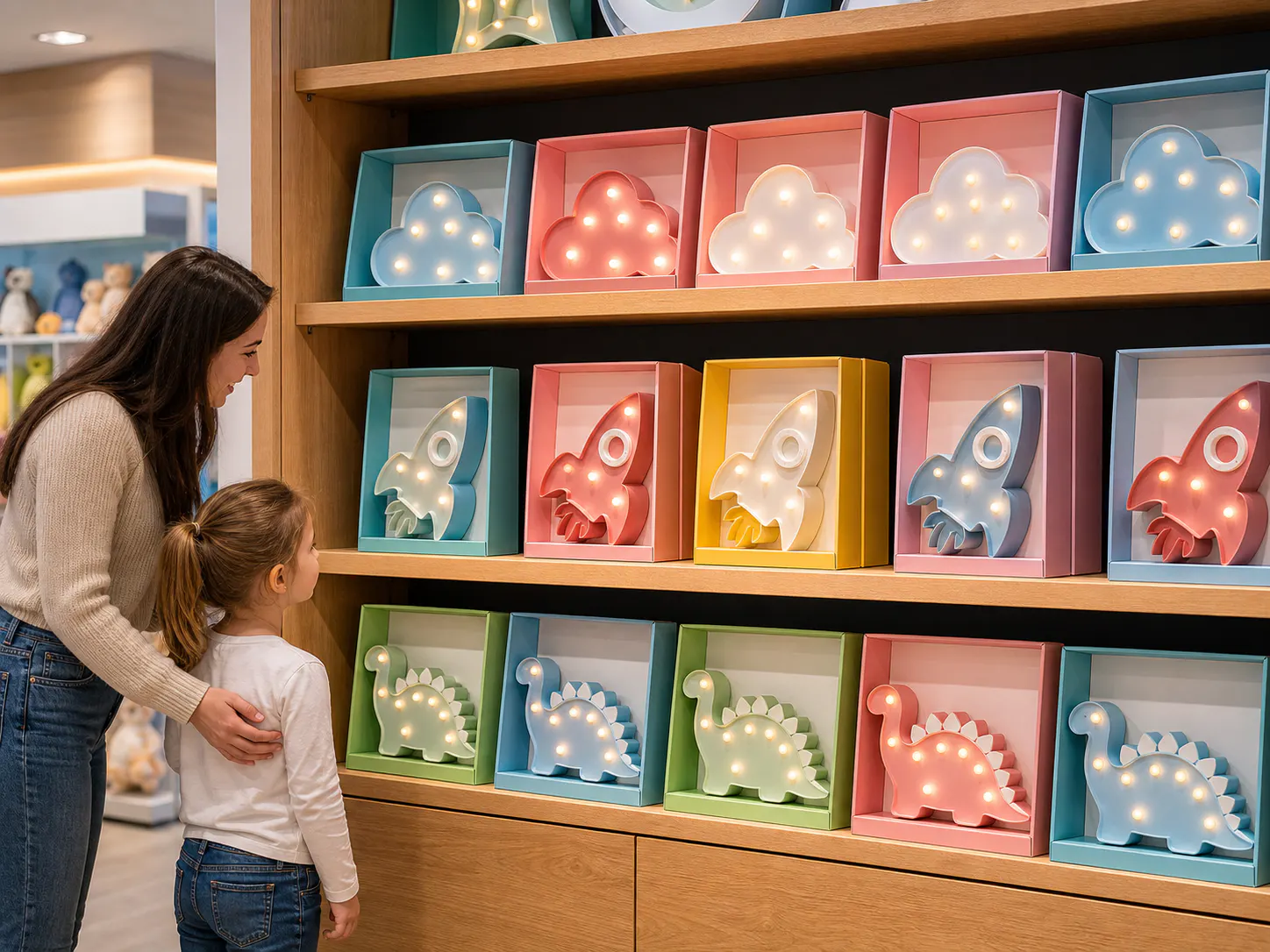
Show the exact product, set, or retail decision context for How to Build a Reorder System for a Multi-Shape LED Drawing Board Range.
- Placement
- hero
- Caption
- Product detail and set information help buyers make a configuration-specific decision.
- ALT text
- LED drawing board reorder system product detail and retail context
View AI image direction
Photorealistic editorial photography for the LumDigi B2B article 'How to Build a Reorder System for a Multi-Shape LED Drawing Board Range'. Show one or more shaped LED fluorescent acrylic drawing boards with their bases, compatible markers, retail packaging or product documents in a realistic professional sourcing or retail setting. Documentary detail, accurate transparent acrylic and illuminated edge lines, no competitor logos, no invented certification badges, no text overlay, no synthetic-looking skin or plastic, credible commercial photography.
Show a documentary-style factory, testing, packing, or shipment context for How to Build a Reorder System for a Multi-Shape LED Drawing Board Range.
- Placement
- after-key-considerations
- Caption
- Factory testing, packing, or shipment inspection should be tied to the exact configuration being reviewed.
- ALT text
- LED drawing board reorder system factory testing and shipment inspection context
View AI image direction
Photorealistic editorial photography for the LumDigi B2B article 'How to Build a Reorder System for a Multi-Shape LED Drawing Board Range'. Show Chinese production workers or inspectors handling shaped LED fluorescent acrylic drawing boards, panels, bases, markers, packaging, and order documents in a real clean factory setting. Include authentic work surfaces and natural industrial light. Documentary detail, accurate transparent acrylic and illuminated edge lines, no competitor logos, no invented certification badges, no text overlay, no synthetic-looking skin or plastic, credible commercial photography.
Turn the article into a practical sourcing brief
Use the checkpoints above to document the product, evidence, packaging, and approval decisions relevant to your market. A clear brief helps suppliers respond to the same commercial question and gives your team a traceable basis for the next step.
Useful external references
- GS1 Standards
A public source for product-identification and data-management standards.
- GS1 Product Image Standard
Primary guidance for consistent product-image identification and digital assets.
- CPSC business and manufacturing resources
Official U.S. business resource; destination-specific obligations need suitable qualified review.
LED Drawing Board Reorder Planning Guide for Retail Buyers
A practical B2B guide for retail and distribution teams replenishing a proven product line who need to make reorders more reliable by reconnecting current demand, the approved variant, packaging records, commercial inputs, and quality evidence before release.
Read articleHow to Build a Profitable LED Drawing Board Collection for Your Store
A B2B commercial planning guide for retail assortment planners: plan a collection that customers can understand and the business can source, display, and replenish.
Read article
LED Drawing Board Demand Forecast Assumption Guide
A B2B buying guide for retail buyers, distributors, and ecommerce planners who need to document the assumptions behind a product-level forecast, assortment plan, quantity scenario, and review date.
Read article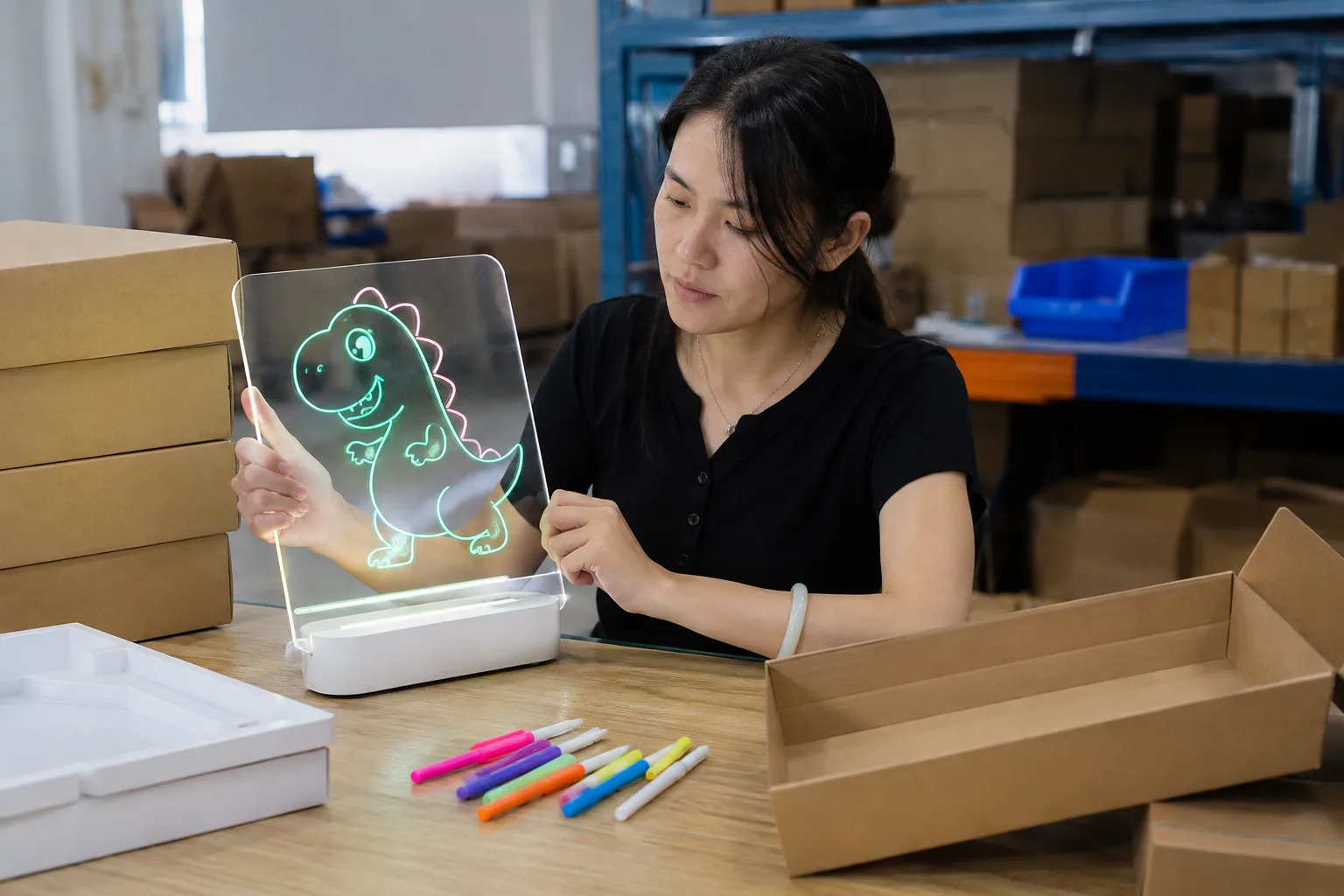
LED Drawing Board Supplier Onboarding Questionnaire for Buyers
A practical LumDigi guide for importers, distributors, and sourcing teams who need to use a configuration-focused onboarding questionnaire before comparing supplier responses or approving a project path.
Read article