LED Drawing Board Retail Display and Merchandising Guide for Buyers
The direct answer is to plan the retail display around the approved product set, safe product application, pack dimensions, and truthful consumer-facing information, while avoiding ordering a visually appealing light-up product without defining the display role, demonstration boundaries, product set, shelf space, or replenishment needs.
1. LED Drawing Board Retail Display and Merchandising Guide for Buyers: Define the commercial decision
define the retail setting, intended shopper, shelf or counter role, seasonal window, and whether the board is a boxed gift, a demo item, or both
led-drawing-board-retail-display-merchandising-guide guide point 1: Start with the commercial decision that the buyer must make. For specialty retailers, toy buyers, gift-store operators, and e-commerce-to-store brands, the useful question is not whether a light-up board looks attractive in a general photograph; it is whether the intended customer, channel, market, product application, and configuration support the next purchasing step. define the retail setting, intended shopper, shelf or counter role, seasonal window, and whether the board is a boxed gift, a demo item, or both Put that point in a named project record, because a supplier, packaging team, quality reviewer, and retail buyer cannot reliably act on a loose collection of images, messages, and verbal assumptions.
led-drawing-board-retail-display-merchandising-guide guide point 1: Convert the decision into evidence and ownership. Keep the sample, drawings, product photographs, pack proof, quotation version, factory testing notes, shipment inspection request, installation preparation, and customer requirements connected to the selected SKU. The main risk is ordering a visually appealing light-up product without defining the display role, demonstration boundaries, product set, shelf space, or replenishment needs. LumDigi can respond with configuration-focused product information for shaped LED fluorescent boards, while the buyer should assign market, legal, laboratory, freight, and commercial reviews to the appropriate qualified party. A concise unresolved-point log prevents a polished presentation from becoming an untraceable production instruction.
- Name the exact LED drawing board retail display merchandising configuration and intended channel.
- Request product-specific evidence, or record the item as unresolved.
- Assign an owner and a release condition for the next decision.
2. LED Drawing Board Retail Display and Merchandising Guide for Buyers: Lock the product configuration
record the approved board shape, lit appearance, base footprint, marker set, carton dimensions, included instructions, and any display-only components
led-drawing-board-retail-display-merchandising-guide guide point 2: Start with the commercial decision that the buyer must make. For specialty retailers, toy buyers, gift-store operators, and e-commerce-to-store brands, the useful question is not whether a light-up board looks attractive in a general photograph; it is whether the intended customer, channel, market, product application, and configuration support the next purchasing step. record the approved board shape, lit appearance, base footprint, marker set, carton dimensions, included instructions, and any display-only components Put that point in a named project record, because a supplier, packaging team, quality reviewer, and retail buyer cannot reliably act on a loose collection of images, messages, and verbal assumptions.
led-drawing-board-retail-display-merchandising-guide guide point 2: Convert the decision into evidence and ownership. Keep the sample, drawings, product photographs, pack proof, quotation version, factory testing notes, shipment inspection request, installation preparation, and customer requirements connected to the selected SKU. The main risk is ordering a visually appealing light-up product without defining the display role, demonstration boundaries, product set, shelf space, or replenishment needs. LumDigi can respond with configuration-focused product information for shaped LED fluorescent boards, while the buyer should assign market, legal, laboratory, freight, and commercial reviews to the appropriate qualified party. A concise unresolved-point log prevents a polished presentation from becoming an untraceable production instruction.
- Name the exact LED drawing board retail display merchandising configuration and intended channel.
- Request product-specific evidence, or record the item as unresolved.
- Assign an owner and a release condition for the next decision.
3. LED Drawing Board Retail Display and Merchandising Guide for Buyers: Set the evidence boundary
separate an attractive merchandising concept from the supplier evidence needed to confirm product contents, safe use information, and market-facing claims
led-drawing-board-retail-display-merchandising-guide guide point 3: Start with the commercial decision that the buyer must make. For specialty retailers, toy buyers, gift-store operators, and e-commerce-to-store brands, the useful question is not whether a light-up board looks attractive in a general photograph; it is whether the intended customer, channel, market, product application, and configuration support the next purchasing step. separate an attractive merchandising concept from the supplier evidence needed to confirm product contents, safe use information, and market-facing claims Put that point in a named project record, because a supplier, packaging team, quality reviewer, and retail buyer cannot reliably act on a loose collection of images, messages, and verbal assumptions.
led-drawing-board-retail-display-merchandising-guide guide point 3: Convert the decision into evidence and ownership. Keep the sample, drawings, product photographs, pack proof, quotation version, factory testing notes, shipment inspection request, installation preparation, and customer requirements connected to the selected SKU. The main risk is ordering a visually appealing light-up product without defining the display role, demonstration boundaries, product set, shelf space, or replenishment needs. LumDigi can respond with configuration-focused product information for shaped LED fluorescent boards, while the buyer should assign market, legal, laboratory, freight, and commercial reviews to the appropriate qualified party. A concise unresolved-point log prevents a polished presentation from becoming an untraceable production instruction.
- Name the exact LED drawing board retail display merchandising configuration and intended channel.
- Request product-specific evidence, or record the item as unresolved.
- Assign an owner and a release condition for the next decision.
4. LED Drawing Board Retail Display and Merchandising Guide for Buyers: Ask supplier-specific questions
request unlit and lit views, full set photos, pack measurements, display suggestions, and product-application notes tied to the proposed SKU
led-drawing-board-retail-display-merchandising-guide guide point 4: Start with the commercial decision that the buyer must make. For specialty retailers, toy buyers, gift-store operators, and e-commerce-to-store brands, the useful question is not whether a light-up board looks attractive in a general photograph; it is whether the intended customer, channel, market, product application, and configuration support the next purchasing step. request unlit and lit views, full set photos, pack measurements, display suggestions, and product-application notes tied to the proposed SKU Put that point in a named project record, because a supplier, packaging team, quality reviewer, and retail buyer cannot reliably act on a loose collection of images, messages, and verbal assumptions.
led-drawing-board-retail-display-merchandising-guide guide point 4: Convert the decision into evidence and ownership. Keep the sample, drawings, product photographs, pack proof, quotation version, factory testing notes, shipment inspection request, installation preparation, and customer requirements connected to the selected SKU. The main risk is ordering a visually appealing light-up product without defining the display role, demonstration boundaries, product set, shelf space, or replenishment needs. LumDigi can respond with configuration-focused product information for shaped LED fluorescent boards, while the buyer should assign market, legal, laboratory, freight, and commercial reviews to the appropriate qualified party. A concise unresolved-point log prevents a polished presentation from becoming an untraceable production instruction.
- Name the exact LED drawing board retail display merchandising configuration and intended channel.
- Request product-specific evidence, or record the item as unresolved.
- Assign an owner and a release condition for the next decision.
5. LED Drawing Board Retail Display and Merchandising Guide for Buyers: Review the sample or working proof
review a sample in the intended retail context to assess viewing distance, marker handling, wipe-clean steps, power arrangement, and pack-to-product consistency
led-drawing-board-retail-display-merchandising-guide guide point 5: Start with the commercial decision that the buyer must make. For specialty retailers, toy buyers, gift-store operators, and e-commerce-to-store brands, the useful question is not whether a light-up board looks attractive in a general photograph; it is whether the intended customer, channel, market, product application, and configuration support the next purchasing step. review a sample in the intended retail context to assess viewing distance, marker handling, wipe-clean steps, power arrangement, and pack-to-product consistency Put that point in a named project record, because a supplier, packaging team, quality reviewer, and retail buyer cannot reliably act on a loose collection of images, messages, and verbal assumptions.
led-drawing-board-retail-display-merchandising-guide guide point 5: Convert the decision into evidence and ownership. Keep the sample, drawings, product photographs, pack proof, quotation version, factory testing notes, shipment inspection request, installation preparation, and customer requirements connected to the selected SKU. The main risk is ordering a visually appealing light-up product without defining the display role, demonstration boundaries, product set, shelf space, or replenishment needs. LumDigi can respond with configuration-focused product information for shaped LED fluorescent boards, while the buyer should assign market, legal, laboratory, freight, and commercial reviews to the appropriate qualified party. A concise unresolved-point log prevents a polished presentation from becoming an untraceable production instruction.
- Name the exact LED drawing board retail display merchandising configuration and intended channel.
- Request product-specific evidence, or record the item as unresolved.
- Assign an owner and a release condition for the next decision.
6. LED Drawing Board Retail Display and Merchandising Guide for Buyers: Plan factory and shipment checks
plan factory testing and shipment inspection around the supplied unit, visible finish, illumination, set count, protective packing, and approved carton version
led-drawing-board-retail-display-merchandising-guide guide point 6: Start with the commercial decision that the buyer must make. For specialty retailers, toy buyers, gift-store operators, and e-commerce-to-store brands, the useful question is not whether a light-up board looks attractive in a general photograph; it is whether the intended customer, channel, market, product application, and configuration support the next purchasing step. plan factory testing and shipment inspection around the supplied unit, visible finish, illumination, set count, protective packing, and approved carton version Put that point in a named project record, because a supplier, packaging team, quality reviewer, and retail buyer cannot reliably act on a loose collection of images, messages, and verbal assumptions.
led-drawing-board-retail-display-merchandising-guide guide point 6: Convert the decision into evidence and ownership. Keep the sample, drawings, product photographs, pack proof, quotation version, factory testing notes, shipment inspection request, installation preparation, and customer requirements connected to the selected SKU. The main risk is ordering a visually appealing light-up product without defining the display role, demonstration boundaries, product set, shelf space, or replenishment needs. LumDigi can respond with configuration-focused product information for shaped LED fluorescent boards, while the buyer should assign market, legal, laboratory, freight, and commercial reviews to the appropriate qualified party. A concise unresolved-point log prevents a polished presentation from becoming an untraceable production instruction.
- Name the exact LED drawing board retail display merchandising configuration and intended channel.
- Request product-specific evidence, or record the item as unresolved.
- Assign an owner and a release condition for the next decision.
7. LED Drawing Board Retail Display and Merchandising Guide for Buyers: Prepare the channel-facing information
prepare product copy, shelf labels, marketplace images, and staff notes that distinguish the included product from optional retail display materials
led-drawing-board-retail-display-merchandising-guide guide point 7: Start with the commercial decision that the buyer must make. For specialty retailers, toy buyers, gift-store operators, and e-commerce-to-store brands, the useful question is not whether a light-up board looks attractive in a general photograph; it is whether the intended customer, channel, market, product application, and configuration support the next purchasing step. prepare product copy, shelf labels, marketplace images, and staff notes that distinguish the included product from optional retail display materials Put that point in a named project record, because a supplier, packaging team, quality reviewer, and retail buyer cannot reliably act on a loose collection of images, messages, and verbal assumptions.
led-drawing-board-retail-display-merchandising-guide guide point 7: Convert the decision into evidence and ownership. Keep the sample, drawings, product photographs, pack proof, quotation version, factory testing notes, shipment inspection request, installation preparation, and customer requirements connected to the selected SKU. The main risk is ordering a visually appealing light-up product without defining the display role, demonstration boundaries, product set, shelf space, or replenishment needs. LumDigi can respond with configuration-focused product information for shaped LED fluorescent boards, while the buyer should assign market, legal, laboratory, freight, and commercial reviews to the appropriate qualified party. A concise unresolved-point log prevents a polished presentation from becoming an untraceable production instruction.
- Name the exact LED drawing board retail display merchandising configuration and intended channel.
- Request product-specific evidence, or record the item as unresolved.
- Assign an owner and a release condition for the next decision.
8. LED Drawing Board Retail Display and Merchandising Guide for Buyers: Release the documented scope
approve the rollout only after product information, fixture assumptions, sample observations, and reorder identifiers point to the same SKU
led-drawing-board-retail-display-merchandising-guide guide point 8: Start with the commercial decision that the buyer must make. For specialty retailers, toy buyers, gift-store operators, and e-commerce-to-store brands, the useful question is not whether a light-up board looks attractive in a general photograph; it is whether the intended customer, channel, market, product application, and configuration support the next purchasing step. approve the rollout only after product information, fixture assumptions, sample observations, and reorder identifiers point to the same SKU Put that point in a named project record, because a supplier, packaging team, quality reviewer, and retail buyer cannot reliably act on a loose collection of images, messages, and verbal assumptions.
led-drawing-board-retail-display-merchandising-guide guide point 8: Convert the decision into evidence and ownership. Keep the sample, drawings, product photographs, pack proof, quotation version, factory testing notes, shipment inspection request, installation preparation, and customer requirements connected to the selected SKU. The main risk is ordering a visually appealing light-up product without defining the display role, demonstration boundaries, product set, shelf space, or replenishment needs. LumDigi can respond with configuration-focused product information for shaped LED fluorescent boards, while the buyer should assign market, legal, laboratory, freight, and commercial reviews to the appropriate qualified party. A concise unresolved-point log prevents a polished presentation from becoming an untraceable production instruction.
- Name the exact LED drawing board retail display merchandising configuration and intended channel.
- Request product-specific evidence, or record the item as unresolved.
- Assign an owner and a release condition for the next decision.
Frequently asked questions
What should be prepared for a LED drawing board retail display merchandising discussion?
Prepare the destination market, sales channel, selected shape or range direction, product set, quantity scenario, packaging objective, and the specific evidence or decision question. Mark unconfirmed details as open rather than assuming them.
Can a factory check replace market-specific review?
No. Factory testing or inspection can record defined observations about an agreed product configuration. It does not replace legal, regulatory, laboratory, freight, technical, or commercial review by the responsible qualified parties.
What should be retained before production is released?
Keep a controlled product schedule, approved sample or images, artwork and packing proofs, quotation version, inspection plan, supplier responses, and an open-point log that names the selected configuration and decision owner.
When should a buyer contact LumDigi?
Contact LumDigi once you can share your target market, channel, board direction, quantity, packaging or customization objective, and the sourcing questions that still need a configuration-specific response.
Image planning for this topic
These notes document the role and intended context of the two visuals used in this guide.
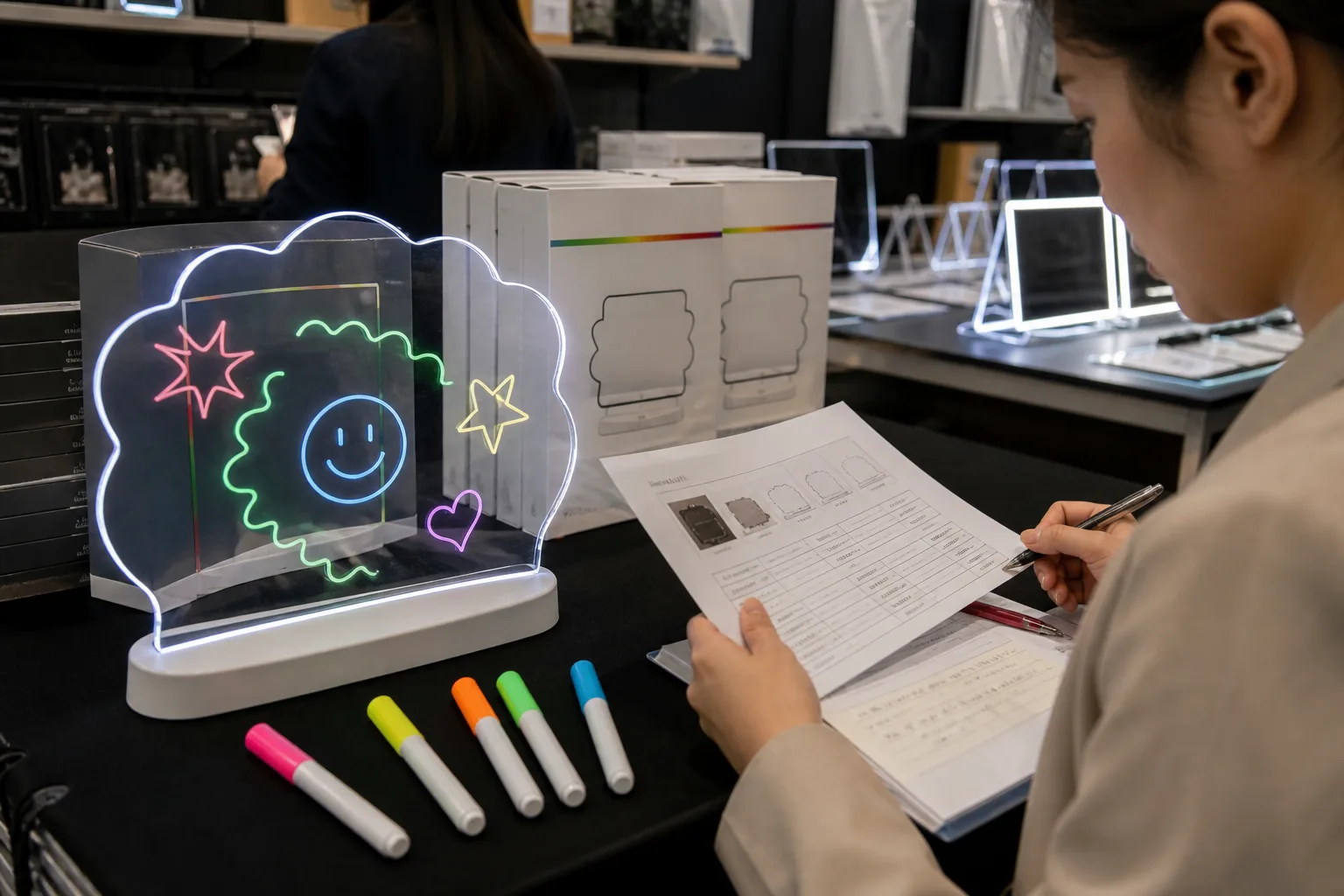
Show a realistic product and buyer-workflow context for LED Drawing Board Retail Display and Merchandising Guide for Buyers.
- Placement
- hero
- Caption
- A clear product context helps buyers compare the actual set before making a sourcing decision.
- ALT text
- LED drawing board retail display merchandising LED fluorescent drawing board buyer review
View AI image direction
Photorealistic documentary editorial photography for LumDigi B2B article 'LED Drawing Board Retail Display and Merchandising Guide for Buyers'. Show a shaped LED fluorescent acrylic drawing board with a base, fluorescent markers, retail packaging, and a professional buyer's printed sourcing brief in a credible retail, trade-show, or planning setting. Natural practical lighting, authentic transparent acrylic and subtle LED edge glow, realistic proportions, no readable invented logos, no certificates, no watermark, no text overlay, no synthetic-looking people or plastic.
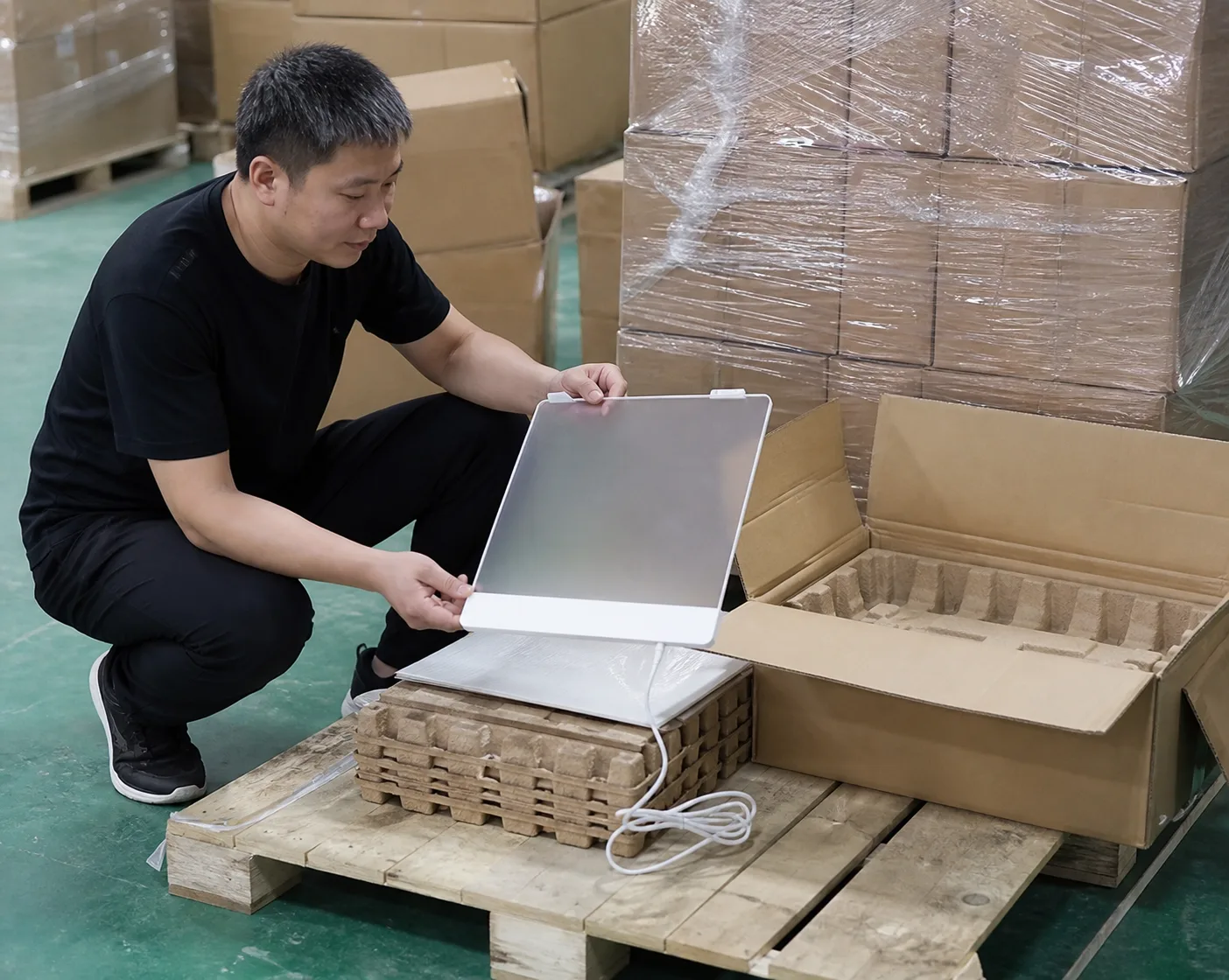
Document a realistic factory, packing, or quality-check context for LED Drawing Board Retail Display and Merchandising Guide for Buyers.
- Placement
- after-key-considerations
- Caption
- A documented factory observation should be tied to the approved configuration and inspection scope.
- ALT text
- LED drawing board retail display merchandising factory testing and packing review
View AI image direction
Photorealistic documentary editorial photography for LumDigi B2B article 'LED Drawing Board Retail Display and Merchandising Guide for Buyers'. Show several Asian production or quality-control workers in a clean Chinese LED fluorescent acrylic drawing-board factory, reviewing shaped acrylic panels, bases, markers, cartons, and a configuration checklist. Natural practical lighting, authentic transparent acrylic and subtle LED edge glow, realistic proportions, no readable invented logos, no certificates, no watermark, no text overlay, no synthetic-looking people or plastic.
Turn the article into a practical sourcing brief
Use the checkpoints above to document the product, evidence, packaging, and approval decisions relevant to your market. A clear brief helps suppliers respond to the same commercial question and gives your team a traceable basis for the next step.
Useful external references
- GS1 package and product measurement standard
A primary reference for consistent package and product measurement, useful when retail teams compare physical item data.
- GS1 standards
A primary source for product identification and data standards used across retail supply chains.
- GS1 Product Image Standard
Primary guidance for consistent product-image identification and digital assets.
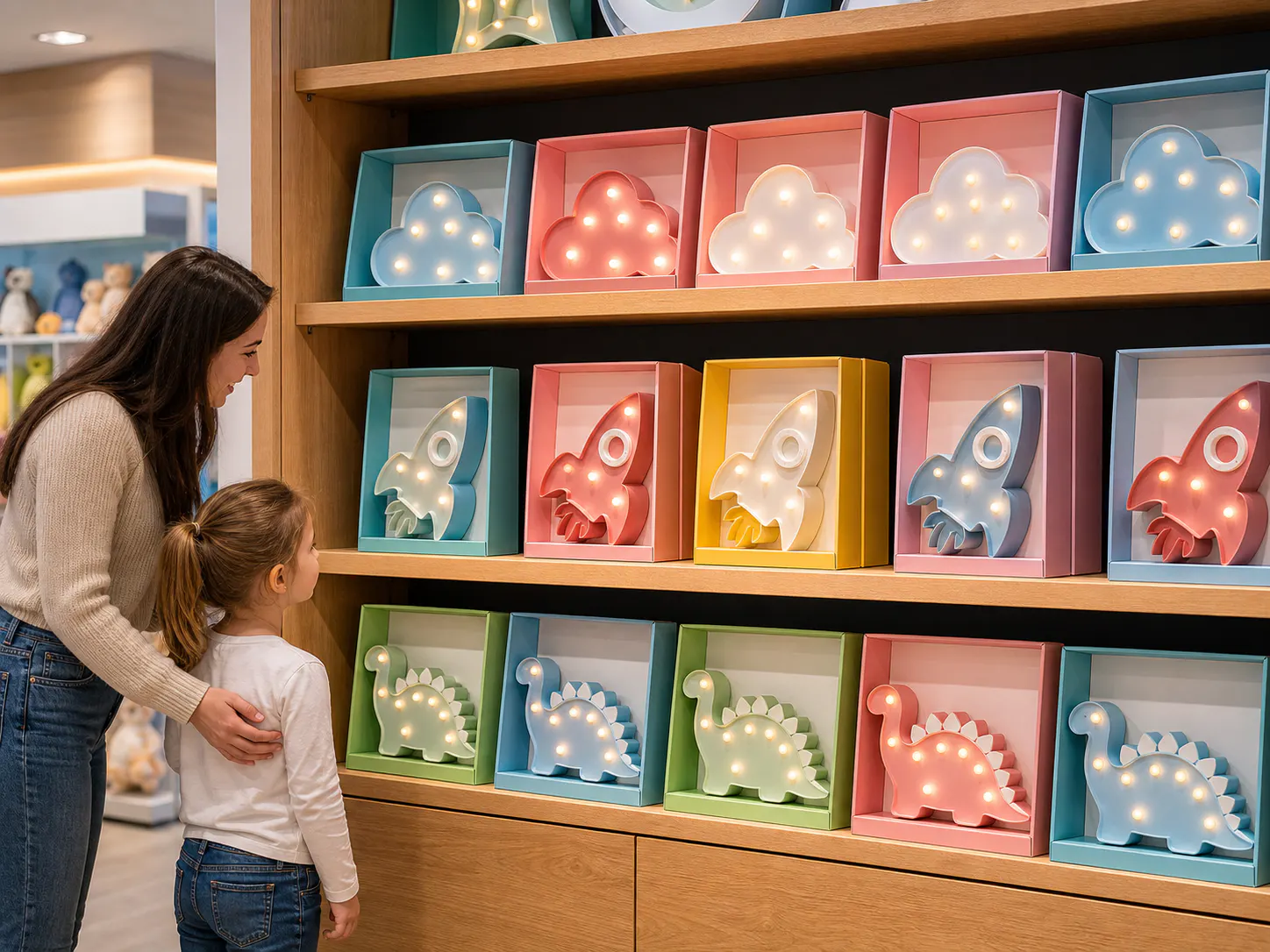
How to Build a Profitable LED Drawing Board Collection for Your Store
A B2B commercial planning guide for retail assortment planners: plan a collection that customers can understand and the business can source, display, and replenish.
Read article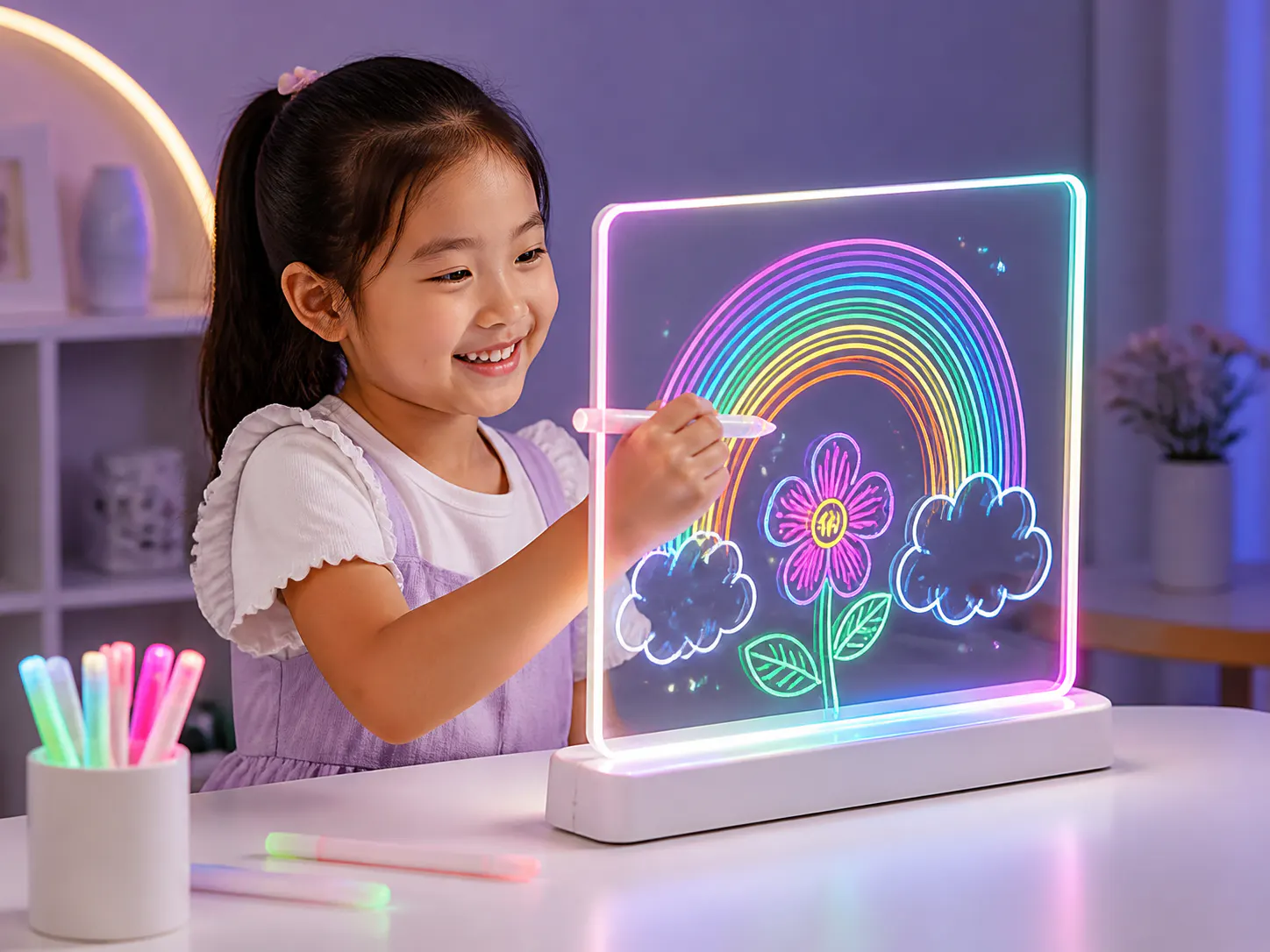
Which LED Drawing Board Features Matter Most for Marketplace Listings?
A B2B e-commerce research guide for e-commerce managers and retail content teams: select facts, images, and product attributes that match the listed configuration.
Read article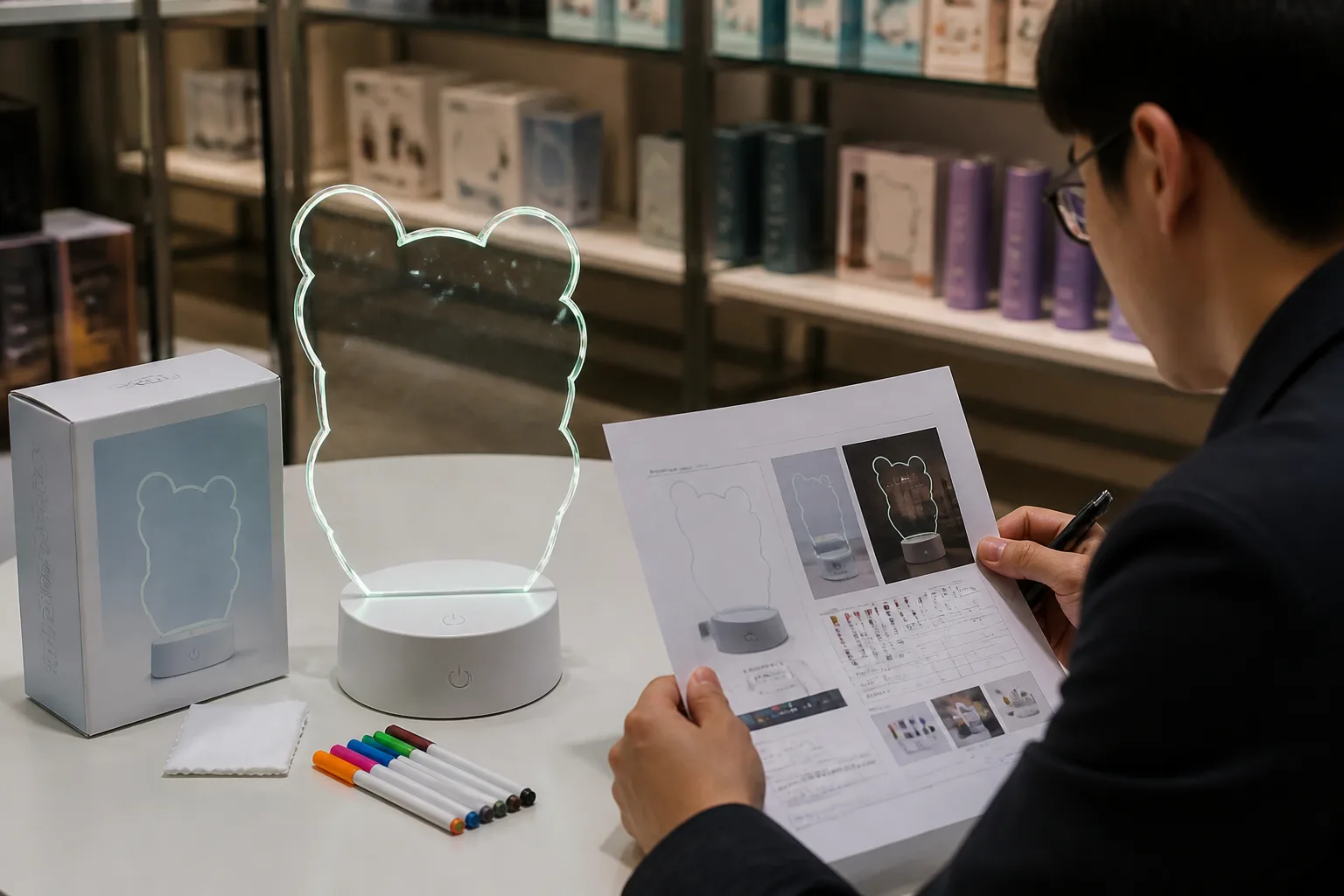
Corporate Gift LED Drawing Board Customization: A B2B Planning Guide
A B2B guide for corporate-gift buyers, promotional distributors, agencies, and private-label teams who need to turn a corporate-gift idea into a configuration-specific brief that can be sampled, quoted, reviewed, and packed consistently.
Read article
Private-Label LED Drawing Board Packaging: Questions for UK Importers
A B2B packaging and import planning research guide for UK importers, brand owners, and marketplace sellers: turn a private-label package concept into a documented product, artwork, contents, and responsibility review before placing an order.
Read article