
Malaysia MySAFE Toy COC: An Importer Workflow for LED Drawing Boards
The direct answer is to confirm which MySAFE activity applies to the intended supply or sample transaction, then align the tested configuration and supporting records, while avoiding treating a sample notification, a supplier test report, or a certificate declaration as interchangeable approval for every sale.
1. Start with the transaction, not the portal label
MySAFE lists distinct routes for supplying or importing toys, declaring conformity, and bringing in samples for demonstration or research. First write down who owns the goods, why they are entering Malaysia, and whether they are for sale.
The product name alone cannot select a MySAFE workflow. A buyer should map the legal product owner, the Malaysian entity, intended use, destination, and shipment purpose before opening an application. A sample sent for demonstration or R&D is operationally different from stock intended for retail. Write that distinction into the purchase or sample request so freight, warehouse, quality, and local compliance staff use the same description. Consult the official Malaysia resource alongside the exact product facts.
Describe the actual set: board silhouette and acrylic panel, LED base, power source, markers, accessories, retail packaging, intended age and marketing claims. If a USB adapter or battery is included, record its exact model and supplier rather than assuming it is a generic accessory. The Malaysian product owner can use these facts to ask the authority or qualified adviser a focused scope question.
A useful sample instruction names the consignee, declared purpose, quantity, and whether the sample will be returned, destroyed, retained, or used only in a controlled demonstration. Keep the instruction aligned with the actual customs description and the Malaysian owner's record.
Use a responsibility matrix with columns for product owner, Malaysian importer, manufacturer, laboratory, broker, and distributor. Assign each deliverable to one owner and avoid implying that the supplier owns an importer-only filing. Where parties share a task, record who makes the final decision and who keeps the evidence.
The commercial invoice, packing list, airway bill, sample request, and portal file should tell a consistent story. Resolve mismatches before dispatch; a vague item description can make later scope questions harder to answer.
- Name the Malaysian product owner and importing entity.
- Separate samples from saleable goods in the shipping plan.
- Record each component and the product presentation being reviewed.
2. Identify the business activity and responsible product owner
The MySAFE manual describes registration for businesses supplying, offering, advertising, or importing toys and primary batteries. Confirm the correct entity and activity in the current official portal before proceeding.
Treat registration as an owned company task, not a document the factory can complete on behalf of every buyer. Confirm the applicant name, local business details, who controls the product listing, and who will maintain the portal record. For a private-label order, identify whether the importer, brand owner, or another local product owner is the responsible applicant and have local counsel confirm the allocation where needed. Use an identified model such as the Cloud LED Fluorescent Board and confirm its current supplied configuration before applying this workflow.
Use a product-family table to avoid confusing one board model with an entire range. Give each shape and electrical configuration a row with a model reference, power arrangement, material description, accessories, packaging revision, and intended customer. This makes it easier to identify which information is common and which needs separate review. Do not claim that portal registration alone proves every unit or every variant meets the relevant requirements.
If the board is sold as a toy, identify the function and claims that support that presentation. If the seller describes it as a display or educational item, that description still requires honest review against how it is designed, marketed, and used; wording cannot by itself decide scope.
A model change review compares old and new panel geometry, base electronics, power source, marker formulation, pack contents, user instructions, and claims. The reviewer can then decide whether to update a file or seek additional testing; the factory should not determine regulatory impact from a cosmetic comparison.
When the board uses a separate adapter, list the adapter model and whether it is included, buyer-supplied, or optional. That detail helps the local reviewer decide if a separate electrical question should be assessed.
- Verify the current applicant and authorized contact.
- Keep product-family records model-specific.
- Do not use registration as a substitute for product conformity evidence.
3. Build the COC declaration from traceable evidence
MySAFE describes a COC declaration for toy businesses and states that covered goods should be tested by an accredited laboratory against the standards prescribed by the relevant regulations. Confirm the current prescribed standard and evidence with the Malaysian authority.
Evidence for the Malaysia review
A declaration should point to evidence for the product being supplied. Before submitting, reconcile the model name, photographs, material description, power source, accessories, packaging, applicable standard edition, test-report identifier, laboratory details, and report scope. A report for a similar-looking board or a different battery arrangement should not be silently attached to a new configuration. The product owner is responsible for confirming that the evidence supports its declaration.
Ask the supplier for factual technical information and an identified sample, not a promise that the product is approved. A factory can document the sample and explain the supplied configuration; it cannot decide the local regulatory route or represent that a report covers items it does not name. If a laboratory report is incomplete, ask the lab or local adviser what is required before making a declaration.
The product file should distinguish a laboratory test report, a supplier's internal check, a sample review, and a shipment inspection. Each has a different author, method, scope, and evidentiary value. Label documents accordingly so they are not casually substituted.
Before sample dispatch, confirm whether the purpose is conformity assessment, a buyer's review, demonstration, or research. The sample purpose influences declarations and expected disposition. A shipment containing several purposes should be discussed with the broker and local adviser instead of assigned a single generic description.
Keep translation review tied to final product images and instructions. A revised age range or new drawing activity can change the meaning of an existing warning even when the package layout is unchanged.
- Match report identity to the offered SKU and components.
- Check laboratory accreditation and report scope with the responsible party.
- Keep unsupported or unresolved fields open instead of inferring conformity.
4. Keep sample notification separate from commercial supply
The portal manual provides a notification path for toys or primary batteries imported for sampling, demonstration, or R&D. Ask the Malaysian authority which conditions apply to the planned sample and do not treat notification as a retail authorization.
A sample plan should identify quantity, purpose, recipient, onward use, and whether units will be sold, distributed, or left in a display. Put those facts on the pro-forma invoice and freight instructions consistently. A sample that later becomes saleable stock changes the transaction facts; do not rely on an earlier sample process to cover that change without checking with the local authority.
For buyer review, photograph the sample with its model card and all supplied pieces. Record whether the package is a prototype or proposed retail pack, which language is provisional, and what parts are not final. Ask the factory to retain a reference sample or controlled photographs so design, testing, and packaging discussions refer to the same version.
For private-label buyers, confirm who supplies the final Malaysian-language artwork and who signs off. The factory can place approved material into a dieline, but the brand owner should retain the final source file and approval record.
Maintain a dated source log showing which official portal pages, standards, and adviser comments were consulted. Include the product facts used in the analysis and the date of review. This makes future refreshes easier when standards or portal steps change.
Record sample findings as observable facts: fit, illumination response under the agreed setup, surface condition, supplied contents, and package arrangement. Avoid turning a brief review into an unsupported durability or safety claim.
- State sample purpose consistently across documents.
- Separate display/sample stock from commercial inventory.
- Retain sample identity, configuration, and disposition records.
5. Prepare an evidence file that survives a handover
Keep the portal record, product facts, laboratory evidence, sample references, artwork, and shipment documents connected by one model and revision. This reduces confusion when a distributor or broker joins after the initial review.
A practical file index includes applicant and product-owner details, product description, intended channel, sample photos, component list, test report, packaging proof, COC record, portal correspondence, and shipment references. Track an owner, version, date, and status for each item. If a file is supplied by a third party, note its source and the person who confirmed it applies to this set.
For supplier communication, ask for a controlled specification and a packing list that distinguishes included pieces from optional accessories. The approved sample should show the clear panel, base, cable or battery compartment, marker set, and the retail package. A shipment inspection can compare the order to those references, but it cannot replace local regulatory assessment or laboratory work.
Check whether the MySAFE workflow or prescribed standard has changed before each new launch. A prior import or a competitor's package is not proof that the current model and transaction follow the same route.
A factory review can verify that a production file references an approved sample and a current artwork revision. It cannot prove that the Malaysian product owner's declaration is complete. State both functions separately in the project plan.
If the official page is unclear, provide a concise question with model photos, intended use, component list, and transaction purpose. A focused enquiry is more useful than asking whether all LED boards are approved.
- Use one revision-controlled product record.
- Track document owner and evidence status.
- Keep supplier observations separate from legal conclusions.
6. Connect artwork, sample and production release
Do not release final Malaysian packaging until the responsible local reviewer has approved claims and required information for the actual product. Compare the production proof with the accepted sample and the product file.
Packaging review should include the board image, shape, included markers, power description, age presentation, warnings and responsible business information as applicable. Use an artwork checklist that references the applicable Malaysian requirements rather than copying text from another product. A translated phrase may be accurate in isolation but misleading if the picture shows a different board or a power item that is not supplied.
When factory production starts, pass the approved configuration ID and artwork version to production and inspection. Record any substitution, such as a different base, cable, marker set or carton insert, and ask the product owner whether that change affects the local file. Sampling and shipment checks should report observations against an agreed checklist, not state a broad compliance result.
An order handover should include a single current product identifier, sample reference, package version, test evidence index, open issues, and release owner. This is more reliable than forwarding a long email chain without identifying which decision remains unresolved.
For retail launch, check that online photos, carton images, and packed units show the same shape and supplied parts. If marketing shows an optional accessory or sample-only carton, label it clearly so the buyer's consumer offer remains accurate.
Training sales and warehouse staff on the approved SKU record reduces accidental mixing of variants. A small product family can still include materially different power arrangements and package versions.
- Approve final proof against the sample, not a draft rendering.
- Control any component or artwork change.
- Define what factory and pre-shipment checks actually observe.
7. Practical MySAFE questions for a supplier and local adviser
Use supplier questions to establish product facts and use local regulatory questions to decide Malaysian obligations. This keeps responsibilities clear and makes an enquiry more actionable.
Ask the factory for model identity, materials, power configuration, full contents, sample photographs, packaging revision, and available laboratory records. Ask the Malaysian product owner or adviser which prescribed standards apply, whether a COC declaration is required for the exact transaction, what sample notification entails, and what should appear on local packaging. Request a written answer with the source or portal instruction referenced.
These questions are especially useful when changing the board shape, electrical configuration, age statement, product claim, or intended channel. Open a new review if facts change rather than automatically carrying a prior conclusion to a new version. This guide is informational, not legal advice; current Malaysian requirements must be checked with KPDN and a qualified local professional.
If a local reviewer asks for additional information, record the request exactly and ask the factory only for fields it can substantiate. Escalate questions about scope, legal status, or acceptable evidence to the Malaysian product owner or qualified adviser.
At reorder, check business registration status, product-file revisions, supplier changes, and current portal instructions. Do not assume a prior COC workflow automatically covers a newly named applicant or materially changed configuration.
Use a final checklist that records not only completion but also the authority or adviser who confirmed the route, the source consulted, and any assumptions that remain.
MySAFE planning works best when the Malaysian product owner chooses the correct business activity and transaction path, then ties each declaration to evidence for the exact board configuration. Keep sample handling distinct from saleable imports, and verify current instructions directly before release.
- Ask the supplier for facts and evidence, not regulatory guarantees.
- Ask the local adviser to confirm scope and filing responsibilities.
- Reopen the review after material changes.
Frequently asked questions
Does every LED drawing board need a MySAFE COC?
Do not infer that from the product name alone. Confirm whether the exact toy and transaction fall under current Malaysian requirements with KPDN or a qualified local adviser.
Can a sample notification authorize commercial retail stock?
No. A sample or demonstration route is distinct from commercial supply. Confirm the permitted purpose and disposition with the Malaysian authority.
What should an importer request from the factory?
Request the identified model, full component list, sample photos, power details, packaging revision, and relevant test-report scope. The importer owns the local filing decision.
Can a factory inspection replace accredited laboratory testing?
No. A factory check records defined observations. It does not replace the testing and evidence required by the applicable Malaysian route.
Image planning for this topic
These notes document the role and intended context of the two visuals used in this guide.
Show a buyer decision context for Malaysia MySAFE Toy COC: An Importer Workflow for LED Drawing Boards.
- Placement
- hero
- Caption
- Illustrative AI-generated photograph: A Malaysian product owner maps a toy COC workflow to the exact board configuration and planned transaction.
- ALT text
- Malaysian importer reviewing a shaped LED drawing board and toy COC checklist
View AI image direction
Photorealistic editorial business photograph in a Kuala Lumpur product compliance office: an adult Malaysian importer reviews a cloud-shaped transparent acrylic LED fluorescent drawing board with subtle glowing multicolour marker doodles and a slim LED base, plain folder, and laptop showing a neutral blurred interface. All document text is unreadable. Natural daylight, candid commercial photography, realistic acrylic reflections, landscape 3:2. No logos, government marks, certificates, readable text, watermark, or text overlay.
Show practical factory or shipment-review context for Malaysia MySAFE Toy COC: An Importer Workflow for LED Drawing Boards.
- Placement
- after-second-section
- Caption
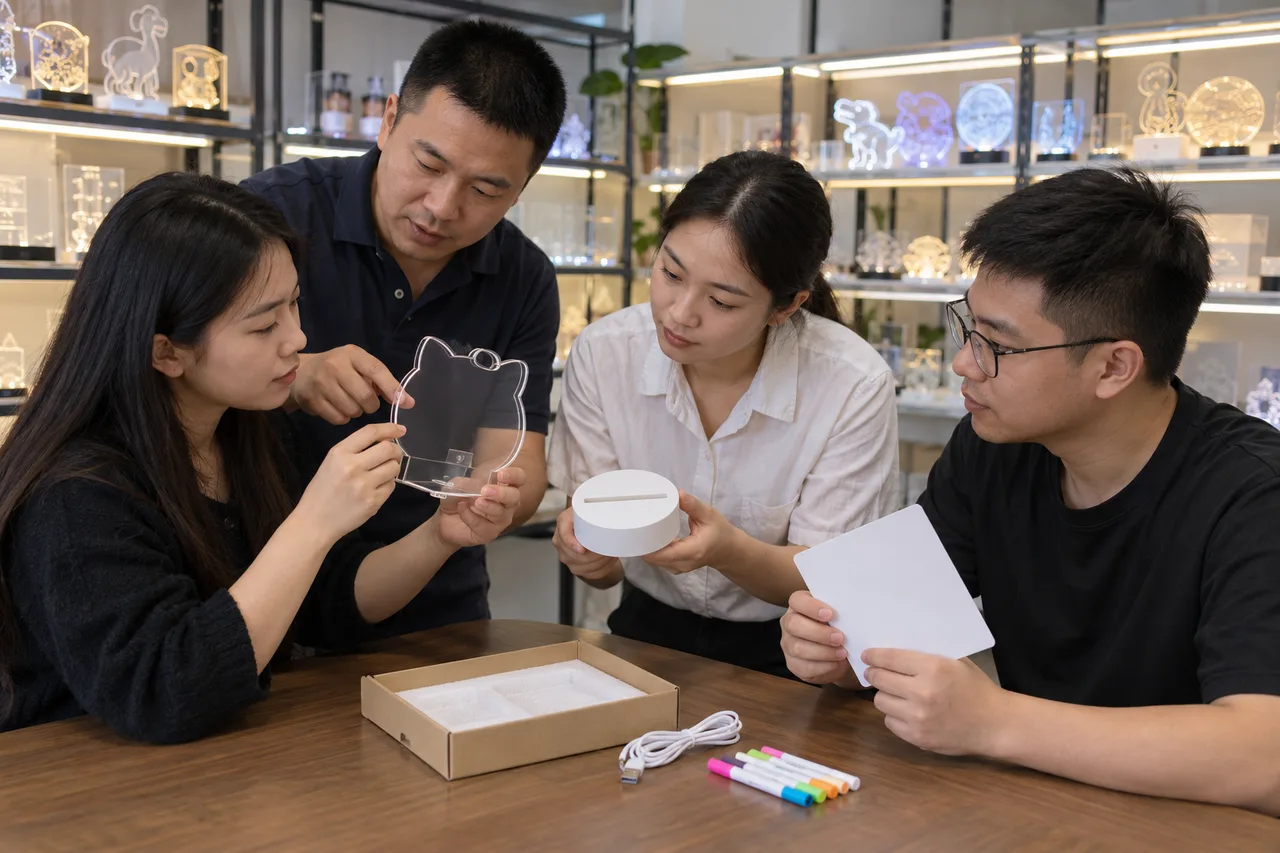
- Illustrative AI-generated photograph: Chinese factory staff identify the board, power source and accessories documented for a Malaysia-bound buyer sample.
- ALT text
- Chinese factory staff documenting a shaped LED drawing board sample for export review
View AI image direction
Photorealistic documentary photograph for a LumDigi B2B article about Malaysia MySAFE Toy COC: An Importer Workflow for LED Drawing Boards. Photorealistic documentary photograph in a Chinese factory sample room: Chinese/Asian adult employees identify a shaped acrylic LED drawing board, base, USB cable, fluorescent markers, and a plain unbranded sample card for an overseas buyer. Candid practical teamwork, natural factory light, real materials, landscape 3:2. No readable text, invented test result, logos, certification marks, watermark, or overlay. Real acrylic texture, candid commercial setting, landscape composition, no readable logos, no certificates, no text overlay, no watermark.
Turn the article into a practical sourcing brief
Use the checkpoints above to document the product, evidence, packaging, and approval decisions relevant to your market. A clear brief helps suppliers respond to the same commercial question and gives your team a traceable basis for the next step.
Useful external references
- Malaysia mySAFE: Consumer Product Safety Portal
Official Malaysian consumer product safety portal and business resources.
- Malaysia mySAFE user manual
Official portal manual describing business activities, COC declaration, sample notification, and clarification workflows.
- Malaysia: List of Safety Standards for Toys
Official reference list of toy safety standards; verify the current applicable rule and standard with the responsible Malaysian authority.

Importer-to-Customs-Broker Product Data Handover for LED Drawing Boards
A B2B buying guide for importers, customs brokers, and sourcing managers who need to send one version-controlled product and shipment packet that answers the broker's questions and identifies open decisions.
Read article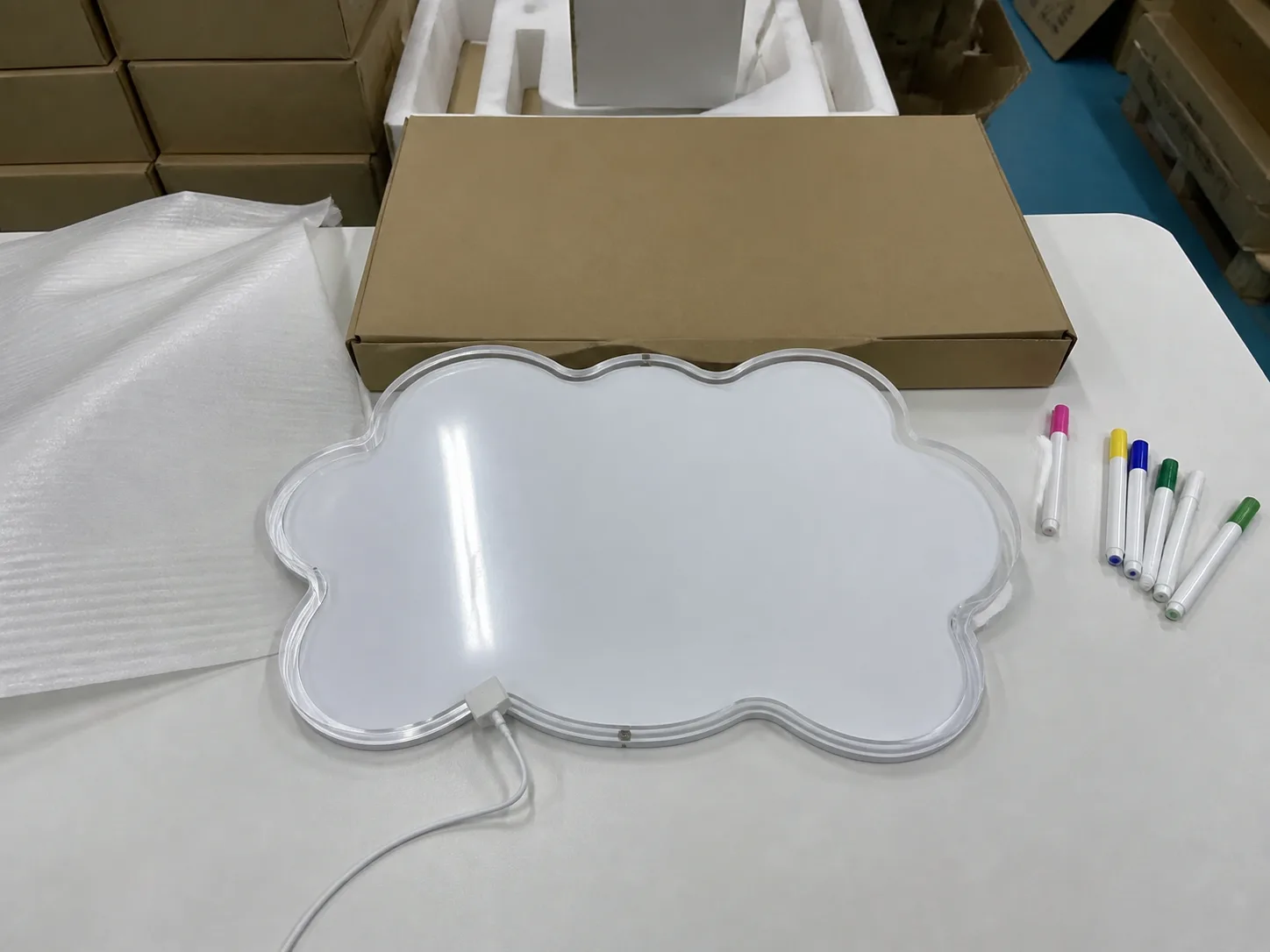
LED Drawing Board Sample Shipping Guide for Overseas Buyers
A B2B buying guide for importers, distributors, and product developers who need to prepare a sample shipment around an identified configuration, contents list, packing record, and review questions.
Read article
LED Drawing Board Buyer Documentation Checklist for Market Review
A practical B2B guide for importers and compliance coordinators who need to organize product information and questions for the buyer's own market review and qualified advisors.
Read article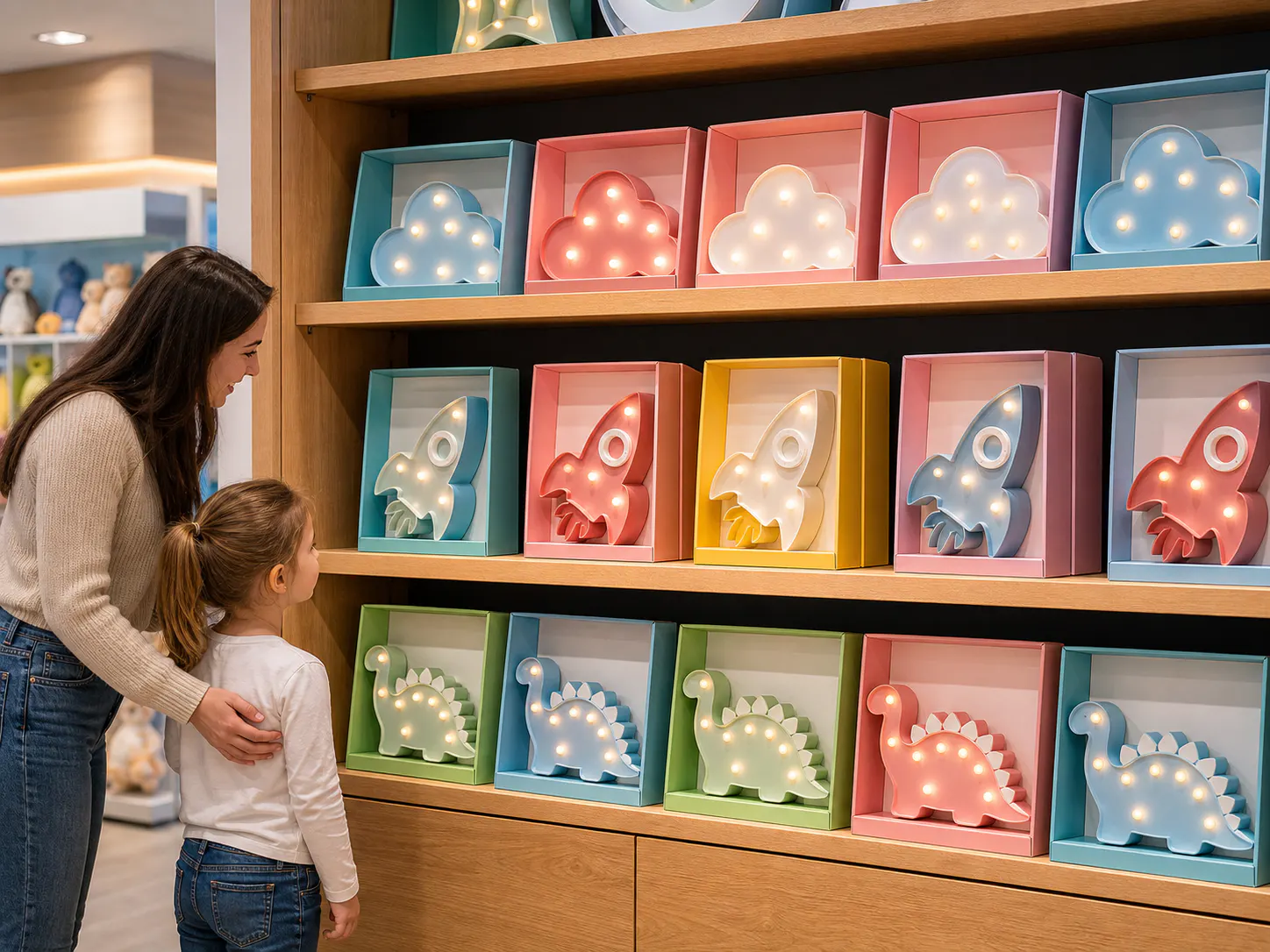
How to Build a Profitable LED Drawing Board Collection for Your Store
A B2B commercial planning guide for retail assortment planners: plan a collection that customers can understand and the business can source, display, and replenish.
Read article