Mexico NOM-015 Toy Labeling for LED Drawing Board Importers: A 2026 Review Guide
The direct answer is to confirm the applicable Mexican route for the exact marketed set, then release a version-controlled Spanish package, while avoiding treating a generic translation or a narrow customs exception as blanket approval of every toy label.
1. Start with intended use and commercial presentation
NOM-015-SCFI-2007 addresses commercial information and labeling for toys, but the name LED drawing board alone does not decide whether a particular set is a toy. Review intended play use, age presentation, markers, accessories, package claims, and the final retail configuration with a qualified Mexican adviser.
Start with one product record rather than a family name. Identify the board shape, acrylic panel, LED base, power method, markers, accessories, instruction insert, and retail package that the Mexican customer will receive. Keep dated sample photographs and the current listing description with the artwork. If a board is presented as a children's drawing or play product, that is relevant context for review; it is not a substitute for applying the standard's actual scope and definitions.
The importer should own the scope decision because it controls the Mexican offer and local presentation. Ask a specialist to review the complete set and claims, including whether optional adapters or batteries alter the product description. Supplier documents establish configuration facts and package contents, but cannot certify the legal classification. Record the reviewer's conclusion, source and date, open questions, and the person authorizing Spanish artwork release.
Keep a record of how the product is described on packaging, advertising, and intended channels. A change in claim or age presentation may affect review, so provide the complete offer to the adviser.
A useful scope memo states why the buyer considers the product a toy, what facts were reviewed, and whether a specialist confirmed the view. Include marketed age, artwork, instructions, and accessories. This makes later changes visible and prevents a buyer from reusing a conclusion after the product evolves from a simple drawing surface into a materially different play set.
- Identify the exact retail set, not just the board silhouette.
- Preserve intended-use, age, and claim language submitted for review.
- Document who made the scope decision and which evidence was used.
2. Treat Spanish artwork as controlled product information
For an in-scope toy, coordinate Spanish commercial information with the applicable NOM text and current Mexican guidance. Translate the real package and instructions, then compare the printed proof with the approved sample; do not assume a Spanish sticker alone completes the review.
Map each required statement to an exact location: carton, insert, product label, or another permitted presentation. Have a fluent reviewer check meaning, not only spelling. Product identity, materials, age statements, warnings, power descriptions, and responsible business details should match the product file and Mexican distribution plan. Do not copy a field from another supplier's package before checking applicability. For online sales, review the image text and product page with the physical pack.
Keep language and engineering review connected. If the product changes from USB power to batteries, a marker changes, or the age claim is revised, previous text may no longer describe the set. Maintain a source-language master, Spanish translation, reviewer comments, dated artwork PDF, approval record, and production proof. Ask the supplier to identify the package revision quoted and hold printing until the buyer approves the final proof.
Check NOM text and later notices directly before each launch. This workflow does not reproduce every legal requirement or decide whether a particular package complies.
Spanish review should cover meaning, legibility, and placement. A correct sentence may be unusable if a fold hides it or print is too small. Send reviewers the dieline and carton dimensions, not extracted text alone. Retain comments and the approved proof so production cannot select an obsolete file by mistake.
- Build a field-by-field artwork checklist against current official requirements.
- Use a qualified Spanish reviewer familiar with the destination market.
- Tie approved wording to the shipped configuration and revision.

3. Read the 2026 customs annex narrowly
A January 2026 Diario Oficial annex contains a limited exception in a customs-procedure context for certain manufacturer-name and address details. Do not treat it as a general amendment waiving NOM-015, importer information, Spanish labeling, or all consumer-facing duties.
When a recent annex appears to conflict with an established checklist, separate the customs transaction question from the retail compliance question. Record the annex title, date, exact provision, affected importer or procedure, and precise field it addresses. Ask Mexican customs or product-compliance counsel whether the facts qualify. A narrow import-facilitation exception cannot safely be generalized to every product, importer, or packaging field.
Keep two decisions visible: information required for the import entry and information required on the consumer product under applicable rules. Do not remove a field from artwork based on a headline or secondary summary. Obtain written, product- and transaction-specific advice and archive it with the final artwork. If the supply route, seller, or package changes, reopen the analysis rather than relying on a prior exception.
The customs annex should be interpreted by Mexican counsel against the exact import process. Do not use it to remove unrelated fields or claim general exemption from a standard.
For the customs provision, ask counsel to identify the field and transaction it addresses, any qualifying importer status, and evidence needed to rely on it. A note that says only 2026 exception is not support for deleting information. Keep customs-entry analysis separate from consumer-pack review, with distinct owners.
- Save the annex and exact provision relied upon.
- Separate customs documentation from retail-package obligations.
- Do not extend an exception beyond its stated parties, field, or transaction.
4. Request evidence a supplier can actually provide
A supplier can help verify board configuration, pack contents, dimensions, power details, sample version, and artwork-to-production match. Ask for factual records and samples; do not ask the factory to make a Mexican legal conclusion or claim the item is NOM approved without an applicable basis.
A useful request names market, channel, board shape, planned age presentation, power arrangement, accessories, carton language, and order scenario. Request current photographs, contents list, sample reference, package dimensions, and confirmation of the file to be printed. If factory testing is part of the order, agree on the observed features and acceptance method. A light check or visual inspection does not establish conformity to a labeling standard.
For private-label work, establish a release gate: buyer approves product sample, wording, translated artwork, dieline, and final proof before mass production. Keep a revision log showing who changed each field. At pre-shipment inspection, compare cartons and inserts with the approved version and record exceptions. These controls help detect mismatches; they do not replace official compliance assessment.
For samples, record date, model, shape, power, pack contents, and sample status. A review establishes what was inspected, not that every production unit or label is compliant.
A sample request also tests whether the manufacturer can maintain configuration evidence. Ask for a model identifier, photo set with accessories, and package revision. If the factory cannot identify a sample version, resolve traceability before artwork signoff rather than relying on a verbal assurance.
- Request the actual sample and pack configuration quoted.
- Agree on evidence, sample identity, and inspection scope in writing.
- Keep legal review separate from supplier verification.
5. Review the proof against the physical sample
A sound review compares the digital proof, production sample, and complete sales listing. The objective is consistency: text should describe the same board, power method, age range, accessories, and responsible business that Mexican customers will receive.
Use a side-by-side checklist for model, product name, marker count, power source, age statement, warnings, importer information, origin statement where applicable, and readability. Verify the carton depicts the version inside. A lifestyle image of a glowing board cannot prove which accessories or power source are included. Inspect print at actual size and check whether folds, seams, or windows obscure text.
Record each discrepancy as a specific change request with a marked-up proof page. Assign an owner and approval date. If a supplier sends a new proof, compare revisions rather than trusting the filename. During shipment inspection, sample cartons against the released artwork and note findings. Any deviation should be escalated before release, not silently corrected in a marketplace listing.
Where an adapter, battery, or separately sourced item is included, identify it and ask whether other rules apply to that component or set.
A proof redline should show old and new wording, the reason for edits, and who accepted each change. If an adviser revises a warning or product name, return that file to the factory and review the print proof. Do not let a translation vendor bypass importer release authority.
- Compare final proof, approved sample, and live offer.
- Check legibility at actual print size and location.
- Retain dated sign-off and the exact production file.
6. Align marketplace, distributor, and retail information
The package is only one part of the Mexican offer. Product pages, distributor catalogues, and customer-service answers should describe the same approved model and pack, while the local responsible party determines channel-specific disclosures.
Create a controlled product-data sheet with product name, shape, dimensions, power arrangement, contents, age and use language, images, Spanish description, and responsible contact. Give the same release reference to marketplaces and distributors. Do not let an ecommerce team infer an adapter, cable, marker count, or gift box from a lifestyle image. Ask the supplier which assets correspond to the ordered SKU and which are conceptual.
A mismatch can create returns even when the package is correct. Compare the online listing with a saleable sample after each revision. Ensure translations preserve approved meaning rather than adding promotional claims. For private label, make the importer the source of truth for final copy and tell the supplier about changes so outdated artwork is not printed.
A pre-shipment check should identify the approved proof and cartons sampled. Record deviations and obtain buyer disposition instead of assuming artwork changes are harmless.
Distributors may shorten names or use their own images. Provide controlled assets and a data sheet defining included items and approved Spanish claims. Ask distributors to notify the importer before changing age statements, power claims, or instructions. Consistency reduces confusion while legal decisions remain with the Mexican business.
- Use one approved product-data source across channels.
- Distinguish included items from optional props or accessories.
- Recheck listings when product, package, or age claims change.
7. Use a Mexico release checklist
Before release, confirm scope, artwork, Spanish review, product identity, customs advice on any exception, and channel consistency. Keep unresolved points open until the responsible Mexican business or adviser records a decision.
Ask: What exact set is sold? Is it within the toy standard's scope? Which Spanish fields apply and where? Has a local reviewer checked the complete offer? Does the 2026 annex apply to this importer and transaction, and only to the stated field? Does the sample match artwork? Who approves printing? These questions prevent an operational team from treating a generic certificate request as a completed compliance review.
For a new shape or pack, repeat the review instead of inheriting every prior answer. Keep official sources, adviser notes, artwork revisions, sample photographs, inspection records, and final copy in a shared market folder. Schedule a recheck when a standard changes or before a new importer, seller, or configuration is introduced. This is a process, not a promise of regulatory acceptance.
For online channels, use the same approved Spanish facts and images as the physical pack. Keep claims aligned with the offered product and confirmed accessories.
Set a stop condition: no mass printing until scope, Spanish copy, layout, and sample are approved. A board-size or marker-count change may or may not alter requirements; record the decision instead of asking production to infer it. Dated signoff is useful evidence.
- Scope the exact configuration and presentation.
- Release only the proof matched to an approved sample.
- Recheck official sources before launch or material change.
Conclusion: make the Spanish label a controlled release gate
For Mexico, determine whether the actual board set is a toy within NOM-015's scope, then have the responsible local party review current Spanish labeling requirements. Interpret the 2026 customs annex only within its narrow context.
The importer needs traceable product facts, current official sources, an approved sample, and a clear artwork owner—not a vague supplier assurance. Keep customs questions distinct from consumer-label questions. Require final proof and production pack to match before authorizing printing or shipment, and reopen review whenever the product or offer changes.
For a LumDigi Mexico project, share the channel, board shape, power choice, pack contents, age presentation, and artwork stage. We can confirm supplier-controlled specifications and sample references. The Mexican importer and its qualified adviser remain responsible for scope, labeling, customs, and consumer-facing decisions.
This article is informational, not legal advice. Confirm current requirements with Diario Oficial, relevant authorities, and qualified Mexican professionals.
At reorder, compare the new specification with prior approval. Check importer, site, shape, power, package, listing, and current rule changes. Previous shipment history is useful, not automatic authorization for a new configuration. Refresh local advice when a material fact changes.
- Scope before artwork.
- Verify the final printed pack against the released sample.
- Use local advice for the specific product and transaction.
Frequently asked questions
Does NOM-015 automatically apply to every LED drawing board?
No. Scope depends on the actual product, intended use, and presentation. The importer should obtain product-specific Mexican review rather than infer classification from the product name.
Does the 2026 customs annex waive Spanish toy labeling?
Do not treat it as a general waiver. Its exception has a narrow customs context. Ask Mexican customs and compliance advisers whether the exact importer, transaction, and field qualify.
What should be approved before package printing?
Approve the exact sample, complete Spanish artwork, translated claims, dieline, contents statement, and final proof. Retain dated revisions and release authorization.
Can a factory confirm NOM-015 compliance?
A factory can provide configuration, sample, and production facts. The Mexican importer or qualified adviser determines applicable legal scope and labeling obligations.
Image planning for this topic
These notes document the role and intended context of the two visuals used in this guide.
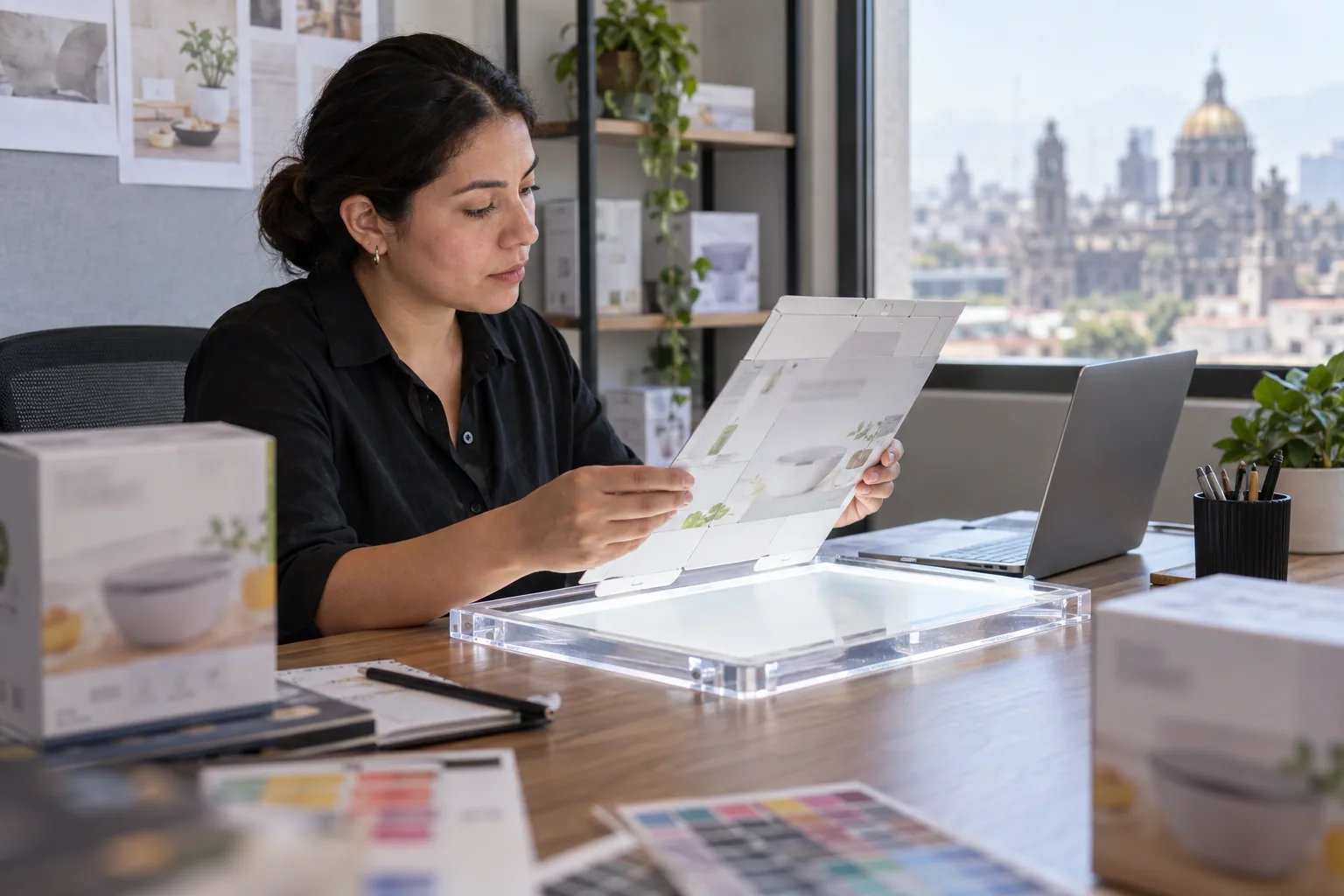
Show a buyer decision context for Mexico NOM-015 Toy Labeling for LED Drawing Board Importers: A 2026 Review Guide.
- Placement
- hero
- Caption
- A Mexico-market buyer checks Spanish package artwork against the identified LED drawing board set.
- ALT text
- Mexico importer reviewing Spanish-language retail packaging beside a shaped LED drawing board
View AI image direction
Photorealistic documentary photograph for a LumDigi B2B article about Mexico NOM-015 Toy Labeling for LED Drawing Board Importers: A 2026 Review Guide. Photorealistic documentary photograph in a real Mexico City product-review office: an adult Mexican import buyer checks a shaped clear acrylic LED fluorescent drawing board beside a retail carton with Spanish copy fully blurred and unreadable, neutral laptop, daylight, realistic acrylic texture, calm commercial review, landscape 3:2. No logos, seals, readable text, certificates, watermark, text overlay, or staged legal approval. Real acrylic texture, candid commercial setting, landscape composition, no readable logos, no certificates, no text overlay, no watermark.
Show practical factory or shipment-review context for Mexico NOM-015 Toy Labeling for LED Drawing Board Importers: A 2026 Review Guide.
- Placement
- after-key-considerations
- Caption
- Chinese factory staff compare a shaped LED acrylic board sample with a neutral packaging proof before buyer approval.
- ALT text
- Chinese factory staff reviewing an LED drawing board sample and packaging proof
View AI image direction
Photorealistic documentary photograph for a LumDigi B2B article about Mexico NOM-015 Toy Labeling for LED Drawing Board Importers: A 2026 Review Guide. Photorealistic documentary photograph in a clean Chinese factory sample room: Chinese/Asian adult employees review a real shaped LED acrylic drawing board, markers and a plain packaging proof with all print unreadable; candid teamwork, practical factory light, realistic acrylic and paper, landscape 3:2. No readable text, brand logos, certification marks, watermark, text overlay, or fabricated test results. Real acrylic texture, candid commercial setting, landscape composition, no readable logos, no certificates, no text overlay, no watermark.
Turn the article into a practical sourcing brief
Use the checkpoints above to document the product, evidence, packaging, and approval decisions relevant to your market. A clear brief helps suppliers respond to the same commercial question and gives your team a traceable basis for the next step.
Useful external references
- Mexico Diario Oficial: NOM-015-SCFI-2007
Official standard text for commercial information and labeling of toys, including scope and product-information requirements.
- Mexico Diario Oficial: 2026 customs annex
A customs-procedure annex with a narrow context; it is not a blanket replacement of NOM-015 labeling duties.
- PROFECO: Recommendations for buying safe toys
Official consumer-protection guidance relevant to age, instructions, and product information.
LED Drawing Board Multi-Market Language Packaging Guide for Importers
A B2B guide for multi-market importers, private-label brands, and packaging managers who need to use a market-by-market packaging matrix that keeps the selected product, language version, instructions, artwork proof, and responsible review connected.
Read article
LED Drawing Board Carton Marking Guide for Export Buyers
A B2B buying guide for importers, logistics planners, and distributors who need to review carton marks from the approved SKU, pack count, destination context, and buyer-owned shipment requirements.
Read article
EU PPWR Packaging Readiness for LED Drawing Board Importers
A B2B buying guide for EU importers, private-label brands, packaging teams, and distributors who need to inventory each packaging layer, identify the responsible economic operator, and obtain evidence for market-specific review before approving artwork or a packaging change.
Read article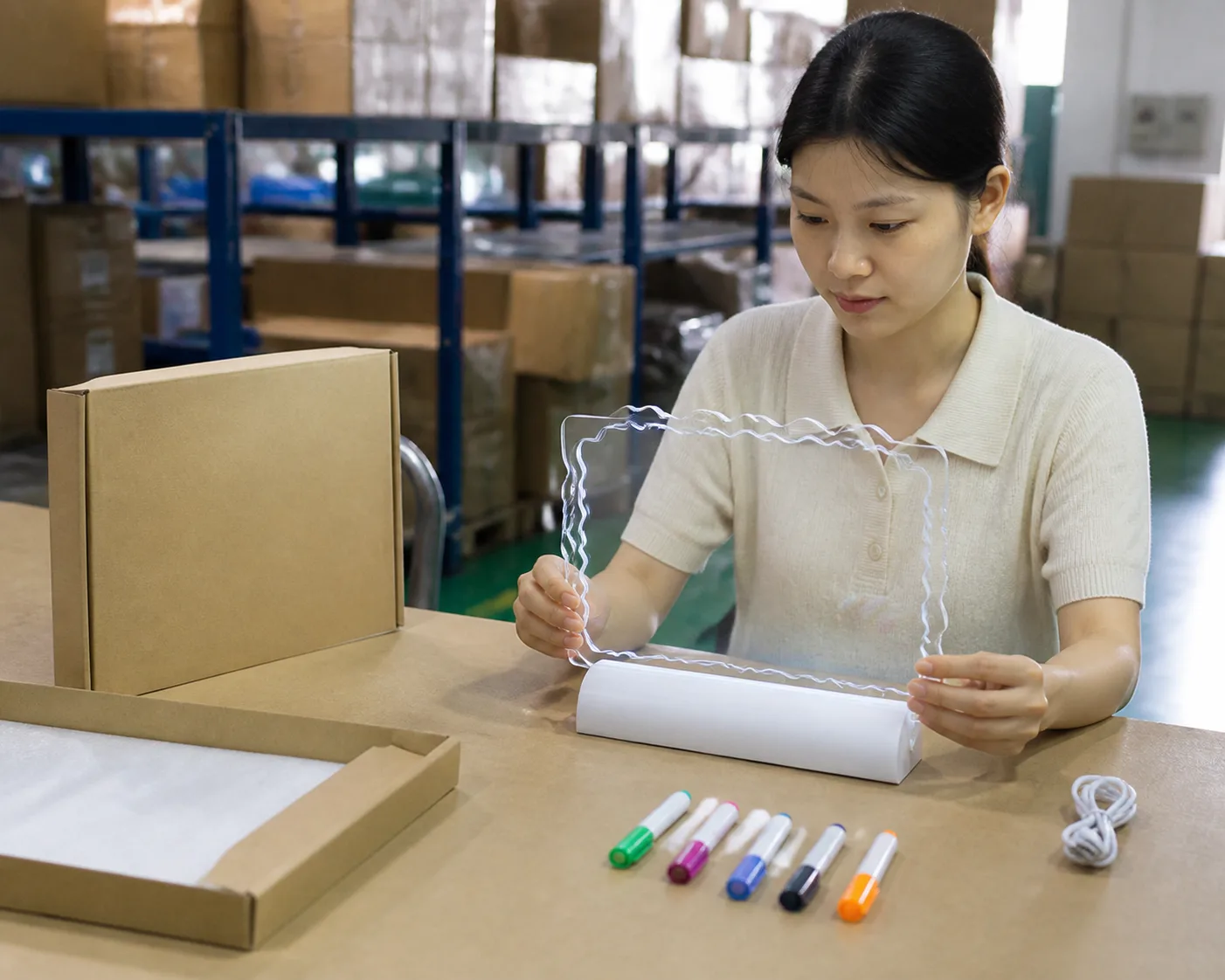
LED Drawing Board After-Sales Triage Guide for Distributors
A B2B buying guide for distributors, retailers, and customer-service teams who need to triage customer questions using product identity, observed condition, packed contents, and buyer-owned support records.
Read article