Give suppliers the same question before comparing answers
A strong RFQ describes the buyer context, exact set, customization boundary, packaging, quantity scenarios, evidence, response format, and open decisions without pretending uncertain details are final.
1. Explain the buyer, channel, and project objective
The RFQ should open with enough commercial context for suppliers to propose a relevant configuration without exposing confidential information or guessing the product's intended role.
Describe the target customer, selling channel, destination markets, planned assortment role, private-label requirement, and the business reason for customization. State whether the request concerns an existing shaped model, a modified product, or a new concept. Include the desired response date and decision process. Avoid vague phrases such as 'best quality' or 'competitive price'; translate them into product, pack, evidence, and service questions that suppliers can answer consistently.
Open the RFQ with a one-page commercial context that a product engineer, packaging supplier, and account manager can all interpret. Describe whether the board is planned for toy retail, gifting, classroom activities, promotional use, or another supervised drawing context; name the destination markets for buyer review; and explain the price-positioning and presentation goal without inventing a target specification. Include the desired differentiation, such as an exclusive silhouette, existing platform with private-label packaging, or coordinated shape family. Also identify the decisions that are genuinely open. If the buyer has not chosen a power arrangement or marker count, label those lines as supplier-response questions instead of allowing each quotation to embed a different assumption. This context helps suppliers propose within the same project boundary and makes later commercial comparisons more meaningful.
- Identify target channel, customer, markets, and assortment role.
- State existing model, modified model, or new development route.
- Name response deadline, buyer contacts, and decision sequence.
- Label confidential, indicative, and confirmed information appropriately.
2. Attach a product and set-contents schedule
A product schedule should identify panel geometry, base, controls, power arrangement, markers, accessories, decoration, and visible acceptance references for every requested variant.
Use a table with one row per variant and separate confirmed requirements from supplier proposals. Add drawings or dimensioned sketches for shapes, preferred colors, drawing-area priorities, base direction, control sequence, input questions, marker assortment, cleaning item, and printed materials. Ask the supplier to state deviations and alternatives beside the requirement instead of silently replacing it. If technical or destination requirements apply, identify the evidence requested and route interpretation to qualified buyer reviewers.
Attach a schedule with one row per product code and columns for panel outline, approximate dimensions, base, controls, illumination modes, power-related item, marker colors, cleaning accessory, printed pieces, inner support, retail carton, and shipping pack. Reference drawings or annotated photographs by filename rather than pasting unlabeled images into the email body. For a new shape, show the intended usable drawing area and base interface separately from decorative outer geometry, then request feasibility comments. Mark buyer-supplied elements, supplier-proposed elements, and exclusions with different statuses. The schedule should survive the sales conversation: a colleague comparing quotations later must be able to see whether a cable, marker pack, insert, or retail box was included in every offer without reconstructing the scope from chat history.
Include an evidence-request column beside each product line. Existing models may need current front, rear, edge, control, lit, contents, and packed views; adapted shapes may also need dimensioned drawings and a note about which sample stage will verify the outline and base fit. Ask respondents to label every attachment with the schedule code. This prevents a striking lifestyle image from being mistaken for the exact quoted configuration and gives the buyer a concrete list of evidence to close before sample release. When a supplier proposes an alternative, add it as a separate coded row with the changed fields highlighted, preserving the original request for comparison.
| Schedule block | Information requested | Supplier response |
|---|---|---|
| Panel | Shape, dimensions, surface, edge, decoration | Confirmed option, drawing, deviation |
| Base and light | Fit, color, controls, input arrangement | Configuration and reference |
| Contents | Markers, accessories, printed pieces | Included, optional, or excluded |
| Variants | Working codes and shared components | Per-variant differences |
3. Separate product customization from brand and packaging scope
The RFQ should list each customization touchpoint and packaging layer so suppliers can quote standard options, buyer artwork, new structures, and conditional items separately.
Map product marking, base color, panel decoration, retail carton, inner support, labels, instructions, inserts, master carton marks, barcode area, and photography sample needs. Provide the file types and review process for buyer artwork, but do not release unapproved claims as final copy. Ask which dielines, print constraints, samples, and setup items apply. A render is useful for direction; request a packed sample gate for the actual approved set.
Create a separate branding and packaging annex because product customization and printed presentation often follow different approval paths. List logo positions, decoration methods to quote, product naming, color references, languages, barcode space, buyer-supplied statements, instruction responsibility, dieline needs, inner-pack objective, retail format, and carton marks. Ask suppliers to identify existing packaging structures that fit the defined set before proposing a completely new insert. Require artwork dimensions and file requirements in the response, but keep final claims subject to the buyer's qualified market review. This annex reveals whether an apparently similar quotation includes only a logo label, a printed carton, or a complete branded pack, and it gives the design team a stable checklist once a physical configuration is selected.
- List brand touchpoints on product, package, inserts, and cartons.
- Request dielines, print method, file requirements, and proof stages.
- Identify new insert or structural packaging work separately.
- Require packed-sample review before final production release.
4. Prescribe the quotation and evidence format
A response template makes configuration, quantity basis, one-time items, packaging, terms, exclusions, and evidence gaps visible across suppliers.
Ask suppliers to quote the same quantity scenarios without implying a forecast or commitment. Require product reference, included components, unit basis, packaging, customization, setup or tooling items, sample cost if applicable, shipment terms, payment proposal, validity, estimated milestones as conditional planning inputs, and exclusions. Keep regulatory or performance evidence as named document requests. A supplier should be free to say information is pending; blank cells should not be interpreted as included.
Prescribe a response table that separates the recurring product offer from samples, development work, tooling or setup where applicable, printed packaging, and other conditional items. Ask the supplier to state quantity basis for each shape, color, artwork, or combined order; quotation validity; shipment term; payment assumptions; sample purpose; included evidence; exclusions; and information still needed from the buyer. Product images in the response should carry the same working code as the price line. Do not ask for promises about unsolved details; ask which points are confirmed, proposed, or pending feasibility. A structured commercial response makes it possible to compare scope completeness and uncertainty alongside the headline number, while leaving final price and timing to the supplier's documented offer rather than generic assumptions.
Provide a clarification-return date and ask the supplier to preserve unanswered cells rather than deleting them. Blank fields should be marked not quoted, not applicable, or pending buyer input so absence has a visible meaning. Include a column for the quotation document and revision that supports each line, allowing commercial changes to be traced when packaging or accessories change later. If the supplier can offer several quantity scenarios, request the same set definition in each scenario. Otherwise, a lower figure may reflect a reduced marker count, a generic carton, or another scope change that the comparison sheet cannot see.
| Response field | Why it matters |
|---|---|
| Configuration and revision | Links price to the actual product set |
| Quantity basis | Shows per-variant or combined assumptions |
| Conditional items | Separates standard supply from development choices |
| Evidence and exclusions | Prevents missing information from becoming an assumption |
5. Close clarifications through an RFQ revision log
Every material answer should update the controlled RFQ or supplier response so the final quotation, sample, and purchase basis describe the same project.
Run supplier questions through one log with question number, source requirement, answer, owner, date, impact, and status. Issue an addendum to all active bidders when a buyer change affects comparability. Before selecting a direction, reconcile the quotation with the sample, product schedule, packaging scope, and unresolved technical reviews. The sourcing award is not the production specification; convert accepted decisions into a final release index referenced by purchasing and inspection.
Log every clarification under the RFQ line it changes. A question about panel thickness belongs with the physical specification; a request for another language belongs with the artwork schedule; and a revised carton arrangement belongs with the packaging annex. Record the supplier answer, supporting image or drawing, buyer decision, owner, and revision in which the answer becomes effective. When enough points are closed for a final quotation, issue a clean RFQ revision instead of treating a long question spreadsheet as the contract scope. The release copy should include only current inputs and a short list of deliberately open conditions. This discipline prevents a useful supplier suggestion from remaining outside the quoted configuration and ensures the next sample is ordered against the same project definition purchasing intends to evaluate.
Finish with a quotation-normalization note that lists differences the buyer has deliberately accepted between respondents. One supplier may propose a standard insert while another quotes the requested custom structure; one may include a printed instruction while another awaits the buyer's file. Preserving these differences is more honest than forcing unlike offers into a false identical row. The note gives decision makers a concise view of remaining scope tradeoffs and tells the selected supplier which alternatives disappear when the final RFQ revision is issued.
- Number questions and tie answers to exact RFQ requirements.
- Share buyer scope changes consistently across active comparisons.
- Reconcile quote, sample, pack, and open evidence before selection.
- Create a final specification index after commercial direction is chosen.
Frequently asked questions
What information should a custom LED board RFQ contain?
Include buyer context, exact variants, component schedule, customization touchpoints, packaging, quantity scenarios, sample and evidence requests, quotation fields, terms, exclusions, response date, and clarification process.
Should an RFQ include a target price?
A buyer may share a commercial target when useful, but it should not replace a defined product scope. Explain the configuration and assumptions so suppliers can identify feasible changes instead of reducing an unknown set.
How do buyers keep quotes comparable?
Send one controlled RFQ, prescribe a response template, require deviations and exclusions, issue shared addenda for scope changes, and normalize each quotation against the same product, packaging, quantity, and term basis.
Is the chosen quotation a production specification?
No. Reconcile it with samples, drawings, contents, artwork, packaging, and open reviews, then issue a controlled final specification and inspection basis before production release.
Image planning for this topic
These notes document the role and intended context of the two visuals used in this guide.
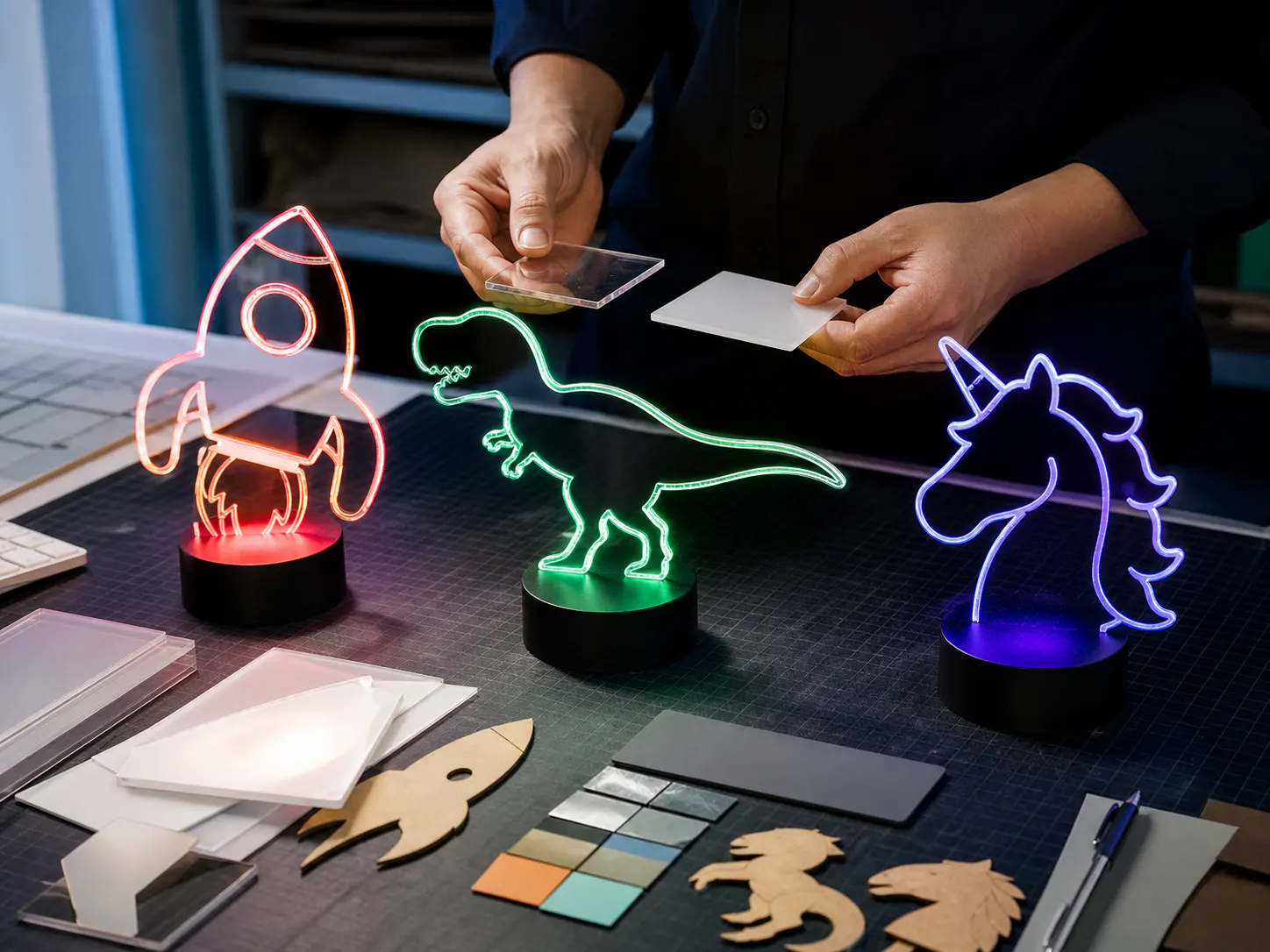
Visualize the move from shape concept to defined RFQ.
- Placement
- hero
- Caption
- Shape concepts become comparable when dimensions and set assumptions are documented.
- ALT text
- Custom LED drawing board shape concepts and RFQ documents
View AI image direction
Premium B2B design-review photograph of several unbranded shaped acrylic LED fluorescent board samples, dimensioned sketches, component schedule, markers, and a structured RFQ on a clean product-development table, subtle LumDigi identity on a document header, accurate materials and scale, no people or competitor logos, balanced studio light, editorial landscape composition.
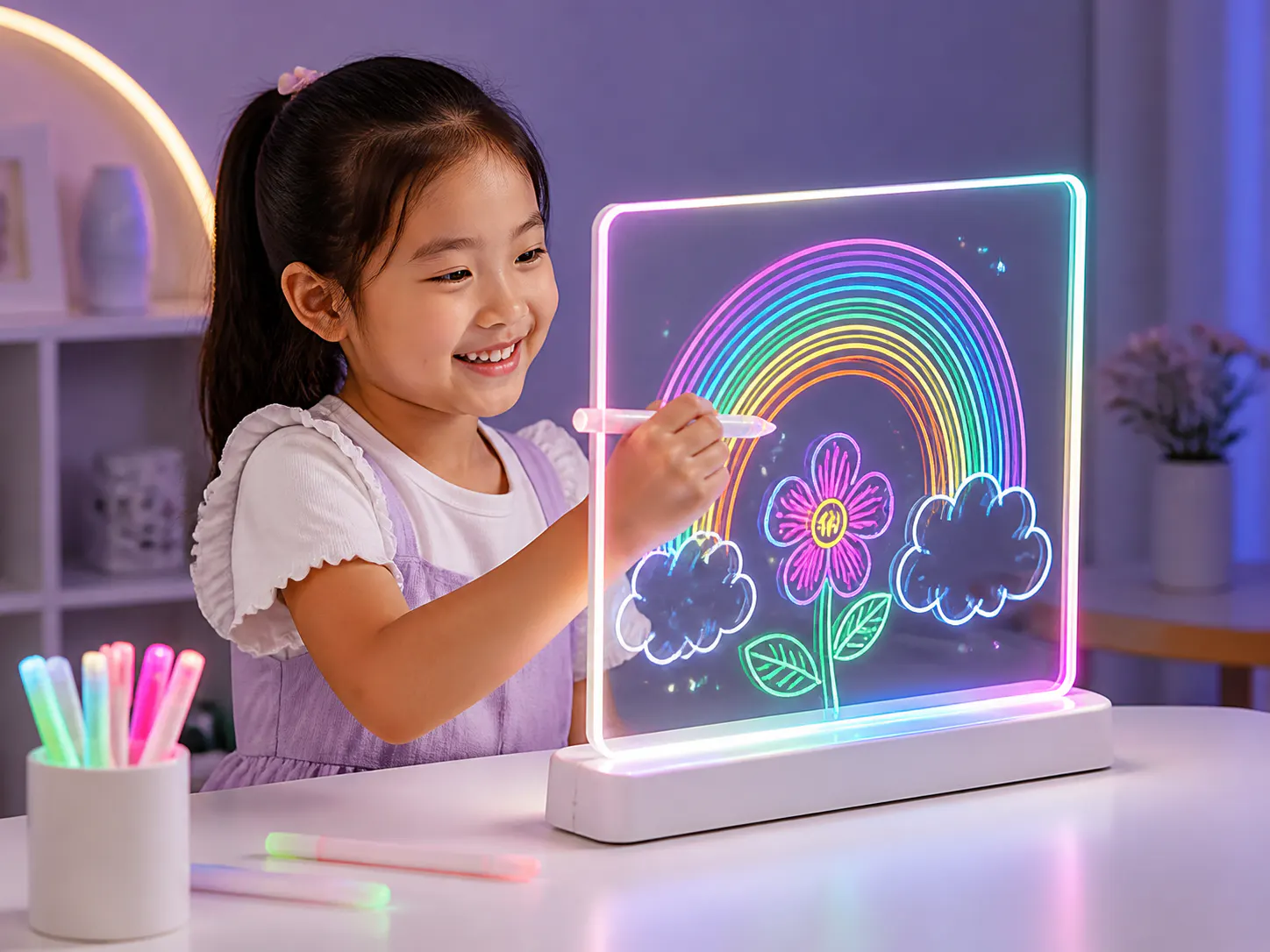
Show a configurable product reference used in quotation review.
- Placement
- after-key-considerations
- Caption
- A configuration-linked sample helps suppliers answer the same custom-product question.
- ALT text
- RGB LED fluorescent drawing board sample with specification notes
View AI image direction
High-detail product photograph of an RGB acrylic LED fluorescent drawing board beside labelled base controls, markers, packaging notes, and a variant matrix, neutral sourcing-office setting, accurate illuminated edges and transparent surface, understated LumDigi mark, no competitor branding, no invented certifications, realistic B2B editorial styling with space for annotation.
Turn the article into a practical sourcing brief
Use the checkpoints above to document the product, evidence, packaging, and approval decisions relevant to your market. A clear brief helps suppliers respond to the same commercial question and gives your team a traceable basis for the next step.
Useful external references
- GS1 Product Image Standard
Primary guidance for consistent product-image identification and digital assets.
- CPSC business and manufacturing resources
Official U.S. business resource; destination-specific obligations need suitable qualified review.

LED Fluorescent Boards for Wholesale: A Buyer's Sourcing Checklist
Turn a promising illuminated drawing-board sample into a clearly specified, reviewable wholesale project with this buyer-focused sourcing checklist.
Read article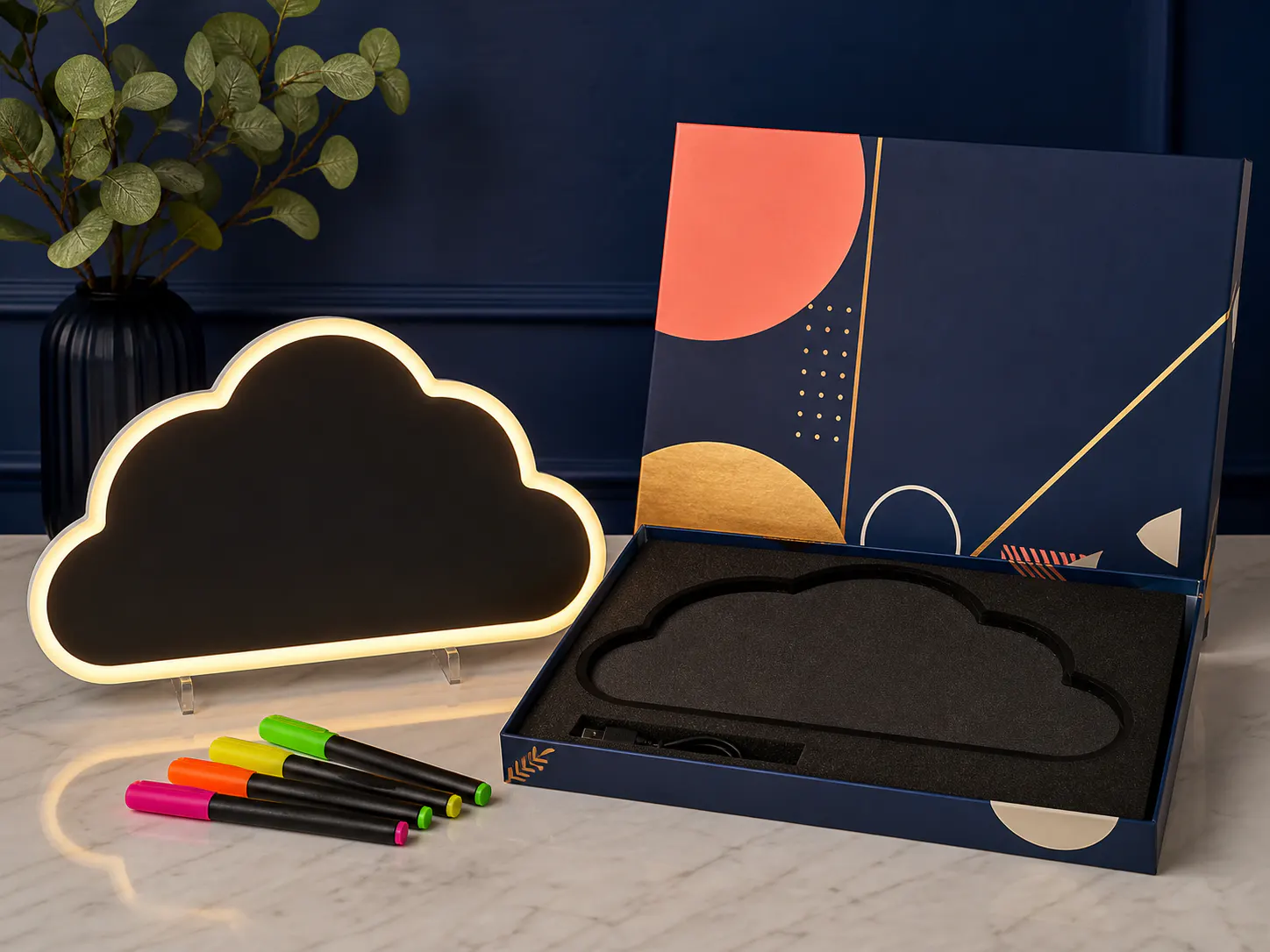
OEM vs ODM vs Private Label for LED Drawing Boards
Choose a customization model by matching desired differentiation and control with realistic development work, evidence, approval ownership, and commercial uncertainty.
Read article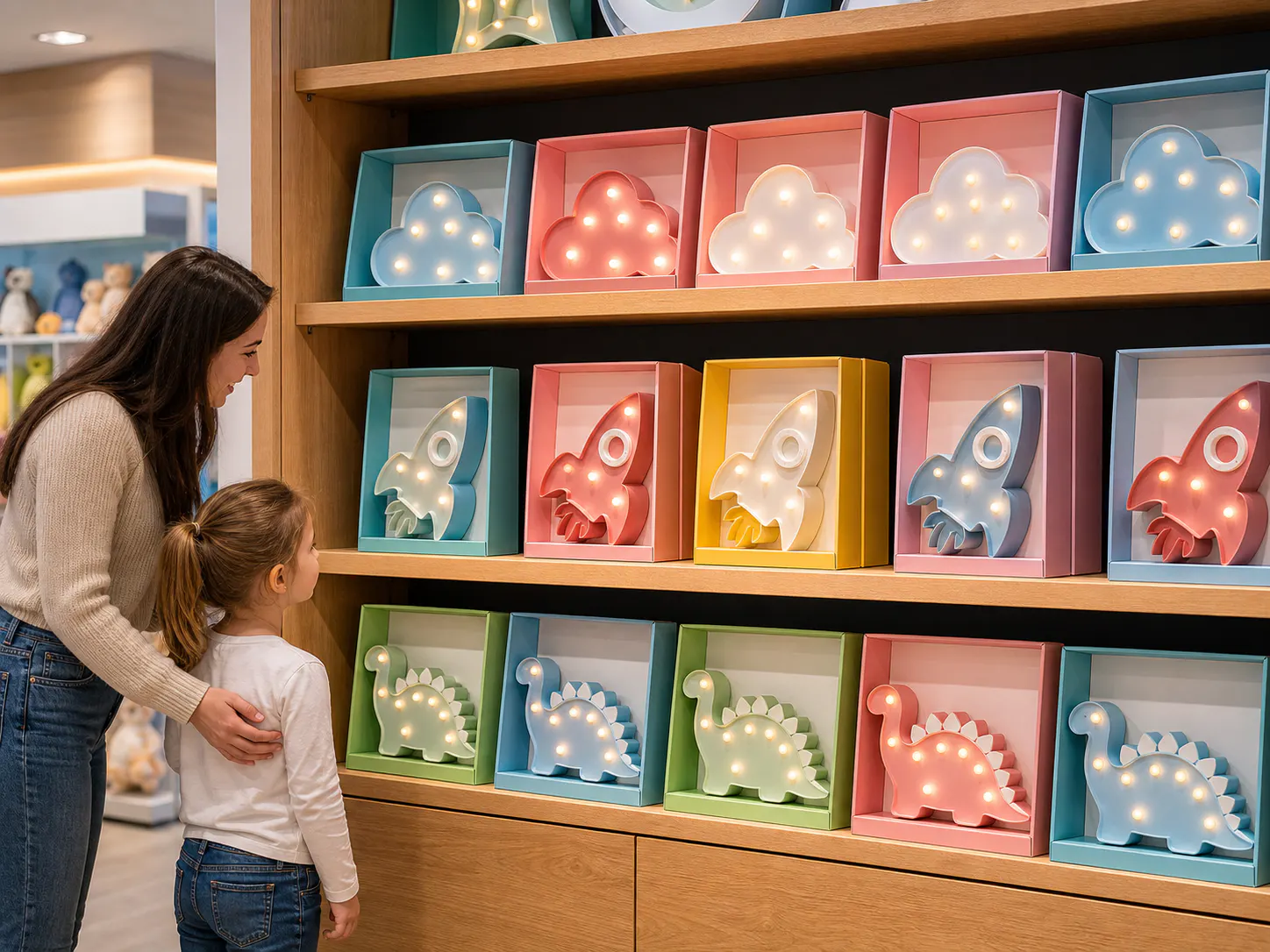
How to Build a Profitable LED Drawing Board Collection for Your Store
A B2B commercial planning guide for retail assortment planners: plan a collection that customers can understand and the business can source, display, and replenish.
Read article
When to Request a CBP Binding Ruling for an LED Drawing Board Import
A B2B buying guide for U.S. importers of record, customs brokers, private-label brands, and trade counsel who need to decide with a broker or customs adviser whether an advance ruling is appropriate and assemble a complete, version-controlled product description before submission.
Read article