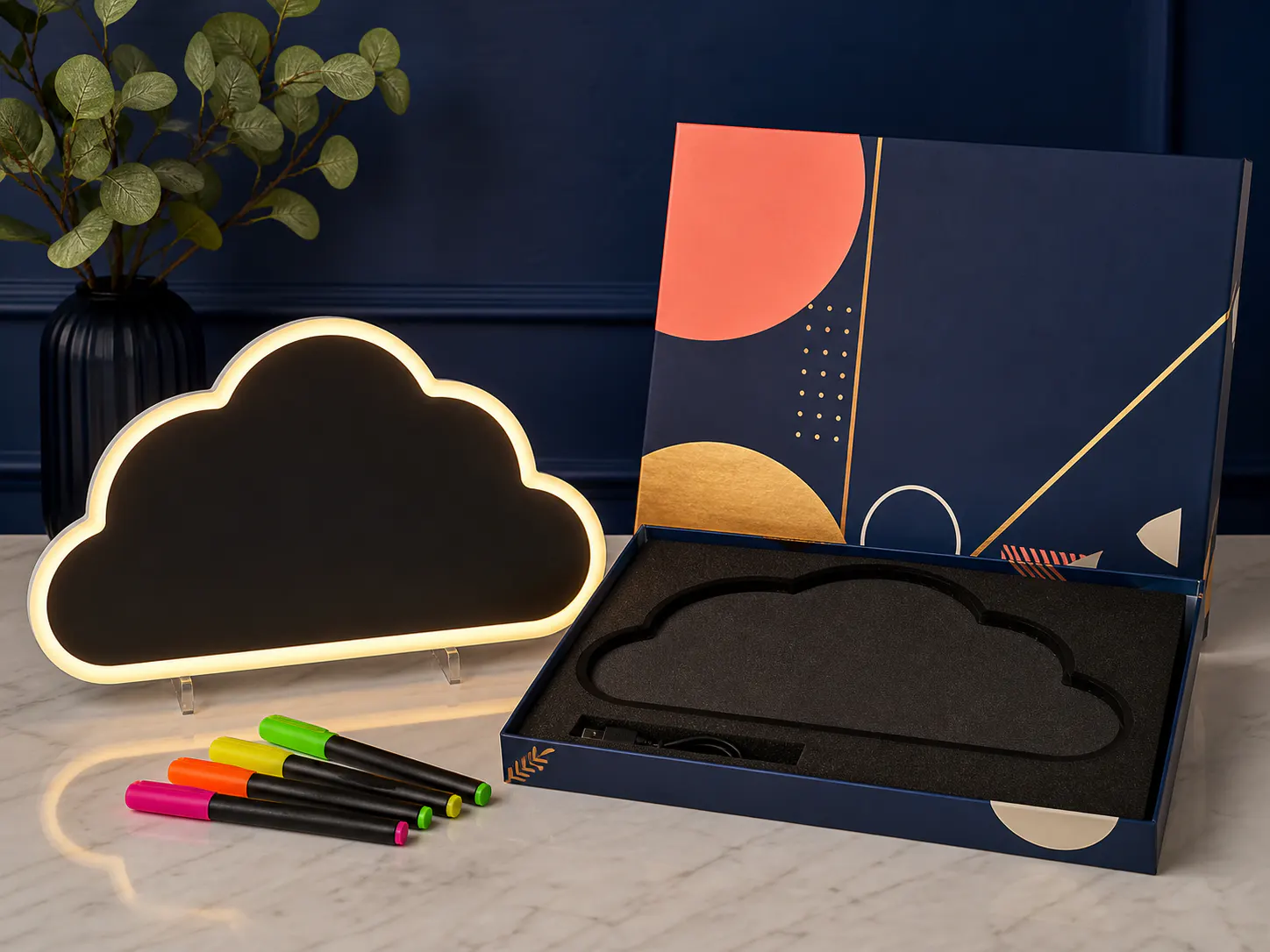
Choose the development route before choosing the label
Terminology varies by supplier. Define the actual work: existing product branding, configured adaptation, or buyer-led new development, then compare ownership, evidence, samples, cost drivers, and release gates.
1. Define the three routes in the RFQ
Private label generally brands an existing product; ODM usually adapts a supplier platform; OEM can involve producing to buyer-defined specifications, but the written scope matters more than the acronym.
Ask each supplier to describe what remains standard and what changes. For an LED board, this may cover panel shape, base, light controls, power arrangement, decoration, marker set, package, instructions, and testing or documentation responsibilities. Avoid assuming that a shared term assigns design ownership, tooling, exclusivity, or compliance work. Put those topics into the contract and development plan explicitly.
Replace labels with a change map in the RFQ. For private label, list the existing product reference and exact brand touchpoints. For an ODM adaptation, identify which supplier-platform elements remain fixed and which panel shape, color, accessory, control, or pack details may change. For a buyer-defined OEM project, list the drawings, performance inputs, interfaces, files, tooling questions, and evidence responsibilities supplied by each party. Ask the supplier to correct the map if its terminology differs. This prevents two quotations both marked 'OEM' from representing completely different work. The chosen word can remain in commercial communication, but the signed scope must show what is created, selected, approved, owned, and inspected so product, legal, design, and purchasing teams share the same project boundary.
| Route | Typical starting point | Buyer question |
|---|---|---|
| Private label | Existing defined product | Which brand touchpoints can change? |
| ODM | Supplier platform with configured adaptations | Which elements and evidence remain platform-based? |
| OEM | Buyer-defined specification or design input | Who owns drawings, validation, and change decisions? |
2. Match differentiation to customer value
Customize only elements that create a clear channel or customer advantage worth the added development, approval, inventory, and service complexity.
Rank proposed changes by visible value and technical consequence. Brand artwork, existing shapes, color selections, unique panel outlines, base changes, new controls, packaging structures, and component assortments require different work. A distinctive silhouette may improve range storytelling but create new drawings, samples, inserts, photography, and inspection points. Use a decision matrix rather than treating maximum customization as automatically premium.
Evaluate every proposed change through the customer-facing proposition and the operational work it creates. A new acrylic silhouette may be highly visible at retail but requires shape drawings, fit review, protective packaging, product photography, and inspection references. A base-color change may support brand recognition while creating its own sample and quantity basis. A logo on an existing product is simpler but may not create the exclusivity a retailer expects. Score each change for visible value, physical consequence, new files, sample gates, variant multiplication, and reversibility. Then build a minimum differentiation package that supports the range story before considering optional features. This keeps development resources focused on decisions a customer or buyer can actually perceive rather than using deeper customization as a prestige signal.
- Describe the customer or retailer value of each proposed change.
- Separate visual customization from structural and functional development.
- Count new samples, files, parts, and controls created by the choice.
- Defer changes that lack a clear assortment role.
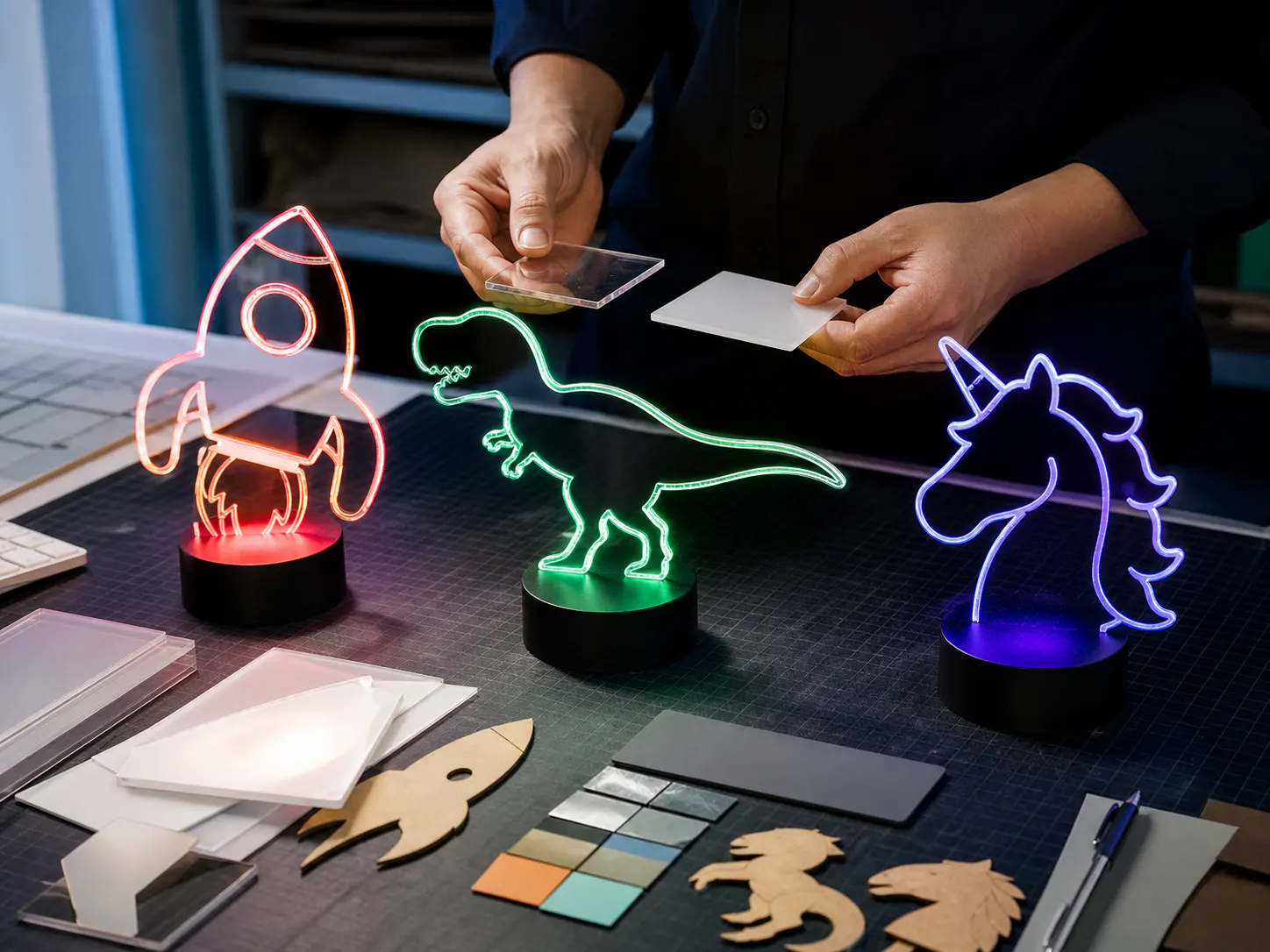
3. Assign design, tooling, evidence, and change ownership
A responsibility matrix should state who supplies drawings, approves specifications, controls tooling, reviews technical evidence, owns artwork, and authorizes changes.
Record source-file access, permitted use, confidentiality, tooling identification, maintenance or storage questions, exclusivity claims, and end-of-project handling where applicable. These are commercial and legal topics for appropriate buyer review, not assumptions created by product sketches. For destination-specific requirements, identify who provides evidence and who decides adequacy. The factory can supply information, but the buyer retains its own market and product responsibilities.
Create a responsibility table at file and decision level. State who supplies the panel geometry, who verifies the base interface, who releases brand artwork, who reviews buyer-supplied statements, who approves sample deviations, and who retains the final source files. If tooling is proposed, identify it by project code and ask about payment, storage, maintenance, access, permitted use, transfer, and end-of-project treatment for appropriate commercial or legal review. Intellectual-property and exclusivity positions should be documented explicitly, not inferred from payment for samples or from the word OEM. Technical and destination-market evidence also needs named providers and qualified reviewers. This ownership map makes escalation practical when a drawing, tool, print file, or claimed requirement changes after the concept has been accepted.
- Name owner and approver for every drawing and specification.
- Document tooling, file access, confidentiality, and usage questions.
- Assign technical evidence review to qualified parties.
- Require authorized change approval after design freeze.
4. Use stage gates for concept, engineering sample, pack, and pilot
More custom work needs more explicit evidence gates, progressing from feasibility through production-intended product and packaging rather than one vague sample approval.
Define the purpose of each sample: visual concept, dimensional prototype, functional engineering sample, decoration sample, packed sample, or production-intended pilot. State what is not represented at each stage. Review drawings before physical work where relevant, then capture findings and revisions systematically. A late cosmetic approval should not silently reopen a frozen interface or control specification.
Give each physical build a declared purpose and limitation. A visual mockup can evaluate outline and brand direction but may not use production-intended electronics; an engineering sample can check fit and control behavior while using temporary decoration; a packed sample answers protection, contents, artwork, and unboxing questions; and a pilot can provide evidence from the controlled product and process before broader release. Issue a review sheet for each stage with the sample code, input revisions, checks performed, findings, photographs, open changes, and next gate. Do not allow approval of one layer to become blanket acceptance of another. When an interface change occurs, trace which downstream samples and files are affected so the project does not carry a beautiful but physically obsolete pack or image into production preparation.
| Gate | Primary decision |
|---|---|
| Concept | Does direction serve the customer and channel? |
| Engineering | Do geometry, fit, controls, and components match the brief? |
| Pack | Does actual product fit approved structure and artwork? |
| Pilot | Can the controlled product and process support release evidence? |
5. Compare cost and quantity drivers without false certainty
Evaluate recurring product scope, one-time development, tooling, samples, packaging, per-variant quantities, evidence work, and change exposure under explicit assumptions.
Request a breakdown rather than a single figure. Ask which quantities apply per shape, color, artwork, component, or combined order, and which prices remain conditional on confirmed design. Build scenarios for the buyer's actual channel and cash exposure. A standard private-label route may reduce new development but offer less physical differentiation; a deeper OEM route may create stronger distinction while increasing decisions and unresolved costs.
Build three scope-linked scenarios rather than comparing only unit figures. The private-label scenario should show the existing product, brand application, printed materials, packed sample, and variant quantities. The ODM scenario should add each agreed platform adaptation and its development or setup questions. The OEM scenario should show new engineering inputs, tooling where applicable, samples, buyer approvals, evidence work, packaging, and unresolved assumptions. Separate recurring, one-time, conditional, and excluded items, and record whether quantities apply per shape, color, artwork, or combined order. Add the buyer's internal design, legal, and technical-review workload to the decision notes. This view does not predict final cost or timing; it makes the commercial exposure and unanswered questions of each route visible before selection.
- Separate recurring, one-time, conditional, and excluded items.
- Clarify quantity basis for every variant and custom process.
- Track assumptions that could change after sample or drawing approval.
- Compare downside and reversibility as well as headline price.
6. Select the simplest route that achieves the proposition
The recommended route is the least complex model that can deliver the required customer value, brand control, evidence, and supply plan.
Score routes against proposition fit, uniqueness, channel timing, internal design resources, approval capability, technical-review needs, investment uncertainty, variant count, and change tolerance. Record why alternatives were rejected. Then issue a route-specific brief: private-label touchpoint pack, ODM adaptation matrix, or OEM design and responsibility specification. Reassess the route if the product concept or retailer requirement changes materially.
Write the route decision as a project brief, not a single acronym. State the retail proposition, required points of difference, unchanged platform elements, buyer and supplier inputs, sample sequence, artwork and packaging scope, ownership questions, quotation assumptions, and first release gate. Include a short rejected-alternatives note explaining why a deeper or simpler route did not fit the current assortment. The decision can change if retailer requirements or physical feasibility change, but the revision should be deliberate and its effect on existing files and samples assessed. Selecting the least complex route that achieves the required customer value preserves room for evidence-based development while avoiding new tooling, variants, and approvals that do not strengthen the intended offer.
After selection, rewrite the supplier question list for that route. A private-label brief should close product identity and brand touchpoints; an ODM brief should close the boundaries of the supplier platform and proposed adaptations; an OEM brief should close drawings, interfaces, responsibility, tooling, and evidence stages. Remove questions that belong only to rejected routes so the next quotation and sample request remain focused. This final translation is what makes the strategy executable: purchasing receives a comparable scope, design receives named files, and product reviewers know which decisions must be evidenced before progression.
- Weight customer value before prestige attached to an acronym.
- Include internal review capacity and evidence ownership.
- Record rejected routes and the assumptions behind selection.
- Convert the chosen model into a detailed controlled brief.
Frequently asked questions
What is the difference between OEM, ODM, and private label?
Definitions vary. Private label often brands an existing product, ODM adapts a supplier platform, and OEM may produce to buyer-defined inputs. Define changed elements, ownership, evidence, and approvals in writing.
Which route is fastest?
Do not assume a universal lead time. An existing product with limited branding usually involves fewer new decisions, but actual timing depends on scope, files, samples, reviews, production conditions, and current supplier inputs.
Does OEM mean the buyer owns the design?
Not automatically. Drawings, intellectual property, tooling, file access, permitted use, and exclusivity need explicit commercial and legal agreement.
How should a buyer choose?
Choose the least complex route that produces the required customer value and brand difference while fitting the buyer's resources, evidence responsibilities, quantity scenario, risk tolerance, and channel plan.
Image planning for this topic
These notes document the role and intended context of the two visuals used in this guide.
Represent an existing-product private-label route.
- Placement
- hero
- Caption
- Private label coordinates a defined product with buyer-approved brand touchpoints.
- ALT text
- Private-label LED drawing board and coordinated package
View AI image direction
High-end B2B photograph of an existing shaped acrylic LED fluorescent board with coordinated LumDigi-branded sample packaging, artwork proof and contents card, clear visual distinction between product and brand layers, accurate materials, no people or competitor logos, restrained premium studio lighting, editorial comparison composition.
Represent deeper ODM or OEM shape-development work.
- Placement
- after-key-considerations
- Caption
- Custom development adds drawings, samples, decisions, and ownership questions.
- ALT text
- Custom shaped LED drawing board development samples
View AI image direction
Photorealistic product-development table with several shaped acrylic LED board prototypes, dimensioned drawings, base-interface samples, change log and tooling concept notes, two Chinese engineers' hands visible with understated LumDigi sleeve badges, no identifiable faces, no competitor branding, realistic workshop-office lighting, detailed documentary editorial style.
Turn the article into a practical sourcing brief
Use the checkpoints above to document the product, evidence, packaging, and approval decisions relevant to your market. A clear brief helps suppliers respond to the same commercial question and gives your team a traceable basis for the next step.
Useful external references
- GS1 Product Image Standard
Primary guidance for consistent product-image identification and digital assets.
- CPSC business and manufacturing resources
Official U.S. business resource; destination-specific obligations need suitable qualified review.
Private-Label LED Fluorescent Boards: Packaging, Samples and MOQ Planning
A private-label project becomes manageable when product scope, brand touchpoints, packed samples, quantity assumptions, and approvals are defined before release.
Read articleHow to Write an RFQ for Custom LED Fluorescent Boards
A disciplined RFQ turns a creative product idea into a comparable supplier request with controlled assumptions, evidence requirements, and decision dates.
Read article
How to Build a Profitable LED Drawing Board Collection for Your Store
A B2B commercial planning guide for retail assortment planners: plan a collection that customers can understand and the business can source, display, and replenish.
Read article
Canada CCPSA Incident Reporting for LED Drawing Board Importers
A B2B buying guide for Canadian importers, distributors, private-label brands, and customer-care teams who need to set up a product-specific complaint intake, escalation owner, supplier notification, and Health Canada reporting decision path before products reach consumers.
Read article