
How Should I Choose Between USB Power, Rechargeable, and Battery Options for a LED Drawing Board
A structured answer for a buyer deciding on power: choose from the intended use duration, charging access, cable management, replacement routine, and product documentation.
1. Start with the job the board must do for LED drawing board power options
How Should I Choose Between USB Power, Rechargeable, and Battery Options for a LED Drawing Board starts with a defined use case and a complete product view: choose from the intended use duration, charging access, cable management, replacement routine, and product documentation.
LED drawing board power options buyer check 1.1: For how should i choose between usb power, rechargeable, and battery options for a led drawing board, the first useful question is not which model has the most dramatic photograph. It is where the board will be used, who will prepare it, how long a session lasts, what drawing activity is expected, and what needs to be stored afterwards. A compact shaped product can be appropriate for gifting or a focused play activity, while a larger panel may better support a table-based task. Record the setting before comparing product features.
LED drawing board power options buyer check 1.2: a buyer deciding on power should translate that setting into a short buying brief: the desired drawing area, room or desk constraints, preferred silhouette, need for portability, power access, accessory expectations, and the level of product information required before purchase. LED drawing board power options decisions are easier to defend when the buyer records the exact panel, base, power item, markers, pack, and seller information being compared. That record prevents a product photo, an informal message, or a review for another revision from becoming the only evidence behind a purchase.
LED drawing board power options buyer check 1.3: Section 1 of led drawing board power options guide should end with a written list of what is confirmed, what remains a seller question, and what evidence supports each decision. This small discipline prevents a later conversation from replacing the original product requirement with a vague recollection. It also gives a retailer, parent, classroom planner, or sourcing team a practical way to compare the next option against the same criteria instead of restarting the evaluation from a new product image.
- Write down the exact LED drawing board power options configuration being considered.
- Confirm the point that most affects a buyer deciding on power's intended activity.
- Keep seller documentation and sample observations with the buying record.
2. Read the complete product description for LED drawing board power options
The most useful comparison is a complete configuration, not a category label.
LED drawing board power options buyer check 2.1: Ask for a factual set list covering the panel material and outline, usable drawing area, base or support, controls, power arrangement, marker quantity and type, cleaning item, instructions, retail pack, and any parts sold separately. When the seller cannot identify an item, mark it as open instead of assuming it is included. This matters because a similar-looking LED drawing board power options can have a different panel size, connection, marker assortment, or power accessory.
LED drawing board power options buyer check 2.2: Inspect unlit and lit product views when available. Unlit images help reveal panel edges, base shape, ports, controls, protective film, and decoration; lit views show how drawing lines present under a particular setting. Neither image proves every performance or compliance claim, but together they make it easier to ask relevant follow-up questions. LED drawing board power options decisions are easier to defend when the buyer records the exact panel, base, power item, markers, pack, and seller information being compared. That record prevents a product photo, an informal message, or a review for another revision from becoming the only evidence behind a purchase.
LED drawing board power options buyer check 2.3: Section 2 of led drawing board power options guide should end with a written list of what is confirmed, what remains a seller question, and what evidence supports each decision. This small discipline prevents a later conversation from replacing the original product requirement with a vague recollection. It also gives a retailer, parent, classroom planner, or sourcing team a practical way to compare the next option against the same criteria instead of restarting the evaluation from a new product image.
- Write down the exact LED drawing board power options configuration being considered.
- Confirm the point that most affects a buyer deciding on power's intended activity.
- Keep setup, care, and accessory information with the buying record.

3. Compare the decision points that affect daily use for LED drawing board power options
The right comparison points are the ones that change setup, drawing, cleaning, storage, or replacement routines.
LED drawing board power options buyer check 3.1: Use a side-by-side worksheet rather than memory. Include the actual dimensions, support footprint, intended power route, control sequence, supplied accessories, instructions, return or service path, and pack contents. Where a specification uses a broad term such as rechargeable, USB-powered, acrylic, or multi-color, ask what that term means for the exact item under review. A label alone does not explain connection type, included cable, care method, or available modes.
LED drawing board power options buyer check 3.2: The practical risk to avoid is treating all USB, rechargeable, and battery arrangements as interchangeable. A worksheet does not make a buying decision for the customer, but it makes differences visible before money is committed. It also makes later questions more focused: a buyer can ask about one unresolved feature rather than relying on a general request for 'better quality.'
LED drawing board power options buyer check 3.3: Section 3 of led drawing board power options guide should end with a written list of what is confirmed, what remains a seller question, and what evidence supports each decision. This small discipline prevents a later conversation from replacing the original product requirement with a vague recollection. It also gives a retailer, parent, classroom planner, or sourcing team a practical way to compare the next option against the same criteria instead of restarting the evaluation from a new product image.
- Write down the exact LED drawing board power options configuration being considered.
- Confirm the point that most affects a buyer deciding on power's intended activity.
- Keep seller documentation and sample observations with the buying record.
4. Check evidence before relying on claims for LED drawing board power options
Evidence should identify the exact product and the conditions under which an observation was made.
LED drawing board power options buyer check 4.1: Give more weight to current seller documentation, clear model-specific photos, a sample when appropriate, and reviews that name the product and describe a real setup or use context. Treat generic star averages, edited lifestyle images, and comments about another design as starting points for questions rather than as a product specification. If a destination market, safety requirement, or technical claim is important, obtain qualified evidence through the buyer's own review process.
LED drawing board power options buyer check 4.2: When a sample is available, examine the panel faces and edges, base fit, controls, supplied power arrangement, markers, cleaning behavior, set contents, and packing sequence against the written description. Keep notes and photographs linked to the exact order or sample code. LED drawing board power options decisions are easier to defend when the buyer records the exact panel, base, power item, markers, pack, and seller information being compared. That record prevents a product photo, an informal message, or a review for another revision from becoming the only evidence behind a purchase.
LED drawing board power options buyer check 4.3: Section 4 of led drawing board power options guide should end with a written list of what is confirmed, what remains a seller question, and what evidence supports each decision. This small discipline prevents a later conversation from replacing the original product requirement with a vague recollection. It also gives a retailer, parent, classroom planner, or sourcing team a practical way to compare the next option against the same criteria instead of restarting the evaluation from a new product image.
- Write down the exact LED drawing board power options configuration being considered.
- Confirm the point that most affects a buyer deciding on power's intended activity.
- Keep setup, care, and accessory information with the buying record.
5. Prepare a simple setup and care routine for LED drawing board power options
A board stays easier to use when setup and maintenance are considered before purchase.
LED drawing board power options buyer check 5.1: Choose a stable place that gives the panel clearance, keeps accessories together, and avoids an unmanaged cable or charging routine. Follow the product instructions for connection and controls. Use only the marker and cleaning approach identified for the surface, and test any replacement item cautiously on a small area only when the maker permits it. Do not use stronger cleaning products or attempt electrical repair beyond normal user care.
LED drawing board power options buyer check 5.2: For a shared environment, define who puts away markers, wipes the board, checks the accessory count, and inspects visible wear before the next session. The routine should match the product and context, not a generic internet tip. a buyer deciding on power gains more from a repeatable, low-friction process than from an impressive feature that nobody can use or maintain consistently.
LED drawing board power options buyer check 5.3: Section 5 of led drawing board power options guide should end with a written list of what is confirmed, what remains a seller question, and what evidence supports each decision. This small discipline prevents a later conversation from replacing the original product requirement with a vague recollection. It also gives a retailer, parent, classroom planner, or sourcing team a practical way to compare the next option against the same criteria instead of restarting the evaluation from a new product image.
- Write down the exact LED drawing board power options configuration being considered.
- Confirm the point that most affects a buyer deciding on power's intended activity.
- Keep seller documentation and sample observations with the buying record.
6. Make the final choice with a documented trade-off for LED drawing board power options
A confident purchase names both the best fit and the trade-offs that remain.
LED drawing board power options buyer check 6.1: Before ordering, restate the intended use, exact configuration, included items, seller evidence, power and care routine, price basis, delivery expectation, and open questions. For a B2B buyer, add target market, packaging, customization, sample status, and inspection points. This turns a broad LED drawing board power options search into a reviewable request that a supplier can answer clearly.
LED drawing board power options buyer check 6.2: Do not choose only on a visual impression, headline price, or one claimed feature. Choose the configuration that supports the actual activity and has adequate information for the buyer's level of risk. If details remain unresolved, ask for a written clarification or sample before release. That approach keeps the purchase practical, transparent, and easier to revisit when the product needs to be reordered or compared later.
LED drawing board power options buyer check 6.3: Section 6 of led drawing board power options guide should end with a written list of what is confirmed, what remains a seller question, and what evidence supports each decision. This small discipline prevents a later conversation from replacing the original product requirement with a vague recollection. It also gives a retailer, parent, classroom planner, or sourcing team a practical way to compare the next option against the same criteria instead of restarting the evaluation from a new product image.
- Write down the exact LED drawing board power options configuration being considered.
- Confirm the point that most affects a buyer deciding on power's intended activity.
- Keep setup, care, and accessory information with the buying record.
7. Conclusion: choose with context, not a shortcut for LED drawing board power options
The best LED drawing board power options is the one whose real configuration fits the intended activity and can be supported by clear evidence.
LED drawing board power options buyer check 7.1: Use the brief, comparison worksheet, evidence check, and care plan in this article as a practical selection sequence. The sequence is deliberately simple: define the job, identify the complete set, compare daily-use differences, verify the exact model, and document the choice. It does not replace qualified technical or market review where that is required, but it prevents common commercial assumptions from becoming hidden product requirements.
LED drawing board power options buyer check 7.2: For wholesale, private-label, or custom shaped LED board projects, share the expected market, channel, shape direction, quantity, package objective, and the questions that remain open. LumDigi can help organize the product information needed for a specific sourcing discussion without treating a general buying guide as a substitute for a confirmed product specification.
LED drawing board power options buyer check 7.3: Section 7 of led drawing board power options guide should end with a written list of what is confirmed, what remains a seller question, and what evidence supports each decision. This small discipline prevents a later conversation from replacing the original product requirement with a vague recollection. It also gives a retailer, parent, classroom planner, or sourcing team a practical way to compare the next option against the same criteria instead of restarting the evaluation from a new product image.
- Write down the exact LED drawing board power options configuration being considered.
- Confirm the point that most affects a buyer deciding on power's intended activity.
- Keep seller documentation and sample observations with the buying record.
Frequently asked questions
What should I check first when considering a LED drawing board power options?
Start with the use case, usable drawing area, complete set contents, power arrangement, surface and marker guidance, and the evidence available for the exact model.
Can I compare LED drawing board power options products from photos alone?
Photos help identify visible design differences, but a reliable comparison also needs model-specific specifications, included accessories, setup information, seller documentation, and a sample when the decision requires it.
What should a wholesale buyer send when requesting a LED drawing board power options quotation?
Send target market, channel, preferred panel or shape, set contents, power direction, packaging objective, quantity, customization needs, sample questions, and the evidence needed before order release.
How can I reduce the risk of buying the wrong model?
Record the exact configuration, compare daily-use factors, resolve open points in writing, and keep photos or sample observations tied to the model being ordered.
Image planning for this topic
These notes document the role and intended context of the two visuals used in this guide.
Provide a product and buyer-context image for How Should I Choose Between USB Power, Rechargeable, and Battery Options for a LED Drawing Board?.
- Placement
- hero
- Caption
- LED drawing board power options product overview supports a more specific buying decision.
- ALT text
- LED drawing board power options product overview for a practical buying-guide discussion
View AI image direction
High-quality editorial image for a LumDigi B2B blog article titled 'How Should I Choose Between USB Power, Rechargeable, and Battery Options for a LED Drawing Board?'. Show a relevant shaped LED fluorescent acrylic drawing board, accurate panel and base proportions, usable markers and accessories, clean professional lighting, realistic home, retail, classroom, or factory context appropriate to the topic, no competitor logos, no invented certification badges, no text overlay, factual product-focused composition.
Provide a supporting evidence or use-context image for How Should I Choose Between USB Power, Rechargeable, and Battery Options for a LED Drawing Board?.
- Placement
- after-key-considerations
- Caption
- LED drawing board power options use, sourcing, or care context supports a more specific buying decision.
- ALT text
- LED drawing board power options use, sourcing, or care context for a practical buying-guide discussion
View AI image direction
High-quality editorial image for a LumDigi B2B blog article titled 'How Should I Choose Between USB Power, Rechargeable, and Battery Options for a LED Drawing Board?'. Show a relevant shaped LED fluorescent acrylic drawing board, accurate panel and base proportions, usable markers and accessories, clean professional lighting, realistic home, retail, classroom, or factory context appropriate to the topic, no competitor logos, no invented certification badges, no text overlay, factual product-focused composition.
Turn the article into a practical sourcing brief
Use the checkpoints above to document the product, evidence, packaging, and approval decisions relevant to your market. A clear brief helps suppliers respond to the same commercial question and gives your team a traceable basis for the next step.
Useful external references
- GS1 Product Image Standard
Primary guidance for consistent product-image identification and digital assets.
- CPSC business and manufacturing resources
Official U.S. business resource; destination-specific obligations need suitable qualified review.

LED Fluorescent Boards for Wholesale: A Buyer's Sourcing Checklist
Turn a promising illuminated drawing-board sample into a clearly specified, reviewable wholesale project with this buyer-focused sourcing checklist.
Read article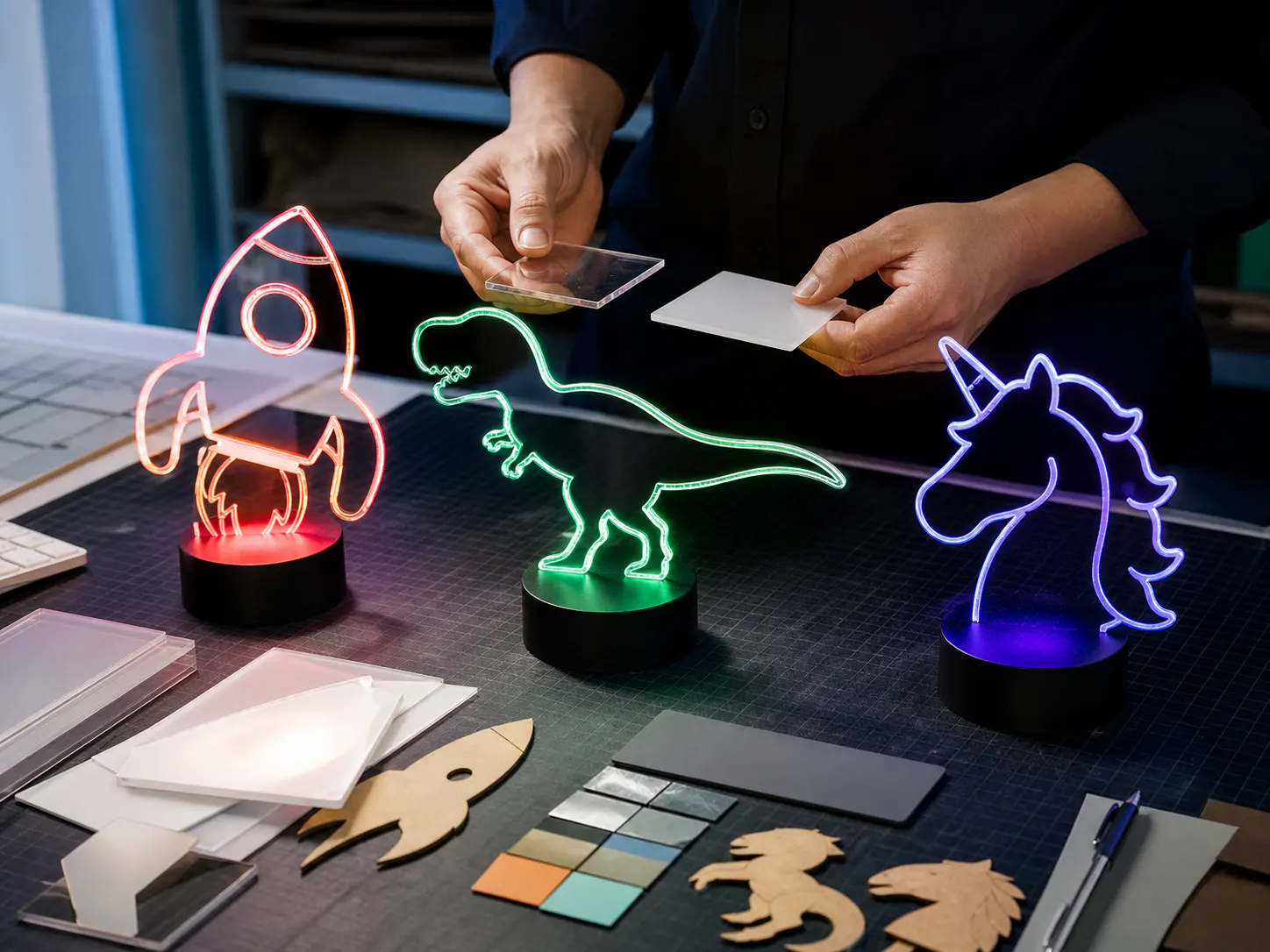
How to Write an RFQ for Custom LED Fluorescent Boards
A disciplined RFQ turns a creative product idea into a comparable supplier request with controlled assumptions, evidence requirements, and decision dates.
Read article
Which Use Cases Is a LED Acrylic Drawing Board Best Suited For?
A practical buyer guide to LED acrylic drawing board uses decisions, with clear questions for product fit, specifications, proof, and everyday care.
Read articleWhich Use Cases Is a LED Drawing Board Best Suited For?
A practical buyer guide to LED drawing board uses decisions, with clear questions for product fit, specifications, proof, and everyday care.
Read article