
How to Substantiate LED Drawing Board Claims Before Publishing a Listing
The direct answer is to classify each express or implied claim, identify the evidence and scope that support it, and remove or qualify unsupported wording before publishing, while avoiding treating supplier copy, customer reviews, an attractive photograph, or a sample inspection as substantiation for an objective or safety claim.
1. Start with what a reasonable shopper may understand
A product claim includes not only the words in a listing but also the overall impression created by images, badges, comparisons, and omissions.
The FTC explains that advertising review considers express and implied claims and the reasonable consumer's likely takeaway. A photograph of a child drawing under a board in a dark room, for example, may imply brightness or ease of use even when the caption says only 'creative play.' The team should list each material claim in text and visuals before publication. Note the placement, audience, product model, and interpretation the shopper could reasonably take away.
A claim inventory helps prevent marketing assets from drifting beyond the tested product. Separate objective statements—dimensions, materials, accessories, power source, mode count, or operating time—from subjective descriptions such as playful design. For every objective or safety-related statement, identify evidence before the ad runs. A supplier's assertion, a competitor listing, a review excerpt, or a visually compelling render is not a substitute for appropriate substantiation.
FTC guidance says advertisers should have a reasonable basis before a claim runs. The basis depends on the claim and context. A team should therefore capture the precise consumer takeaway, not rely on an internal note that merely says 'factory confirmed.'
- Read text and images together.
- List the product, audience, and likely takeaway.
- Flag objective, safety, performance, and environmental claims for review.
2. Build a claim-to-evidence matrix for every SKU
A good matrix records the exact claim, the product version, the evidence source, its scope, limits, reviewer, and next review date.
Use one row per claim, not one row per product page. Useful columns include the exact wording, implied visual message, target market, applicable SKU or family, evidence file, test method or source, date, result, scope limitations, approving owner, and approved channels. For a shaped board, a claim about the included marker set should identify which assortment is covered. A claim about illumination should state the feature actually documented, not a broad performance result inferred from a photo.
Evidence can take different forms depending on the claim: a controlled specification may support a dimension; a packaging record may support included contents; an appropriate test may support a performance claim; and a legal or laboratory review may be needed for regulated safety claims. Record what the evidence does not establish as well as what it does. This prevents a report for one board shape or component from being reused for every model without review.
A statement can be implied by an image even if no sentence makes it explicitly. For example, an unlabelled extra marker pack or a dramatic illumination edit can change what a reasonable buyer thinks the included set does. Keep visual review in the claim workflow.
- Make claim scope SKU- and market-specific.
- Link source records rather than copying conclusions without context.
- Record exclusions and evidence expiry or change triggers.

3. Verify performance, durability, and comparison statements
Performance claims need evidence that measures the claimed result under defined conditions and for the same product version being advertised.
If a listing says a board has multiple light settings, the product record should identify the exact control and supported modes. If it states a runtime, the evidence must define power source, settings, conditions, sample scope, and method. Do not infer brightness, eye comfort, durability, or battery duration from a single sample demonstration. Likewise, a comparison such as brighter, longer-lasting, or easier to clean needs a named baseline and fair, documented comparison method.
A buyer can ask the factory for relevant specifications and an agreed test plan. A factory functional check can confirm an observed feature on inspected units, but the record should say what was checked, how many units, and under what acceptance criteria. It should not be repackaged as a laboratory result or a claim of long-term durability unless the method supports that conclusion. Marketing should use the narrowest accurate wording the evidence supports.
A supplier specification is useful for factual product properties but does not automatically support a comparative, health, child-development, or safety promise. Map the level of evidence to the type and risk of the claim and involve an expert when needed.
- Define a method, sample, and condition for each performance claim.
- Name the comparison baseline and measurement.
- Do not generalize a limited factory observation into a broad guarantee.
4. Review safety, age, and educational wording with extra care
Safety and child-development claims deserve specialist scrutiny; neither a supplier statement nor positive customer feedback proves them.
The FTC warns that objective safety claims need adequate support, and specialized product rules may apply. Phrases such as safe for all ages, eye-safe, non-toxic, or guaranteed to improve learning can carry significant meaning. A marketer should not use such language because it sounds reassuring or appears in a marketplace template. Confirm the exact legal and testing basis, the age group, and the conditions represented. A label or certificate for a different model should not be used to imply coverage of the current board.
If the intended customer is a parent, teacher, or retailer, use factual wording that describes observable product features and instructions. Do not turn a classroom activity into an unverified developmental outcome. If a legal warning is required, make sure it matches the approved compliance record and target market. Ask qualified safety and regulatory professionals to review safety claims before listing launch, and retain the exact files and approvals they reviewed.
For comparison claims, save the comparator model, date, market, settings, and test method. Do not compare a new board with a competitor's photo or an old product page without confirming equivalent conditions and substantiating the conclusion.
- Route safety and age claims to product compliance.
- Avoid developmental promises without appropriate evidence.
- Match warning language to the approved market and configuration.
5. Handle recycling and environmental claims separately
Environmental language should state whether it concerns the product, a package layer, or both, and be supported for the relevant market and actual disposal conditions.
The FTC Green Guides explain that broad, unqualified environmental-benefit claims can mislead and that recyclability statements may need qualification based on access to appropriate facilities. A board's acrylic panel, LED base, markers, and retail package are different materials; a claim about one package component should not imply that the entire set is recyclable. Identify the exact layer, local collection context, and evidence supporting a recycled-content or recyclability statement before using it.
The EU's PPWR is a separate evolving framework with phased requirements that began applying in August 2026. Do not treat FTC guidance as EU law or an EU packaging file as proof of a U.S. consumer claim. A multi-market brand should use a claim matrix by jurisdiction and language. If the evidence only supports a narrow fact—such as the material of an outer box—say precisely that instead of converting it into a broad green message.
If a customer review is reused, confirm permission, authenticity, disclosures, and whether the seller is making a broader claim by featuring it. An anecdote may describe an individual's experience but does not prove an objective average or safety result.
- Distinguish package and product claims.
- Verify local recycling access and the support for each statement.
- Maintain separate market reviews for U.S. and EU claims.
6. Treat images, reviews, and endorsements as claim-bearing content
Photos, videos, customer reviews, and influencer statements can communicate product claims and should be reviewed under the same evidence discipline as headline copy.
A product image may imply what is included, how the board lights, how large it is, how a child should use it, or what effect it produces. Compare every visual to the approved sample and packaging. Make sure accessories in a lifestyle scene are actually included or clearly identified as props. If an influencer repeats a performance or safety claim, the seller remains responsible for its advertising impression and disclosures; a testimonial alone does not establish an objective claim.
Use a content-rights and claims checklist before reusing retailer assets. Track who supplied the photograph, which model it depicts, the date, crop, translation, and any retouching. A photo of an early sample may not represent production. Keep the source image and final approved asset linked, and request a new image set if the board's shape, base, accessories, or pack changes.
For environmental statements, distinguish the acrylic product, electrical base, marker accessories, retail package, and shipment packaging. A material description is not the same thing as a claim that the complete product is recyclable or environmentally superior.
- Check implied claims and included contents in each visual.
- Keep the original asset, revision, and approval record.
- Review endorsements and disclosures as advertising, not independent proof.
7. Use a pre-launch and change-control review
The final approval should verify that copy, images, evidence, package, and product configuration tell the same truthful story in each channel.
A cross-functional review can include product, sourcing, quality, marketing, legal, and marketplace operations. Before launch, compare the listing to the latest approved sample, specification, lab evidence where relevant, pack, and channel restrictions. Note claims that are omitted because evidence is incomplete. Assign a date to re-check claims after a supplier change, formulation revision, new test, new market, new age presentation, or platform edit. Save the final content proof with an owner and decision record.
For a product update, do not patch one page and assume all channel feeds are current. Maintain a claim register with where each statement appears—website, marketplace, catalog, sales sheet, packaging, video, and distributor portal. Notify downstream sellers when evidence or product scope changes. A change review can preserve valid statements while pausing only those claims affected by the revision.
A content owner should preserve the evidence version available when each asset was approved. This supports later retailer requests and allows a brand to retire a claim if the underlying product or evidence changes.
- Check copy against the current sample and evidence.
- Record approval, channel, market, and date.
- Reopen review when an evidence or product input changes.
8. Conclusion: publish only what the record can support
A disciplined claim review protects buyers by matching each product-page statement and visual impression to evidence for the exact LED board configuration and market.
The most reliable workflow is a short claim inventory, claim-to-evidence matrix, cross-functional review, and revision trigger. It is more useful than generic assurances or unsupported benefit language. Keep safety and legal conclusions with qualified reviewers, and do not suggest a sample inspection proves a claim it was not designed to evaluate. The resulting page can still be persuasive by clearly showing the shape, included contents, controls, setup, and verified specifications.
For a LumDigi product listing, share the target market, sales channel, selected shape, base and accessory configuration, and draft claim or image in question. We can help confirm supplier-controlled product facts and arrange a sample reference. Your brand and compliance advisers decide which consumer claims can be published and what substantiation is required.
Factory photo review can verify that an image corresponds to a selected sample. Keep the process honest by noting whether the image is a sample, a production item, a mockup, or a digitally edited illustration.
- Inventory claims.
- Match each one to evidence.
- Publish the reviewed wording and keep the proof current.
Frequently asked questions
What is a product advertising claim for an LED drawing board?
It includes express words and messages reasonably implied by images, comparisons, demonstrations, and omissions. Review the complete consumer takeaway, not only the headline.
Can a supplier's statement prove that a board is safe or eye-safe?
Not by itself. Safety claims can require appropriate product-specific testing and expert review. Do not publish a broad claim without substantiation for the exact product and market.
Can I call the packaging recyclable if the box is cardboard?
Do not assume so. Identify which component the claim covers, check evidence and local disposal conditions, and obtain market-specific review for consumer-facing wording. The same review should cover package inserts, protective sleeves, and any mixed-material features that appear with the board. Keep the claim limited to the supported component and use any required disposal qualifier for the destination market.
What should I send LumDigi for a claim review?
Send the market, channel, SKU, selected board configuration, draft wording or image, and the exact fact you need verified. LumDigi can confirm supplier-held product details; your brand's compliance reviewer decides claim substantiation. Include the sample revision, accessories shown, power arrangement, and the date the supporting record was created. If a claim is intended for more than one retailer or language market, identify each destination so the review can flag where a separate wording or qualifier check may be needed. Keep the final approved copy and the evidence version together in your own release file.
Image planning for this topic
These notes document the role and intended context of the two visuals used in this guide.
Show a buyer decision context for How to Substantiate LED Drawing Board Claims Before Publishing a Listing.
- Placement
- hero
- Caption
- A brand reviewer compares proposed listing language with the product and evidence file.
- ALT text
- LED drawing board product claims evidence B2B buyer review
View AI image direction
Photorealistic documentary photograph for a LumDigi B2B article about How to Substantiate LED Drawing Board Claims Before Publishing a Listing. A U.S. ecommerce brand editor and product compliance reviewer compare a draft listing on a laptop with a shaped LED acrylic drawing board, a blank evidence matrix and neutral product photographs on the table; realistic small brand office, no readable claims, no fake lab certificate. Real acrylic texture, candid commercial setting, landscape composition, no readable logos, no certificates, no text overlay, no watermark.
Show practical factory or shipment-review context for How to Substantiate LED Drawing Board Claims Before Publishing a Listing.
- Placement
- after-key-considerations
- Caption
- Factory staff demonstrate the identified sample while the buyer records factual product details.
- ALT text
- LED drawing board product claims evidence Chinese factory review
View AI image direction
Photorealistic documentary photograph for a LumDigi B2B article about How to Substantiate LED Drawing Board Claims Before Publishing a Listing. Chinese factory product staff demonstrate the exact LED drawing board sample while a buyer photographs its base, markers and unlit surface for factual product imagery; Asian staff in a real sample room, neutral documentary photography, no claims or readable labels. Real acrylic texture, candid commercial setting, landscape composition, no readable logos, no certificates, no text overlay, no watermark.
Turn the article into a practical sourcing brief
Use the checkpoints above to document the product, evidence, packaging, and approval decisions relevant to your market. A clear brief helps suppliers respond to the same commercial question and gives your team a traceable basis for the next step.
Useful external references
- FTC: Advertising FAQs for Small Business
Official overview of truthful claims and evidence for express and implied advertising claims.
- FTC: Advertising and Marketing
FTC business resources on substantiation, children, reviews, and marketing.
- FTC: Environmental Claims and Green Guides
Official resources for product and packaging environmental claims.
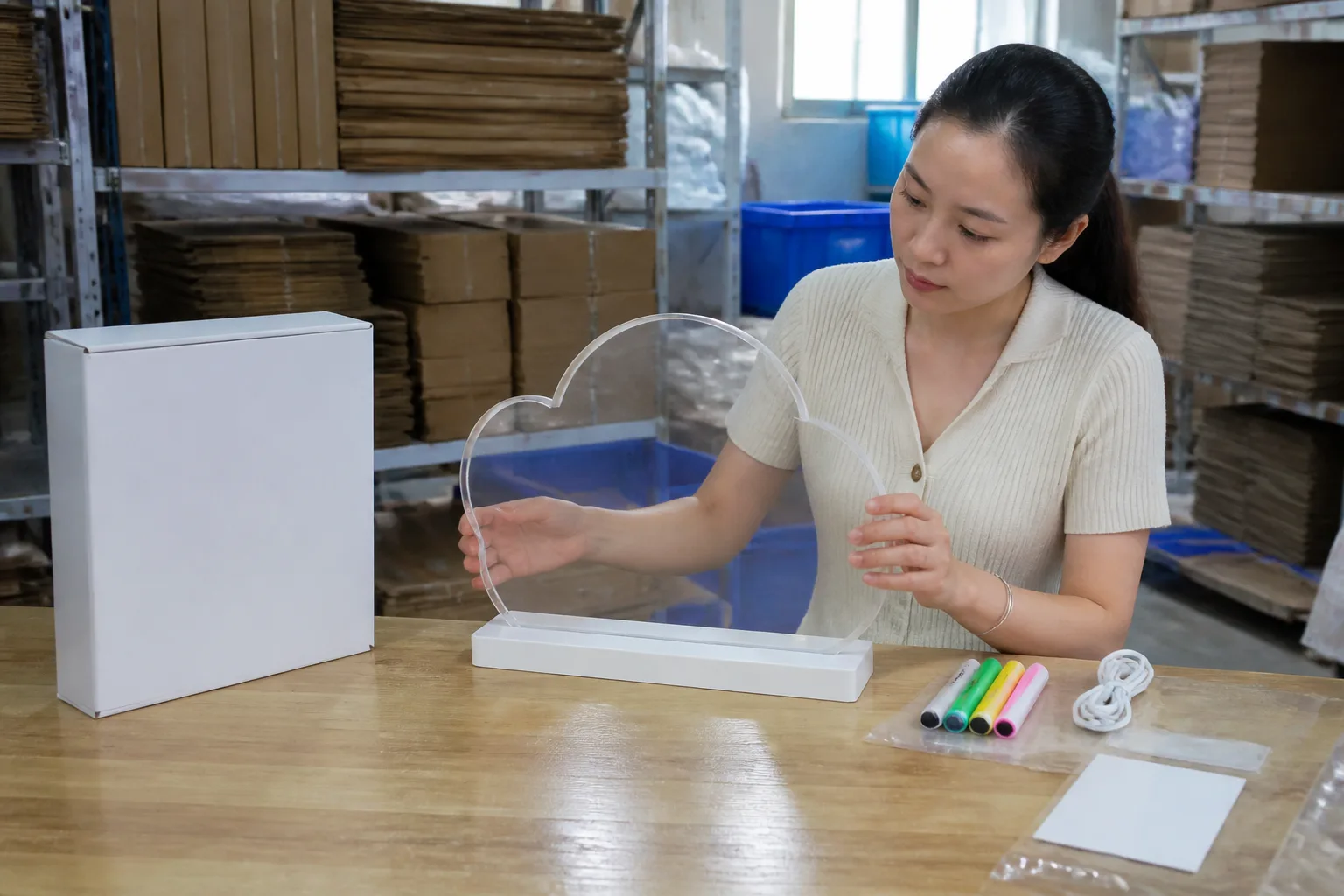
LED Drawing Board Marketplace Image Compliance Guide for Sellers
A practical buyer guide for e-commerce sellers, marketplace teams, distributors, and private-label brands who need to create a marketplace image pack from the approved SKU, product facts, packaging, and buyer-controlled channel requirements.
Read article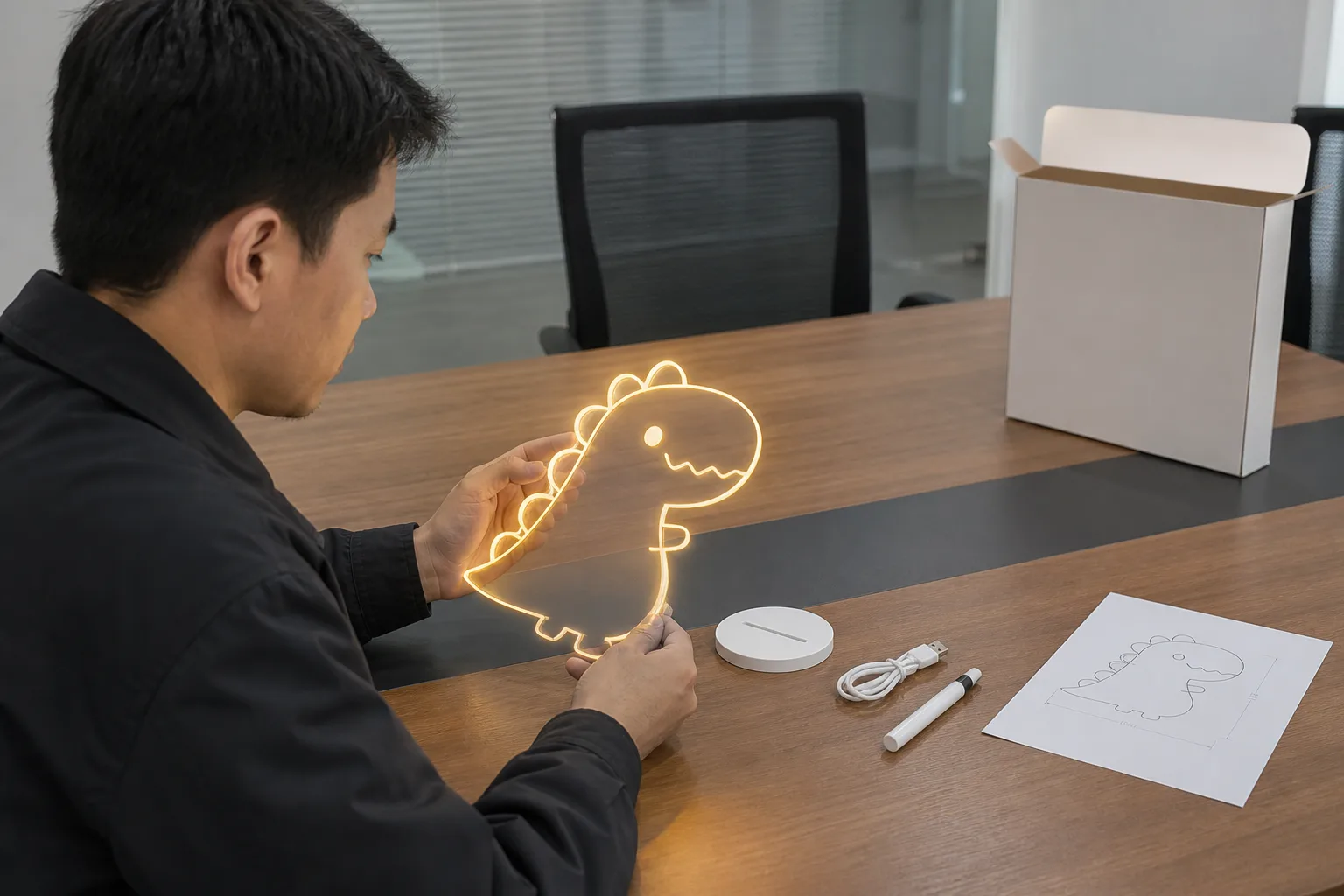
LED Drawing Board Retailer Data Sheet Guide for B2B Suppliers and Buyers
A practical buyer guide for retail buying teams, e-commerce sellers, distributors, and brand operations teams who need to create one SKU-level data sheet that connects product, pack, images, contents, and buyer-owned market information.
Read article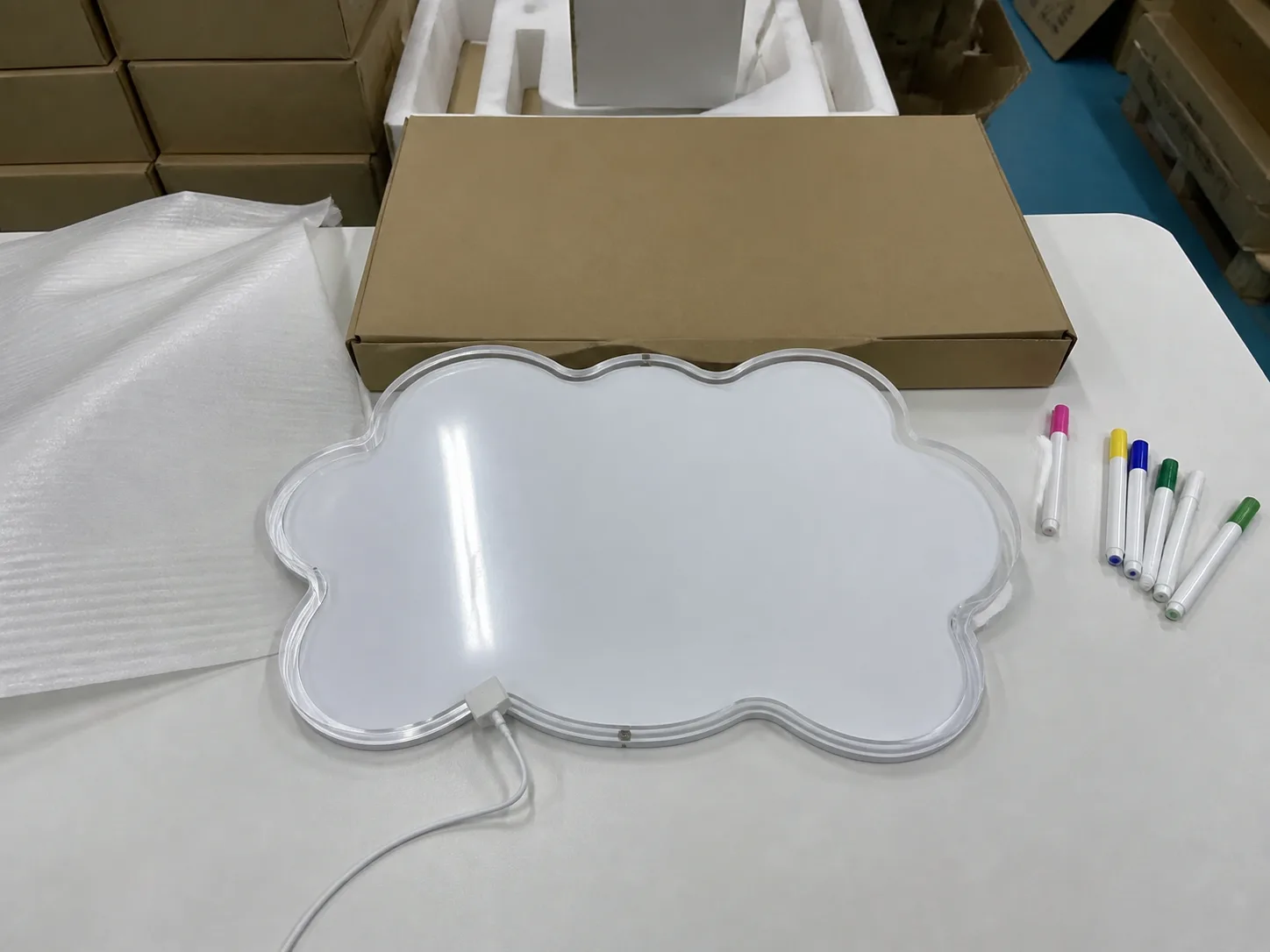
LED Drawing Board Product Image Version Guide
A practical B2B guide for importers, distributors and private-label teams who need to make a controlled sourcing decision using the approved board, pack, sample and evidence.
Read article
India BIS Toys Quality Control Order: A Sourcing Guide for LED Drawing Boards
A B2B buying guide for Indian toy importers, distributors, brands, and foreign manufacturers supplying India who need to screen the product and factory against the current BIS Quality Control Order, standards, licensing scope, and shipment timing before approving an India launch.
Read article