
Philippines PS Mark vs ICC: A BPS Route Guide for LED Drawing Board Buyers
The direct answer is to verify current BPS product scope first, then coordinate the appropriate PS or ICC process with the Philippine applicant, while avoiding assuming that every children's product is covered by the same mandatory BPS scheme or that a supplier's report is an ICC certificate.
1. Confirm BPS scope before comparing routes
The Philippine BPS says mandatory certification applies to products listed under its schemes. Start with the current list and the exact product description; do not infer coverage from the word toy or LED.
The route decision begins with scope, not a mark. Gather the board's intended use, age presentation, product category, function, materials, power arrangement, accessories, and likely tariff description. Ask the importer or broker to verify the current BPS list and applicable Philippine National Standard. If the product is not clearly listed, request written scope clarification from BPS or a qualified local adviser before ordering a mark or promising a market launch. Consult the official the Philippines resource alongside the exact product facts.
A shaped acrylic drawing board may be marketed in different ways, and an electrical accessory can raise a separate question. Keep the board, base, adapter, batteries, marker set, and packaging identified as individual parts of the offered set. Supplier documents can support classification by describing the goods; they do not decide the legal product category.
Product taxonomy is not established by a commercial invoice alone. The invoice description should be accurate, but the importer should also provide design and marketing evidence if the classification question depends on intended play.
The product owner should assign a single local contact to coordinate the BPS query, broker classification, and supplier file. This avoids conflicting requests that lead the factory to prepare several descriptions for the same model.
Do not ask a supplier to issue an ICC certificate; it is an import-side process. Ask for the evidence and product facts that the Philippine applicant needs to prepare its request.
- Use exact intended use and full-set description.
- Check the latest mandatory list and standard with BPS.
- Separate scope questions for the board and included electrical items.
2. Understand PS licensing versus ICC certification
BPS describes PS as a license scheme associated with a manufacturer and product compliance; ICC is an import clearance route for covered imported products. The correct route depends on listing and applicant facts.
The BPS overview describes the PS Quality and/or Safety Certification Mark License and the Import Commodity Clearance scheme as different mandatory certification processes. The PS route is tied to a manufacturer and its factory/product evidence under the relevant standard. ICC is issued to an importer for an imported consignment after the process described by BPS. These labels should not be treated as interchangeable certificates or as choices the overseas seller can make without the local applicant. Use an identified model such as the Star LED Fluorescent Board and confirm its current supplied configuration before applying this workflow.
If a foreign manufacturer already has a PS license, the Philippine importer should ask BPS whether the exact model, factory, and shipment can use the applicable process and what clearance or exemption record is required. If the product is not licensed under that route, the importer should ask whether ICC applies. Get the answer tied to the current BPS list and specific transaction.
A PS license or ICC certificate should be checked for the issuer, holder, validity, scope, product, and factory. Retain a copy and document who verified it with BPS.
For a mixed-SKU carton, list each board silhouette and electrical setup in the packing record. Batch or serial summaries should reflect identifiers actually present in the goods; do not create traceability language that the product does not support.
If the product is outside a mandatory list, save the list version and written basis for the conclusion. Also check other applicable consumer, customs, electrical, and marketplace rules separately.
- Ask which applicant holds the authorization.
- Tie any existing license to factory and exact model.
- Confirm what evidence accompanies the shipment.
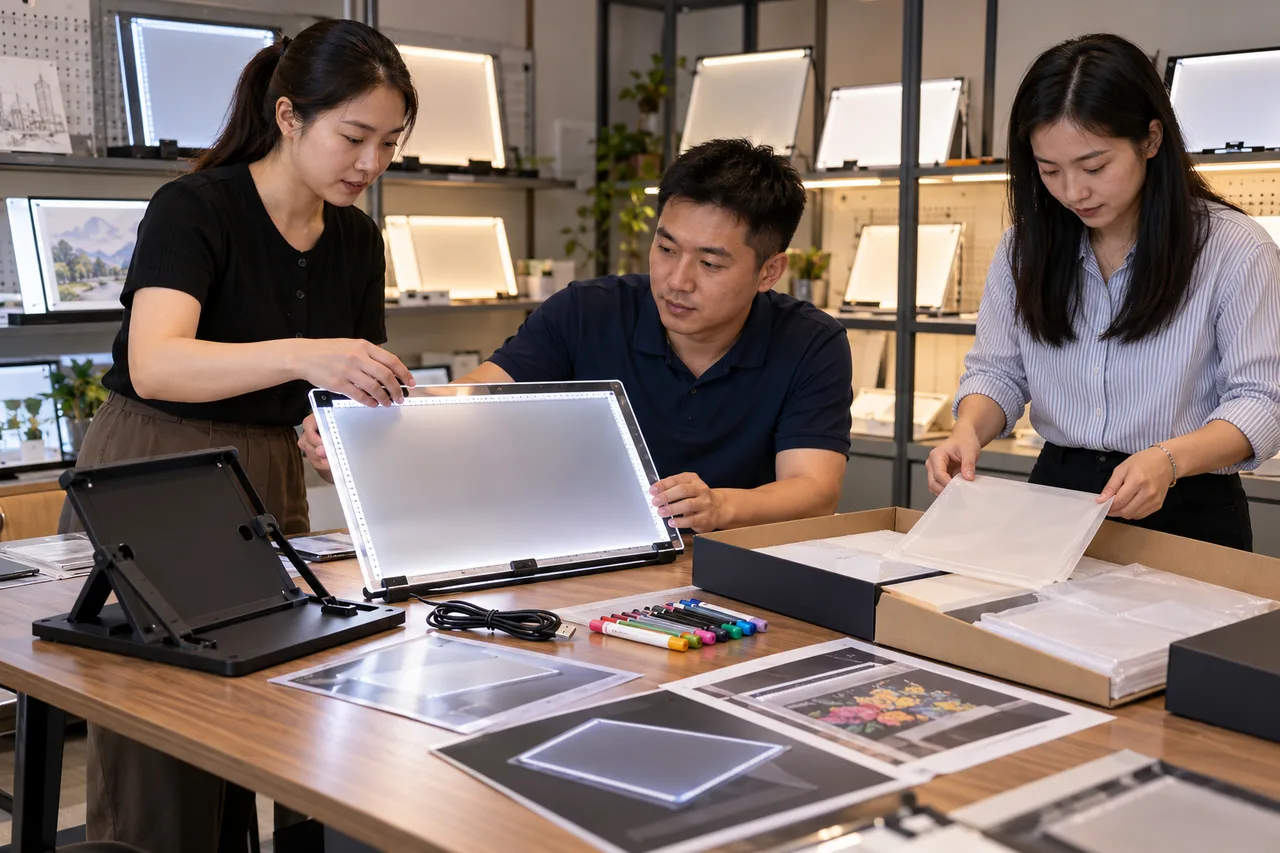
3. Build a document pack around the local applicant
BPS lists importer and shipment information among ICC requirements, including invoice, packing list, transport document, import entry, batch or serial information, and product evidence where relevant.
Evidence for the the Philippines review
The official application page provides document lists that vary by scheme and product. For an importer, prepare business registration and authorization records as specified by BPS, commercial invoice, packing list, bill of lading or airway bill, import entry when required, and a batch/serial summary if applicable. Confirm which items are due at filing and which are required before release; the current official instructions control.
Ask the factory for the exact model, materials, components, product photos, package revision, production-lot identification if available, and relevant test report. Record who issued every document and whether it names the actual model. Do not describe a test report as a certificate or invent batch identifiers for products that do not carry them.
The authorized representative should keep document versions separate from working drafts. Give the freight agent only the approved shipment pack and a contact for questions.
Artwork should not depict an ICC sticker or PS mark until the relevant authorization is documented. Placeholder marks can be accidentally sent to print, so use a clearly watermarked internal proof and controlled release folder.
For private-label products, include brand, model and importer identifiers in the approved pack register. Separate customer-owned artwork from factory manufacturing identifiers.
- Download the current BPS checklist for the chosen route.
- Identify the Philippine applicant and authorized representative.
- Reconcile invoices, packing details, product model, and sample.
4. Plan markings only after route and scope confirmation
For products covered by mandatory certification, BPS describes a PS mark or ICC sticker requirement before distribution. Confirm the approved marking location and the exact product/pack before artwork release.
Do not print a PS logo or reserve space for an ICC sticker based only on a supplier's email or another item's packaging. Confirm scheme, product coverage, authorized mark format, and placement with the responsible Philippine party. BPS explains that marks may appear on the product or, where permitted, packaging, with corresponding packaging available for verification in specified circumstances.
The retail proof should match the product set and the local decision. Check board shape, model name, supplied power source, included markers, warnings, importer details, and all mark artwork. Keep an approved PDF and sample photograph under one revision number so production and inspection can confirm the version.
For products using batteries rather than USB power, capture cell type, accessibility, supplied quantity, and package presentation. Ask whether that change affects the applicable standard or filing.
When a recognized laboratory is proposed, the importer should confirm recognition for the relevant scope, not just laboratory reputation. Ask the lab whether it tested the exact product arrangement and whether BPS accepts the report for the selected process.
A pre-shipment check should state sample size, observed fields, and date. It should not imply that an independent BPS inspection occurred unless that inspection actually took place.
- Use marks only after authorization and scope confirmation.
- Check legibility and location against current instructions.
- Retain the approved file and matching packed sample.
5. Review test reports without overstating them
BPS indicates that the ICC process can involve product testing by its laboratory or a BPS-recognized laboratory. Ask for the required standard, sample identity, report scope, and acceptance before relying on a report.
An external laboratory report is evidence only for the sample, model, standard, and tests it identifies. Confirm the lab recognition route and whether the report is acceptable for this application. Check model labels, electrical configuration, age grade, materials, and packaging against the shipment. A different adapter, battery compartment, LED base, or plastic component can make an old report a poor match even if the product name is similar.
A factory functional check can record whether a named sample lights under a defined setup, whether the panel fits its base, and whether the pack contains agreed items. It cannot replace required laboratory tests, BPS review, or the importer's certification process. Keep observation records clearly titled and scoped.
A shipment can include consumer units, spare markers, demonstration units, and replacement bases. Identify each purpose and quantity to avoid an inaccurate all-toy or sample label.
If an inspection report identifies a damage or missing component, open a corrective-action record and determine whether the issue affects conformity evidence or only commercial acceptance. Keep those decisions distinct.
Use the same product code on sample images, report references, order documents, and listing assets where practical. Where no code exists, create a buyer's reference and label it as an internal identifier.
- Verify report issuer, standard, sample, date, and scope.
- Do not equate factory checks with product certification.
- Escalate any model mismatch before shipment.
6. Align pre-shipment evidence to the BPS transaction
Pre-shipment checks should confirm the order identity, package, quantity, and documents requested by the buyer; Philippine certification and customs release remain decisions for the responsible authorities and importer.
For each order, tie the purchase order, approved sample, carton marks, invoice description, packing list, and any BPS reference to the same product code. If there are several shapes or power variants, list them separately rather than grouping them under a vague family name. The importer should tell the factory which identifiers need to appear in shipment photos and records.
If inspection finds a variation, record the facts and get the buyer's written disposition. Do not conceal a substituted cable or changed carton as a clerical issue. The importer should determine whether it affects the BPS file or shipment process, with appropriate authority advice where necessary.
If a test report is in a factory name that differs from the brand or importer, ask BPS whether a relationship or authorization document is needed. Do not assume the naming difference is immaterial.
Before launch, compare the listing images and consumer copy with the physical sample, pack, and included items. A correct regulatory file does not fix misleading channel content.
Document questions about the applicable standard edition and any transition period. Do not rely on an old supplier report without checking the present BPS instruction.
- Set a shipment-document owner in the Philippines.
- Inspect against the agreed sample and purchase order.
- Escalate changes before the goods leave the factory.
7. Use a focused BPS enquiry for unresolved products
A good scope enquiry includes clear photos, use, age presentation, components, power details, materials, packaging, and an initial tariff description. Ask BPS to confirm the current route rather than assuming it.
Prepare one concise product dossier: front and side photos, operating setup, full contents, packaging artwork, proposed age and claims, model, power item, bill of materials, and intended channel. State what is uncertain, such as whether an included USB supply changes the product classification. Provide the importer and applicant details required by BPS and retain the written response in the project file.
This approach helps procurement avoid premature orders for a mark or test. It also gives the factory a specific list of facts to confirm. The Philippines BPS website and local product specialists should be checked again before each new shipment because lists, application instructions, and standards can change. This article is informational, not legal advice.
Keep the official source links, date checked, local adviser conclusion, and unresolved questions in a record that the purchasing team can see before placing the next order.
Revisit the route when the importer changes, model changes, intended age changes, or the BPS list is updated. A prior shipment is useful history, not automatic permission for a new configuration.
This guide organizes importer questions but does not determine Philippine legal classification or replace BPS direction.
For the Philippines, first confirm whether the exact product is on the current BPS mandatory list. Then distinguish the manufacturer-linked PS licensing path from the importer-focused ICC process and follow BPS instructions for the actual model and shipment.
- Ask one question per uncertain component or transaction.
- Attach product facts rather than generic catalogue pages.
- Reconfirm the route for a changed model or importer.
Frequently asked questions
Is an ICC sticker required for every LED drawing board imported into the Philippines?
No universal conclusion should be drawn. Check whether the exact product is covered by the current BPS mandatory certification list and confirm with BPS or a local adviser.
What is the practical difference between PS and ICC?
BPS describes PS as a certification-mark license and ICC as an import clearance route for covered imports. The correct applicant and process depend on product scope and current BPS rules.
Can a supplier test report serve as an ICC certificate?
No. A report is supporting evidence; an ICC certificate is an importer-side BPS process. Verify report scope and acceptance with BPS.
What should the buyer send to BPS for scope clarification?
Provide model photos, intended use and age, full components, power details, materials, packaging, importer details, and the specific scope question.
Image planning for this topic
These notes document the role and intended context of the two visuals used in this guide.
Show a buyer decision context for Philippines PS Mark vs ICC: A BPS Route Guide for LED Drawing Board Buyers.
- Placement
- hero
- Caption
- Illustrative AI-generated photograph: A Philippine buyer compares the product description with a route checklist before requesting BPS guidance.
- ALT text
- Philippine importer reviewing a shaped LED drawing board and BPS route checklist
View AI image direction
Photorealistic documentary photograph for a LumDigi B2B article about Philippines PS Mark vs ICC: A BPS Route Guide for LED Drawing Board Buyers. Photorealistic documentary photograph in a Manila importer office: an adult Filipino product buyer compares a shaped clear acrylic LED drawing board with two plain folders representing different certification routes, a laptop with a neutral blurred page, no legible words. Natural window light, practical commercial review, real acrylic reflections, landscape 3:2. No BPS logo, PS mark, ICC sticker, certificate, readable text, watermark, or text overlay. Real acrylic texture, candid commercial setting, landscape composition, no readable logos, no certificates, no text overlay, no watermark.
Show practical factory or shipment-review context for Philippines PS Mark vs ICC: A BPS Route Guide for LED Drawing Board Buyers.
- Placement
- after-second-section
- Caption
- Illustrative AI-generated photograph: Chinese factory staff assemble model and shipment facts requested for a Philippine importer’s product review.
- ALT text
- Chinese factory team preparing LED drawing board product information for a Philippine buyer
View AI image direction
Photorealistic documentary photograph for a LumDigi B2B article about Philippines PS Mark vs ICC: A BPS Route Guide for LED Drawing Board Buyers. Photorealistic documentary photograph in a Chinese export sample room: Chinese/Asian adult staff organize an LED drawing board, base, USB cable, markers, product photos, and blank shipment document sleeves for a Philippine buyer. Candid teamwork, realistic workbench, soft factory light, landscape 3:2. No readable documents, fabricated approval, government marks, logos, watermark, or overlay. Real acrylic texture, candid commercial setting, landscape composition, no readable logos, no certificates, no text overlay, no watermark.
Turn the article into a practical sourcing brief
Use the checkpoints above to document the product, evidence, packaging, and approval decisions relevant to your market. A clear brief helps suppliers respond to the same commercial question and gives your team a traceable basis for the next step.
Useful external references
- Philippine BPS Product Certification
Official overview of the PS licensing and ICC certification schemes and covered products.
- BPS PS and ICC Application Requirements
Official application document lists for PS and ICC processes.
- BPS PS and ICC Marks
Official explanation of marks for products covered by mandatory certification.

Importer-to-Customs-Broker Product Data Handover for LED Drawing Boards
A B2B buying guide for importers, customs brokers, and sourcing managers who need to send one version-controlled product and shipment packet that answers the broker's questions and identifies open decisions.
Read article
How to Compare LED Drawing Board Wholesale Quotations
A practical B2B guide for procurement teams deciding between supplier offers who need to compare quotations on like-for-like scope and make visible the product, packaging, evidence, and commercial assumptions behind each headline figure.
Read article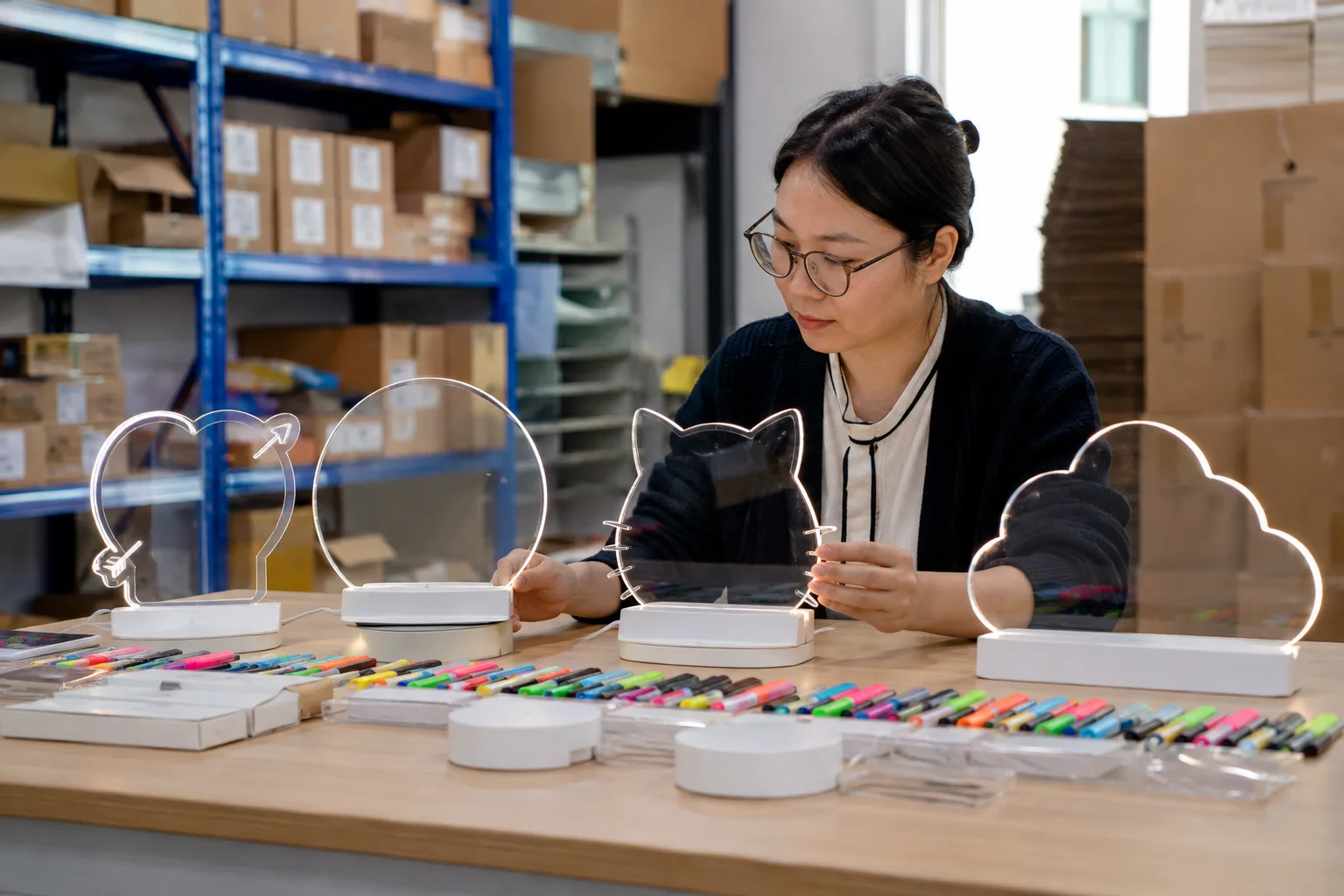
LED Drawing Board Buyer Sample Matrix Guide
A B2B buying guide for importers, product developers, and private-label teams who need to create a sample matrix that ties each observed product variation to its evidence, purpose, and approval status.
Read article
Indonesia SNI for LED Drawing Board Toys: A Buyer Scope and Standards Guide
A B2B buying guide for Indonesian toy importers, distributors, category buyers, and local product owners who need to verify the current mandatory-SNI list and exact product/HS scope, then request evidence for the relevant toy standards and importer process.
Read article