
South Africa NRCS Scope Screening for LED Drawing Board Importers
The direct answer is to check current compulsory specifications for the board and any power unit, then confirm the import route with NRCS or a qualified local adviser, while avoiding assuming every LED product needs an LOA or that a foreign certificate automatically substitutes for local requirements.
1. Check the compulsory specification before asking for an LOA
NRCS approval duties depend on whether the item falls under a current compulsory specification or other applicable requirement. A shaped LED board is not automatically subject to an LOA because it contains an LED; screen the exact product and supplied components.
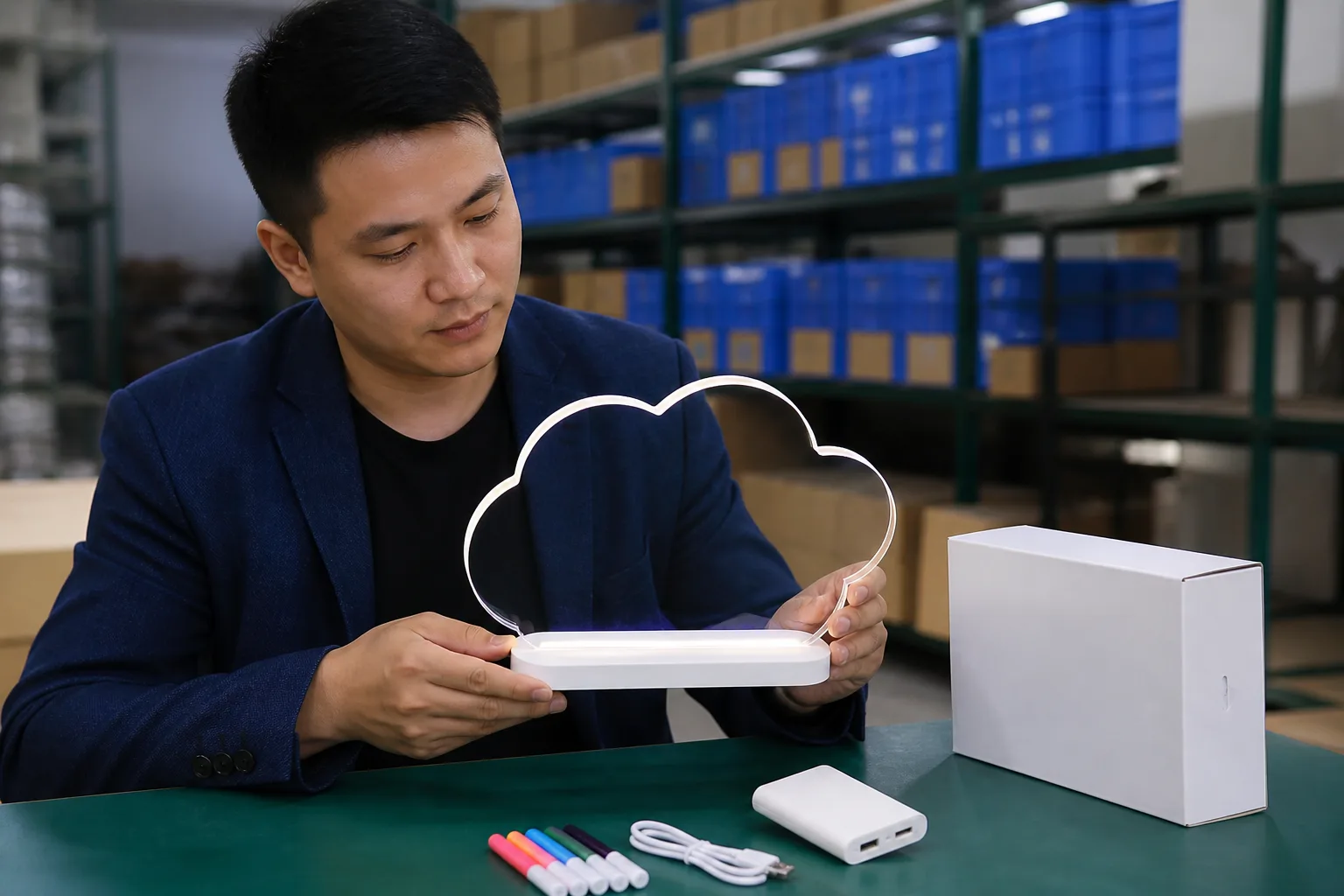
Inventory the retail set: acrylic board, LED base, cable, adapter if included, batteries, markers, and package. Note input ratings, intended age, claims, and channel. Compare these facts with official NRCS definitions. If a possible match appears, ask NRCS or a South African specialist to confirm scope and the current application steps for that item.
Do not ask the factory to issue an LOA. The importer handles local applications and evidence. The supplier can provide specifications, sample images, and reports it actually holds but cannot decide how the authority classifies the product. Record source, date, and written conclusion; leave uncertainty open until a qualified local party resolves it.
NRCS materials cover different regulated sectors. A broad sector page starts a search; it is not a product-specific determination.
Start with NRCS definitions, not a search snippet. Save pages consulted and date. If no direct match appears, ask a specialist whether another category or component route matters before treating the item as outside scope.
The buyer should ask the South African adviser whether the product definition used in an NRCS list includes the item by function, voltage, or intended user. Product descriptions from a foreign catalogue may use terms that differ from the local specification, so submit photographs, markings, and the technical sheet together.
- List packed components and ratings.
- Check current NRCS specification definitions.
- Get local confirmation for uncertain scope.
2. Understand when a Letter of Authority may be relevant
NRCS describes product approvals and LOAs for goods under applicable compulsory specifications. The importer verifies whether the model is covered and follows current application requirements; a supplier declaration is not an LOA.
If covered, identify manufacturer, model, applicant, and evidence NRCS requests. A local route may require product details and conformity material. Confirm whether the application covers the complete board, an adapter, or another item. Requirements differ across specifications, so do not copy a checklist from another electrical appliance or toy.
Before ordering, set a regulatory milestone. Confirm who applies, which reports are acceptable, whether a sample is required, and what the approval covers. Do not claim NRCS approval unless the named model is supported by a current record. If the product is outside a specification, that does not prove no other consumer or customs rules apply.
A board and adapter may raise different questions. Ask the importer to screen each part and the set as sold.
Identify the South African entity importing goods and any local representative or broker. Applications and entry documents may be linked to a particular applicant, supplier, and product description, so clarify commercial roles early.
If no approval is requested for a particular shipment, preserve the basis for that operational decision. A broker's release on one consignment does not necessarily establish that the product is outside all future requirements. Keep the customs result separate from product-safety scope and repeat the check when circumstances change.
- Confirm applicant and model scope with NRCS.
- Use evidence required for the applicable specification.
- Avoid unsupported approval claims.

3. Screen board and power parts separately
A low-voltage board and a separately supplied AC adapter can raise different regulatory questions. Document each item's identity, rating, source, and sales arrangement, then confirm whether a current South African specification covers it.
Specify if the board uses batteries, buyer-provided USB, a supplied cable, or a packed adapter. Record ratings and component models from actual parts. A catalogue image may show an accessory that is not included. Make purchase-order contents explicit and give the local reviewer the final listing and package, not a concept sketch.
If one component requires separate approval, confirm whether it may be sold as part of the set and which documents accompany it. An adapter report does not cover the board automatically. A material report likewise does not establish whole-product scope. Link each evidence item to its precise component.
If a specification requires an LOA, verify current application steps and eligible evidence before shipment.
For an adapter, request a photo of its rating label and exact model. USB is not enough to identify a supply. Keep substitutes or buyer-provided components visible in the record and listing, then ask the local reviewer about scope.
Agree how supplier technical documents will be updated when materials, components, or a factory changes. Identify the person who sends notices and the importer who assesses impact. This is more useful than a general statement that the supplier follows quality procedures, because it creates a specific trigger and record.
- Separate board, base, adapter, cable, and battery facts.
- Match reports to the part and model tested.
- Confirm optional/buyer-supplied items in the actual sale.
4. Assemble evidence linked to the saleable model
Evidence should identify model, sample, test scope, issuing body, and date. Confirm it meets NRCS requirements for the applicable specification and represents the product to be imported.
Prepare product description, model list, dimensions, power data, components, photographs, instructions, package, and available reports. State each report's coverage and limitations. Ask the assessor whether foreign reports are accepted; do not assume acceptance because a document is in English or bears a familiar laboratory logo.
Factory checks and pre-shipment inspection are useful quality evidence when method and result are recorded, but are not automatically conformity assessments. Ask the relevant body which evidence is required and who must issue it. Keep reports aligned with sample, production base, and packed accessories. If construction changes, ask whether evidence must be updated.
Foreign reports can help, but acceptance depends on the South African route and assessment.
When foreign reports are proposed, review accreditation, standard, sample identity, and date with the relevant South African body. Do not infer local recognition from a foreign approval logo. Retain written confirmation of which records support the route.
For private-label goods, the South African brand may control the public claim while the importer controls entry. Make both roles visible in the project tracker. Confirm who approves warning language, product descriptions, and any approval reference, and who provides the broker with current records.
- Keep identifiers consistent across evidence and sample.
- Confirm acceptable issuer and report type locally.
- Do not present factory checks as certification.
5. Build a useful supplier questionnaire
Ask the supplier for verifiable facts that help screen scope, not for a guarantee of local approval. Request manufacturer identity, product variants, ratings, components, sample version, available reports, and change-notification process.
Send destination, channel, claims, shape, power option, pack, and order configuration. Request specifications, photos of markings, parts list, and reports with scope. Make the supplier identify optional items and confirm the sample matches the quote. Ask how design, material, and component changes are communicated.
Set a clear response boundary. The factory can confirm that a sample uses a particular base or cable; it should not answer whether an LOA is legally required. Give technical facts to the importer or adviser who owns interpretation. If a report is unavailable, state that and let the buyer decide whether new laboratory work is required.
A factory sample or checklist records what the supplier reviewed; it does not establish NRCS acceptance.
A questionnaire should collect existing facts without coaching answers. Ask for site, model, components, marking photos, and report scope. Avoid leading prompts such as confirm no LOA is needed, which invite a response beyond supplier expertise.
A sample acceptance sheet should say whether it covers workmanship, illumination, pack contents, or only appearance. Keep this narrow scope beside any lab report or local letter. The distinction helps sales staff answer a buyer without presenting a quality inspection as regulatory certification.
- Ask for dated technical information.
- Request report scope and model tested.
- Keep local regulatory advice with importer.
6. Plan timing, shipment, and document control
Resolve scope before freight booking. Place any approval and evidence collection before production release, then confirm import and shipment steps with the local importer and broker.
Build milestones for scope review, sample, technical file, lab assessment, application, artwork, production, inspection, and customs handoff. Timing depends on NRCS process and specification, so avoid a fixed lead-time promise. Assign owner and fallback. If the route is uncertain, set a decision date before dispatch is committed.
Keep the approved sample, package, report, LOA if issued, invoice, packing list, and shipment references in a version-controlled folder. Confirm model and company names match. At shipment inspection, record checked items and exceptions. Freight paperwork cannot replace approval required by a compulsory specification.
Keep revisions represented in each report. A component substitution should trigger review.
Shipment inspection can verify defined features, carton count, and package revision. It cannot establish legal status or guarantee customs release. Keep findings, regulatory evidence, and freight paperwork linked but distinct.
When a product is outside a compulsory specification, ask whether other consumer-protection, labeling, customs, or marketplace requirements still apply. A scope screen answers one question, not every market-entry question. Route adjacent issues to the proper local specialist instead of broadening the NRCS conclusion.
- Resolve scope before production or freight commitment.
- Use current NRCS instructions and timing.
- Reconcile model and shipment records before dispatch.
7. South African importer's release checklist
Confirm specification search, local scope conclusion, required evidence and applicant, configuration match, package/listing consistency, and shipment-document owner. If an item is outside a listed scope, document the finding without calling it universal approval.
Ask which specification could apply; whether it covers the board or a component; if an LOA is required; which applicant and reports are acceptable; whether the report identifies the model; whether adapter details are correct; if package matches sample; and what the broker needs. A written answer makes later reorder review faster.
Repeat screening after product, power, age, claim, importer, or channel change. Save official links and check dates. For questions outside the importer's expertise, seek local legal or conformity advice. The workflow supports a sourcing decision but cannot guarantee acceptance or customs release.
Check destination listings and packs against approved contents so customers are not shown excluded accessories.
If the product changes after local advice, compare old and new configurations. Ask whether specification, report, or LOA changes. Review before shipping a new base or adapter under an old model record.
- Tie conclusion to product version and date.
- Separate regulatory approval from inspection and freight paperwork.
- Reopen review after material changes.
Conclusion: use NRCS scope rather than product-name assumptions
The South African importer should check current compulsory specifications for the board and power supply. Only after scope is clear should the buyer plan an LOA or other conformity evidence.
A clear file makes regulated and non-regulated decisions easier to explain. Record what was checked, which model and components were considered, who advised, and which source was used. Keep supplier facts separate from local approval conclusions and ensure shipped goods remain the reviewed version.
For a LumDigi South Africa project, share model, power, accessories, intended use, packaging, and importer questions. We can provide supplier-held specifications and sample details. NRCS and the local importer or adviser determine scope, approval, and entry obligations.
This guide is not legal advice. Obtain current NRCS or local conformity guidance for the product and transaction.
Document a conclusion that a specification does not apply as scoped, not as a universal exemption. State product, components, list searched, reviewer, date, and assumptions; revisit when facts or official requirements change.
A documented scope decision is useful only for the facts it considered. Keep the product definition and source search with the conclusion, and clearly label assumptions such as a buyer-provided adapter or particular age claim. If those assumptions change, ask the South African adviser to review the revised sale before relying on the old file.
- Check current scope first.
- Request evidence applicable to the model.
- Do not promise LOA or exemption without authority-backed confirmation.
Frequently asked questions
Does every LED drawing board need a South African NRCS LOA?
Not necessarily. LOAs relate to applicable compulsory specifications. Check current NRCS scope against the exact product and components with the importer or local adviser.
Could an adapter be regulated separately?
It may raise a separate scope question. Identify model, rating, supplier, and inclusion in the retail set, then confirm current local requirements.
Can a foreign test report be used?
Do not assume acceptance. Ask NRCS or the relevant body whether issuer, standard, model, and scope meet the applicable route.
What should a supplier provide?
Request factual model, component, rating, sample, packaging, and report information. The South African importer determines scope and local approval.
Image planning for this topic
These notes document the role and intended context of the two visuals used in this guide.
Show a buyer decision context for South Africa NRCS Scope Screening for LED Drawing Board Importers.
- Placement
- hero
- Caption
- A South African importer screens an LED board and power configuration against a local product checklist.
- ALT text
- South African buyer reviewing a clear acrylic LED drawing board and import scope notes
View AI image direction
Photorealistic documentary photograph for a LumDigi B2B article about South Africa NRCS Scope Screening for LED Drawing Board Importers. Photorealistic editorial photograph in a Cape Town importer's office: adult South African buyer examines a shaped clear acrylic LED board and neutral product-scope checklist with unreadable text, bright natural light, real office, landscape 3:2. No NRCS logo, LOA, certificate, readable text, watermark, or overlay. Real acrylic texture, candid commercial setting, landscape composition, no readable logos, no certificates, no text overlay, no watermark.
Show practical factory or shipment-review context for South Africa NRCS Scope Screening for LED Drawing Board Importers.
- Placement
- after-key-considerations
- Caption
- Chinese factory staff record a board sample and technical details requested by an overseas buyer.
- ALT text
- Chinese factory employees documenting an LED board sample and power configuration
View AI image direction
Photorealistic documentary photograph for a LumDigi B2B article about South Africa NRCS Scope Screening for LED Drawing Board Importers. Photorealistic documentary photo in a Chinese factory sample area: Chinese/Asian adult employees document a shaped LED board, base, cable, and materials for an overseas buyer, plain work table, candid realistic work, natural industrial light, landscape 3:2. No NRCS or certification logos, readable documents, fake results, watermark, or overlay. Real acrylic texture, candid commercial setting, landscape composition, no readable logos, no certificates, no text overlay, no watermark.
Turn the article into a practical sourcing brief
Use the checkpoints above to document the product, evidence, packaging, and approval decisions relevant to your market. A clear brief helps suppliers respond to the same commercial question and gives your team a traceable basis for the next step.
Useful external references
- NRCS: Imports and exports
Official importer/exporter overview, including product approvals and Letters of Authority where applicable.
- NRCS: Compulsory specifications
Official explanation of compulsory specifications and technical regulations.
- NRCS: Protecting the consumer
Official overview of regulated sectors, including electrical and electronic goods; exact product scope still requires review.
LED Drawing Board USB Power and Cable Sourcing Guide
A practical buyer guide for importers, private-label buyers, and product teams who need to select the power arrangement and supplied cable around the approved board, base, destination, channel, sample, and packed set.
Read article
LED Drawing Board Import Documentation Questions B2B Buyers Should Ask
A practical B2B guide for importers and commercial buyers preparing destination-market review who need to ask clearer product, supplier, and document questions while leaving legal, regulatory, testing, and market decisions to appropriately qualified parties.
Read article
How to Choose an LED Drawing Board Base for Retail and Private Label
A B2B buying guide for retail buyers and private-label teams who need to compare base options against the approved panel, use case, pack, and sample evidence.
Read article
LED Drawing Board Marker Replenishment Guide for Retailers
A B2B buying guide for retailers, distributors, and ecommerce sellers who need to plan marker replenishment around the approved board, marker set, package information, and customer-support process.
Read article