South Korea KC Safety Confirmation for LED Drawing Board Toys: A Model-Based Buyer Checklist
The direct answer is to obtain a Korean product-category decision for the exact model and prepare representative samples before production release, while avoiding assuming a similar KC mark or one model's report covers every shape, base, accessory, or age presentation.
1. Determine category from age, use, and construction
Korean KC obligations depend on product category and conformity route. A board marketed as a children's toy raises scope questions, but age, intended play, design, materials, and power items must be reviewed under current rules by the responsible Korean business.
Make a factual brief before requesting a certificate. Describe intended activity, age claim, shape, dimensions, acrylic panel, base, light source, input, batteries, markers, and instructions. Include Korean listing copy and package artwork where available. The reviewer needs the marketed product, not simply the factory name or English product title. Educational positioning does not automatically exclude toy rules when the item is designed and presented for play.
Ask the importer or Korean compliance service to map the exact product to current KATS categories. Do not decide from another board's KC mark: construction, age, or contents may differ. Keep the conclusion linked to the model and channel, with the source date. If a product contains an adapter or battery pack, show whether it ships in the Korean retail set or is bought separately.
A product advertised to children can raise classification questions even if a supplier calls it educational. Present actual claims and instructions for local review.
A Korean scope request should show the product as customers see it. Provide age language, intended play, instructions, marketplace description, and accessories. A neutral technical sheet without marketing context may omit facts that help a local professional determine the children's-product category.
A Korean test plan should be agreed before production deadlines become fixed. Ask the local lab what configuration it expects and how a variant is documented. If it recommends a family approach, preserve that advice and list the included models; do not make the grouping decision internally based on similar appearance.
- Provide the full consumer presentation and actual pack.
- Treat age and intended play as review facts.
- Have a Korean responsible party identify the applicable category.
2. Understand the Safety Confirmation workflow
For products subject to Safety Confirmation, Korean guidance describes designated-laboratory testing followed by filing a confirmation report. The responsible manufacturer or importer uses the prescribed process; a generic supplier declaration does not replace it.
Government service information identifies application materials such as business registration, product description and photographs, and the test report, with testing by an appropriate designated institution. Confirm current requirements and eligible applicants before preparing the file. The result is model- and category-specific. Ask the local reviewer what model variants may be grouped instead of assuming every shape shares one report.
Plan testing before approving production. The importer should identify the final sample, package, instructions, age statement, and power configuration to the laboratory. If the sample changes after testing, ask whether evidence remains representative. Do not place a KC mark on a mockup or carton before the responsible Korean party verifies the route and authorization.
Government forms and guidance change. Confirm current applicants, institutions, documents, and model requirements before ordering tests.
Before choosing tests, confirm who is eligible to submit and which designation applies to the institution. Do not rely on a reseller's claim that a report is KC ready. Confirm acceptance, language, model naming, and filing with the actual Korean service or designated body.
The importer should also check who retains the report, for how long, and how a retailer can verify its relevance without receiving confidential technical data. Prepare a controlled summary that states model, scope, issue date, and responsible contact while keeping the full report accessible to the authorized local team.
- Confirm the product is in the Safety Confirmation category.
- Ask the institution about representative sample and method.
- Keep the filed model aligned with production.
3. Control model identity across shapes and revisions
Treat shape, base, power, material, accessories, and age presentation as attributes to assess. Do not assume a report for one identified model covers every related SKU without confirmation from the Korean test body or authority.
Build a matrix of each shape and changed construction. Note acrylic thickness and finish, base size, LED layout, input rating, cable, battery compartment, markers, and package. The importer can ask the lab whether these are one model family or require separate samples. This is a scope question for the institution, not a purchasing shortcut.
Use revision identifiers on drawings, samples, reports, packaging, and purchase orders. If a supplier proposes a substitution, pause release until the importer determines whether retesting or filing changes are needed. Retain old and new records so retailer questions can be traced. Factory inspection can verify agreed features but cannot amend a Korean test report.
Ask whether shapes and hardware combinations are separate models. Shared branding or appearance does not decide grouping.
Model grouping deserves explicit review for shaped products. Similar bases do not ensure different acrylic geometries, edge finishes, accessories, or age presentations can share a report. Send a comparison table and ask which variants are covered and which need separate samples.
When a consumer complaint or retailer question arrives, model records help identify whether affected stock shares the same tested construction. This is a traceability benefit, not a claim that testing prevents all issues. Maintain links between purchase order, sample, revision, report, and shipment to make a factual investigation more efficient.
- Create a model/variant table before sample submission.
- Link reports to explicit model and revision identifiers.
- Require buyer review of substitutions before production.
4. Prepare samples and technical facts for the laboratory
Before dispatching a board for testing, confirm the body has a representative saleable model, complete accessories, product information, and exact intended age/use. An incomplete sample can leave key questions unanswered.
A handover should include photographs, dimensions, material descriptions, rated input, power source, components, markers, labels, package, and instructions. Identify whether the cable or adapter is supplied. State which options are not part of the reviewed model. Let the laboratory define sample quantity and method; do not substitute an informal factory check for its instructions.
Record who selected the sample, when it was sealed or shipped, documents included, and whether the laboratory accepted the configuration. If additional information is requested, log the affected model. For custom shapes, ask whether geometry changes the assessment. Get the local reviewer to distinguish technical, administrative, and category issues before changing the production plan.
Testing evidence should describe specimen and method. A report without the board or accessory scope may not answer the importer's question.
The test sample should represent the saleable product. If finish, wiring, battery compartment, base, or packaging will change, record it before testing. The buyer and lab can decide whether the sample remains representative, avoiding a report for a version that never reaches stores.
- Send the complete representative set requested.
- Record sample identity and deviations from production intent.
- Do not promise a result or test schedule not confirmed by the lab.
5. Do not confuse conformity routes or foreign documents
Korean conformity schemes differ. KATS materials describe multiple evidence forms for supplier declarations, while children's-product Safety Confirmation has its own scope and process. A foreign report helps only if the applicable Korean route accepts it for the exact model.
Check report issuer, accreditation or designation, standard, model, sample, date, and limitations. Ask the Korean reviewer whether it supports the local application. A document in English or bearing a laboratory logo is not automatically accepted. A report for an adapter may not cover the board; a material report does not establish whole-product conformity.
Separate product-category decision, evidence plan, local filing and mark authorization, and supplier quality acceptance. A board can pass appearance review while filing is incomplete. A filing also does not prove the shipped package matches the assessed model. Assign a responsible owner and release gate to each workstream.
Plan sample transport and test costs with the chosen institution; do not make unconfirmed test schedules into delivery promises.
A foreign report may contain useful data, but local acceptance depends on route, issuer, standard, and scope. Ask the Korean reviewer in writing what can be reused and what new work is needed. Keep limitations visible so component results are not presented as whole-product conformity.
- Check report scope and issuer locally.
- Keep filing separate from factory quality inspection.
- Use marks only after the responsible party confirms authorization.
6. Plan the importer and supplier handoff
The Korean importer owns local filing and product presentation; the factory provides requested technical and sample facts. Define this handoff in the order tracker so testing, labeling, and production release are not treated as one vague approval.
Ask the importer to name who contracts testing, files confirmation, reviews Korean instructions, and authorizes any mark. Ask the supplier to confirm model, base version, power configuration, package revision, and sample status. Agree a record-return format and whether technical records may be shared with the lab. Protect confidential artwork through an agreed process.
At sample approval, compare product to the submitted configuration. At pre-shipment inspection, check identifiers and package revision as agreed. Record deviations, retest requests, or approved exceptions. A shipment inspector documents what was inspected on a date; that role does not issue or renew Korean legal confirmation.
Changes to base, power, cable, batteries, material, or instructions should trigger a review of model identity and evidence.
Supplier change control should specify notification time and affected records. A changed LED module, cable, acrylic specification, or age guidance can matter to the file. Assess it before the next order and retain superseded documents for traceability.
- Name Korean filing owner and supplier contact.
- Agree how technical records and test questions are exchanged.
- Hold release if shipped configuration differs materially.
7. A model-based buyer checklist
A Korean launch file should contain scope conclusion, model matrix, sample record, test-body direction, filing owner, approved Korean artwork, and change control. Tie every conclusion to the exact model and intended use.
Before production, ask: Is the item within a children's-product category? What age and play claims apply? Which variants are covered? Which institution and test method apply? Who files and retains the report? What local instructions are approved? How are component changes reviewed? What blocks production? Complete answers make the purchase order more executable than a generic request for a KC certificate.
Review KATS and government pages before each launch. Rules and administrative guidance change. If model, age, accessory, factory, or seller changes, send updated facts to the reviewer. Save the written decision and never show an unverified KC mark in the listing.
Only the responsible Korean business should authorize local marks and consumer claims after confirming the route.
Korean-language instructions are part of the reviewed offer. Have a competent native-language reviewer check warnings against the actual product and archive the approved version. If sample contents change after translation, compare directions again.
- Get a written model-specific category decision.
- Confirm testing and filing before sample dispatch.
- Match production and listing to the assessed configuration.
Conclusion: make the KC question model-specific
Korean safety review begins with the exact product and category. For a covered children's product, prepare representative samples and complete the applicable local confirmation process before making market claims.
A traceable connection among offer, sample, report, filing, package, and production revision is the best defense against avoidable rework. Distinguish supplier evidence from local legal decisions, and reopen assessment whenever the product changes.
For a LumDigi Korea project, share age/use, shape, base, power, accessories, package, and current questions. We can help confirm supplier-held product facts and sample identity. The Korean importer and its qualified service provider determine category, testing, filing, and marks.
This guide is not legal advice. Refer to current KATS and Korean government information and obtain product-specific review.
At shipment release, the factory can compare the order with an approved sample and record defined checks. This supports quality control; it does not prove every unit was laboratory tested or that an authority accepted filing. Keep inspection scope and legal status distinct.
Before authorizing a Korean launch, retain one decision record that names the model, included items, category conclusion, test body, report status, Korean copy revision, and release owner. If any field remains conditional, keep it visible in the order tracker and do not treat supplier sample approval as closure of the local filing task.
- Scope before marks.
- Follow laboratory sample instructions.
- Keep filed and shipped products aligned.
Frequently asked questions
Does every LED drawing board sold in Korea need Safety Confirmation?
No automatic conclusion should be made. The category depends on product facts, intended use, age, and current rules. Ask the Korean importer or qualified service provider to determine scope.
Is one report enough for every board shape?
Do not assume so. Ask the designated test body or Korean reviewer which variants the model and report cover.
Can the factory apply the KC mark?
The responsible Korean party must confirm the route and authorization. A factory can provide sample and technical records, not an unsupported legal conclusion.
What should accompany a sample?
Provide model identity, full pack contents, power details, intended age/use, photos, instructions, and packaging according to the test body's directions.
Image planning for this topic
These notes document the role and intended context of the two visuals used in this guide.
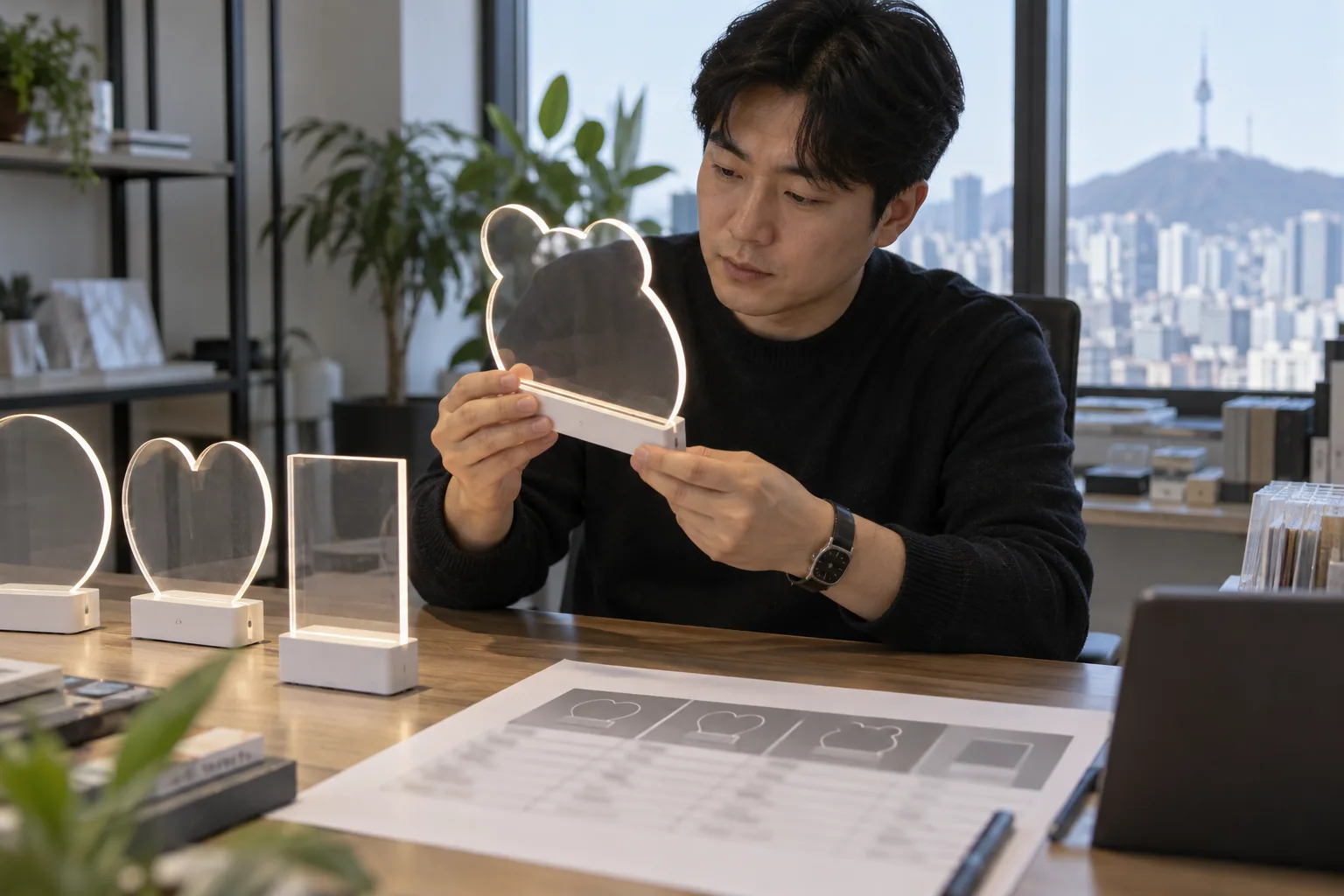
Show a buyer decision context for South Korea KC Safety Confirmation for LED Drawing Board Toys: A Model-Based Buyer Checklist.
- Placement
- hero
- Caption
- A Korean importer compares a board model and intended age presentation before seeking a local scope decision.
- ALT text
- Korean buyer reviewing a shaped LED drawing board model and product information
View AI image direction
Photorealistic documentary photograph for a LumDigi B2B article about South Korea KC Safety Confirmation for LED Drawing Board Toys: A Model-Based Buyer Checklist. Photorealistic editorial photograph in a Seoul product office: adult Korean importer examines one shaped transparent acrylic LED drawing board beside a model comparison sheet with writing blurred, neutral daylight, calm technical review, realistic acrylic edges, landscape 3:2. No KC mark, logo, readable document, certificate, watermark, or text overlay. Real acrylic texture, candid commercial setting, landscape composition, no readable logos, no certificates, no text overlay, no watermark.
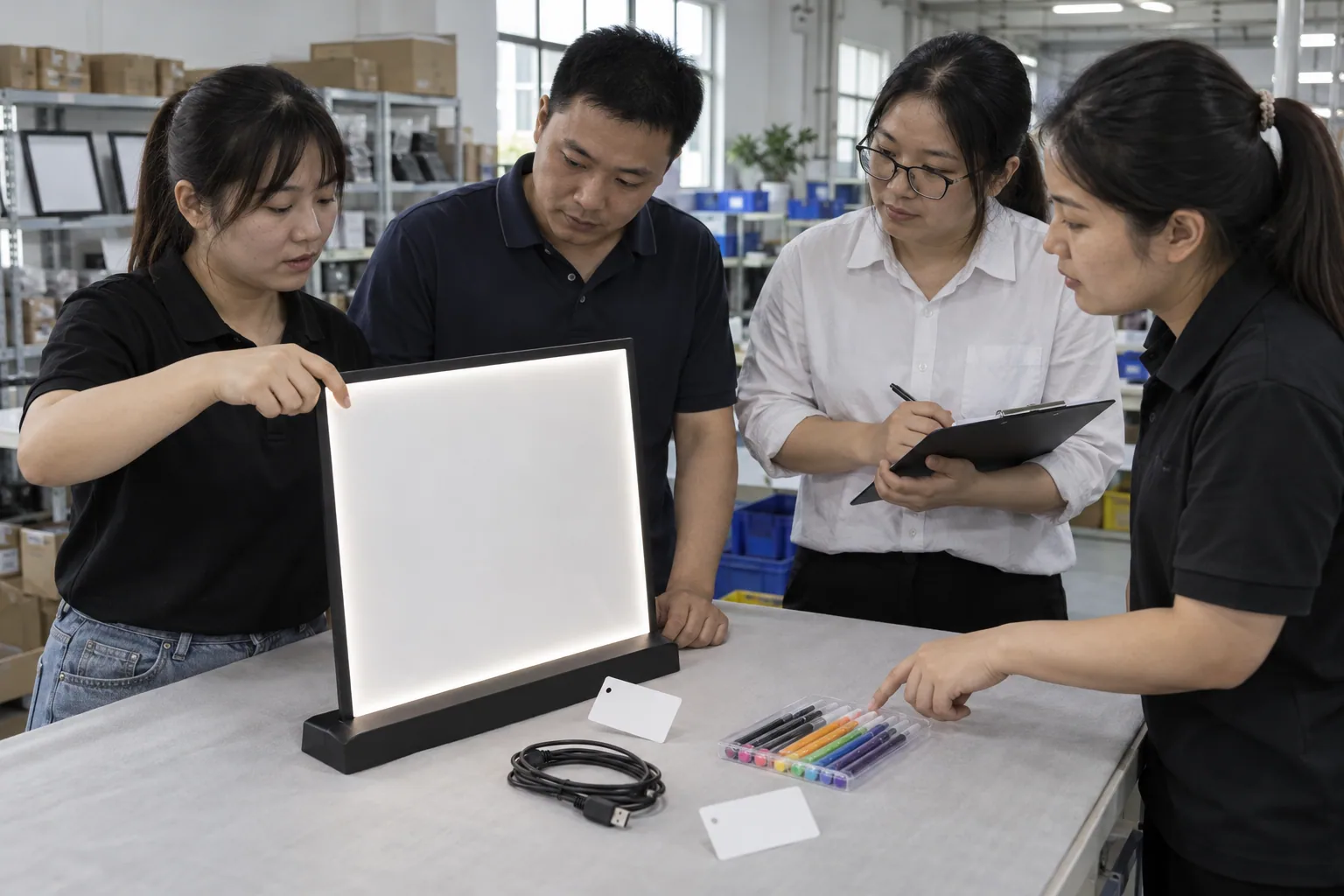
Show practical factory or shipment-review context for South Korea KC Safety Confirmation for LED Drawing Board Toys: A Model-Based Buyer Checklist.
- Placement
- after-key-considerations
- Caption
- Chinese factory staff identify the exact board and accessory sample prepared for Korean review.
- ALT text
- Chinese factory employees identifying an LED board sample and accessories for export review
View AI image direction
Photorealistic documentary photograph for a LumDigi B2B article about South Korea KC Safety Confirmation for LED Drawing Board Toys: A Model-Based Buyer Checklist. Photorealistic documentary photograph in a Chinese factory sample room: Chinese/Asian adult employees identify one LED board model, base, cable, and marker set on a clean table, using blank tags without readable writing. Natural industrial light, candid, landscape 3:2. No KC logo, certification, test claim, readable text, watermark, or overlay. Real acrylic texture, candid commercial setting, landscape composition, no readable logos, no certificates, no text overlay, no watermark.
Turn the article into a practical sourcing brief
Use the checkpoints above to document the product, evidence, packaging, and approval decisions relevant to your market. A clear brief helps suppliers respond to the same commercial question and gives your team a traceable basis for the next step.
Useful external references
- KATS: Safety Confirmation for Children's Products
Official Korean standards agency information for the safety-confirmation route; check current category details.
- Korea Government: Safety Confirmation service
Government service information describing designated-laboratory testing and model-related filing evidence.
- KATS: Supplier's Declaration of Conformity
Official KATS overview of evidence routes; it is not a substitute for identifying the correct product category.
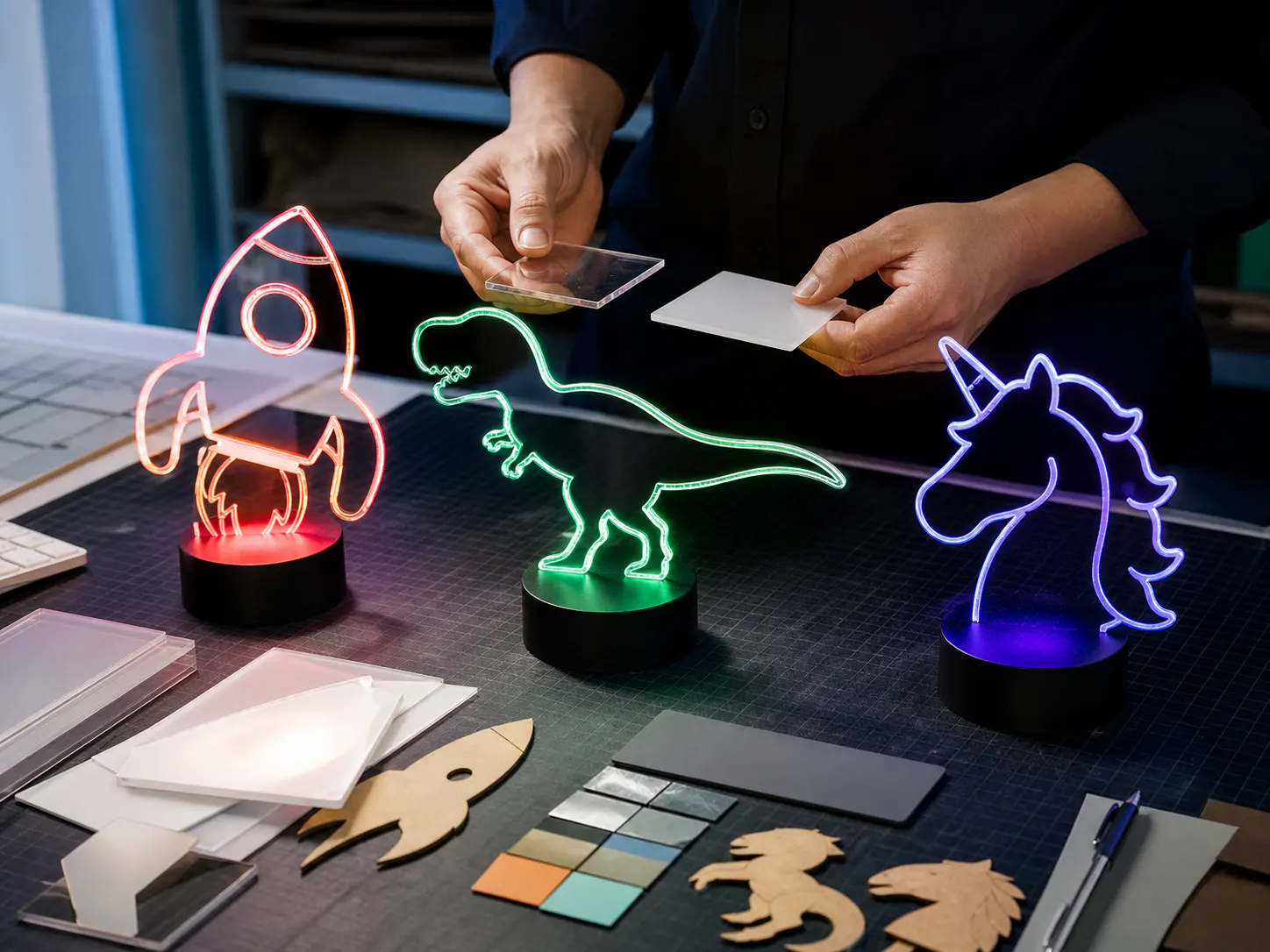
How to Approve a LED Drawing Board Sample Before Bulk Production
A practical B2B guide for buyers approving a production-ready custom or wholesale set who need to turn a loose sample into a controlled product, packaging, and release decision before bulk production is authorized.
Read article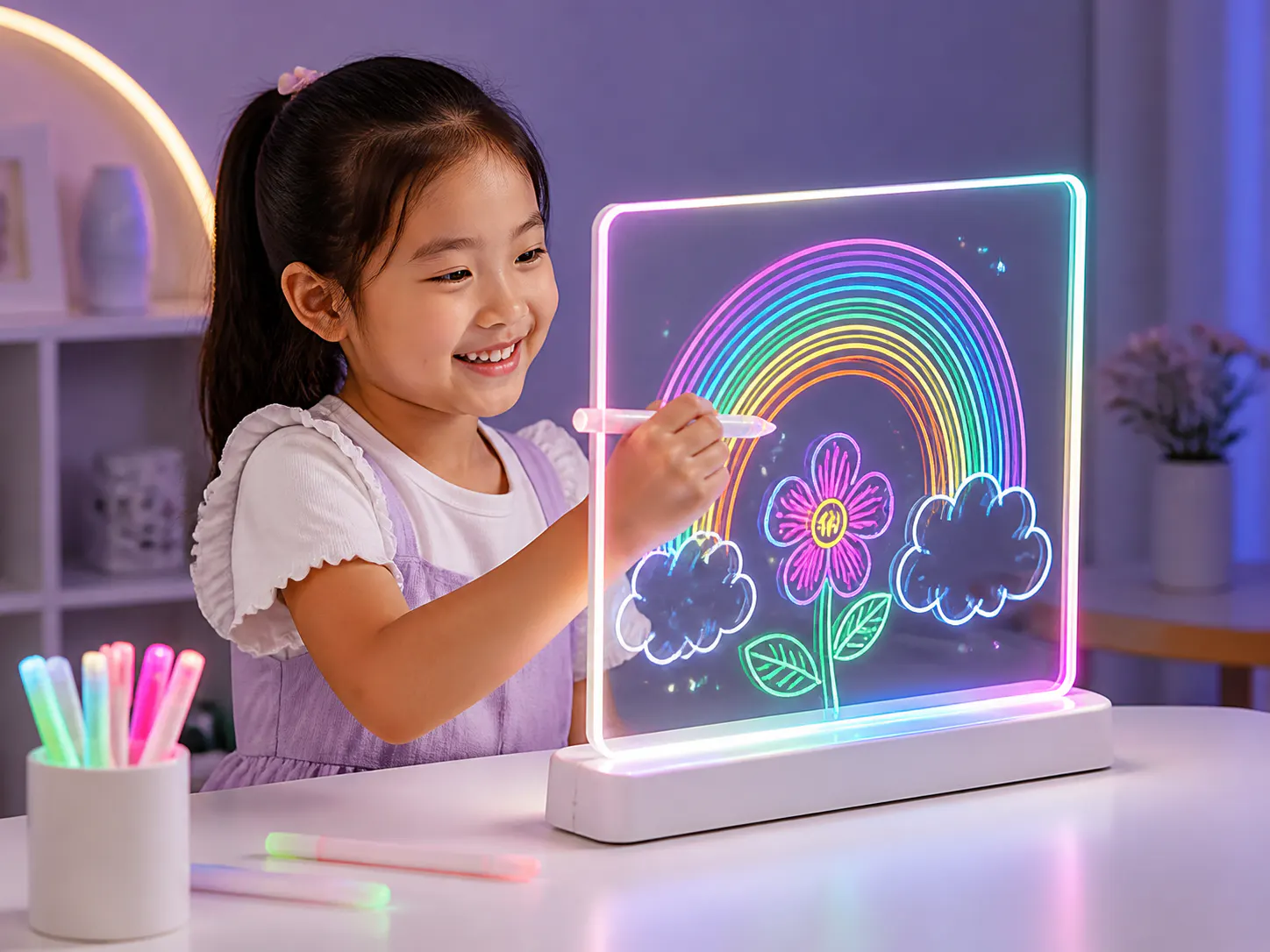
How to Build a LED Drawing Board Product Specification Sheet
A practical B2B guide for B2B teams aligning suppliers, quality reviewers, packaging teams, and sales channels who need to create one readable source of truth for the exact board configuration, set contents, packaging, and verification requirements.
Read article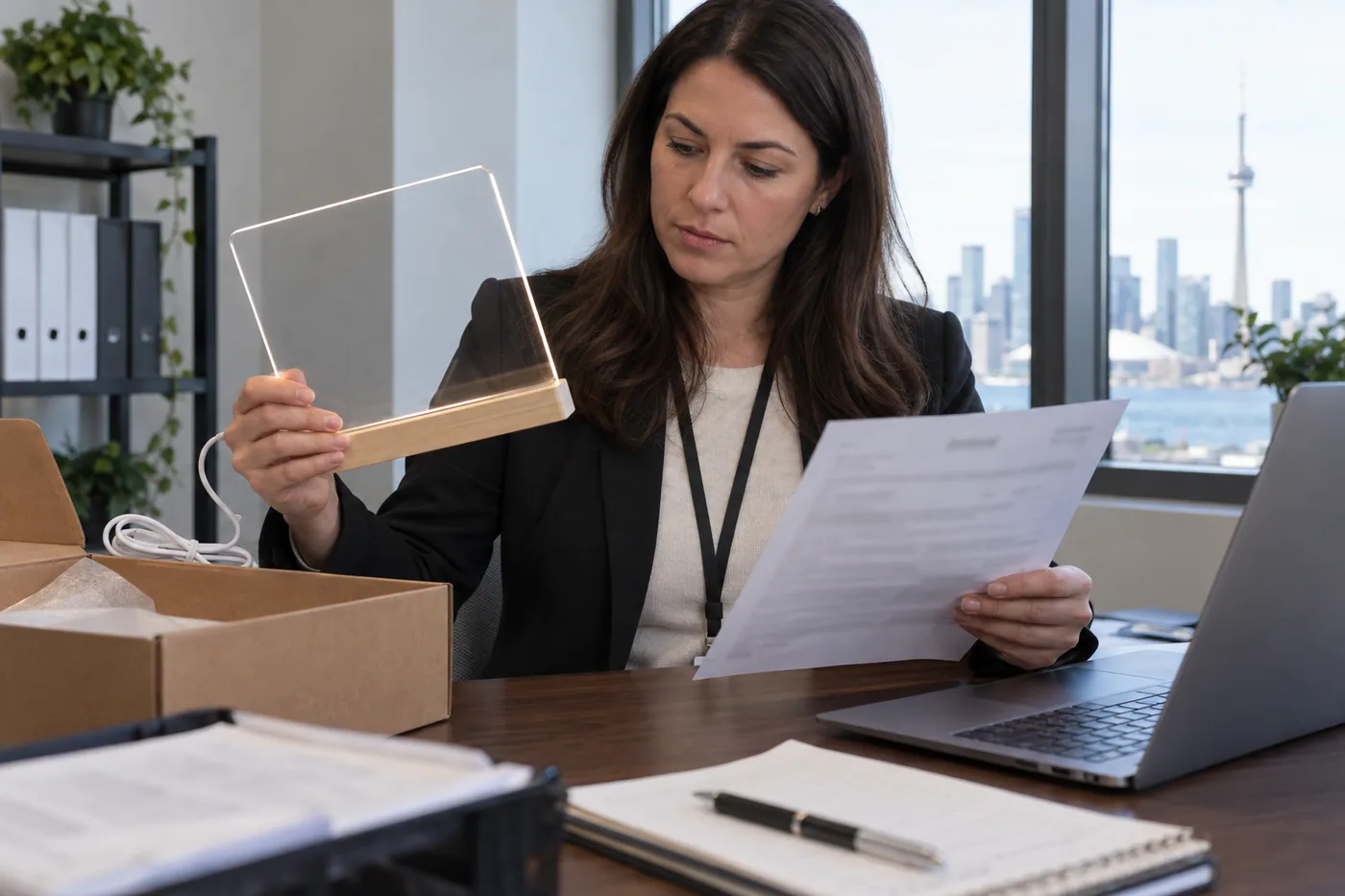
Canada CCPSA Incident Reporting for LED Drawing Board Importers
A B2B buying guide for Canadian importers, distributors, private-label brands, and customer-care teams who need to set up a product-specific complaint intake, escalation owner, supplier notification, and Health Canada reporting decision path before products reach consumers.
Read article
LED Drawing Board Trade Show Demo Guide for B2B Brands
A B2B buying guide for brands, distributors, and trade-show teams who need to prepare a demonstration around the approved board, contents, power arrangement, staff script, and sample record.
Read article