
Taiwan BSMI Toy Inspection in 2026: A Buyer Guide to Scope and Release
The direct answer is to check whether the exact product is a toy and within a mandatory inspection category, then follow BSMI's current procedure and marking rules, while avoiding relying on an old category list, treating every light-up board as the same toy, or applying a safety mark before the BSMI route is confirmed.
1. Classify the marketed product, not just its material
BSMI describes toys by their design, manufacture, sale, display, or labeling for play by children under 14. A clear acrylic panel does not by itself determine whether a drawing board is a toy.
Prepare a plain-language description of what the customer does with the board: drawing, tracing, learning, display, or another activity. Include the intended age, package images, instructions, retail claims, markers, and how illumination is activated. Classification should consider the complete marketed presentation, not a manufacturing material or a keyword in the catalogue. Consult the official Taiwan resource alongside the exact product facts.
If the intended use is ambiguous, do not solve it by changing a title or omitting the word toy. Provide the sample, catalogue, package proof, and product description to the Taiwanese importer and request BSMI guidance using its current item inquiry process. Keep the response connected to the exact model and configuration.
A product described as educational or stationery can still meet a toy definition if the design and presentation are for children's play. Ask for a classification decision rather than relying on a sales label.
Keep a decision record that states the precise product and offer reviewed, official source, procedure selected, applicant, and unresolved assumptions. The record should say whether the conclusion applies to one model or a family.
If a model family shares a base but differs by shape, list the variants explicitly and ask whether BSMI accepts a grouped application. Never assume family coverage from a single tested sample.
In Taiwan, product scope can be influenced by how an item is designed and promoted, so preserve the exact listing draft as evidence. If the buyer later changes the age claim or activity description, ask whether the original classification still fits rather than editing the package in isolation.
- Collect intended-use and retail presentation evidence.
- Include the whole board set and its power accessories.
- Use BSMI's item inquiry path when classification is unclear.
2. Check the current mandatory category and product code
BSMI reports that specified toy categories are subject to inspection before import or factory release. Check the latest product list, standards, and CCC code treatment for the exact goods with BSMI or a local specialist.
The BSMI's August 2026 communication says 31 toy categories are currently subject to mandatory inspection and explains that applicable products must satisfy inspection requirements and bear the Commodity Inspection Mark before domestic sale. That is useful current context, but it does not mean every toy category or every LED drawing board has an identical inspection procedure. Match product facts and current official category documents before selecting a route. Use an identified model such as the Rocket LED Fluorescent Board and confirm its current supplied configuration before applying this workflow.
A broker's tariff code can support an import filing but should not alone decide the product's safety category. Check the product's intended use, material, electrical operation, age presentation, and category description. Keep the code determination, BSMI scope decision, and any customs classification record separate but cross-referenced.
Current official material identifies category breadth and inspection focus, but only the applicable item entry defines the procedure for a particular product. Do not convert a category count into an assumption that every toy uses the same path.
The pack proof, online listing, and sample should show consistent age presentation and intended use. Inconsistent copy may create a classification question even when the physical board is unchanged.
Ask the importer which identifiers should appear on the product, pack, and supporting records. Align those identifiers before artwork is printed.
When a product entry lists several possible procedures, verify whether the importer may choose among them or whether one is prescribed. Ask what documents, sample quantity, and lead sequence apply; do not use another importer’s timeline as a commitment for this application.
- Check current BSMI lists and supporting product definitions.
- Confirm any code-specific item against the current notice.
- Record the date and source for the classification decision.
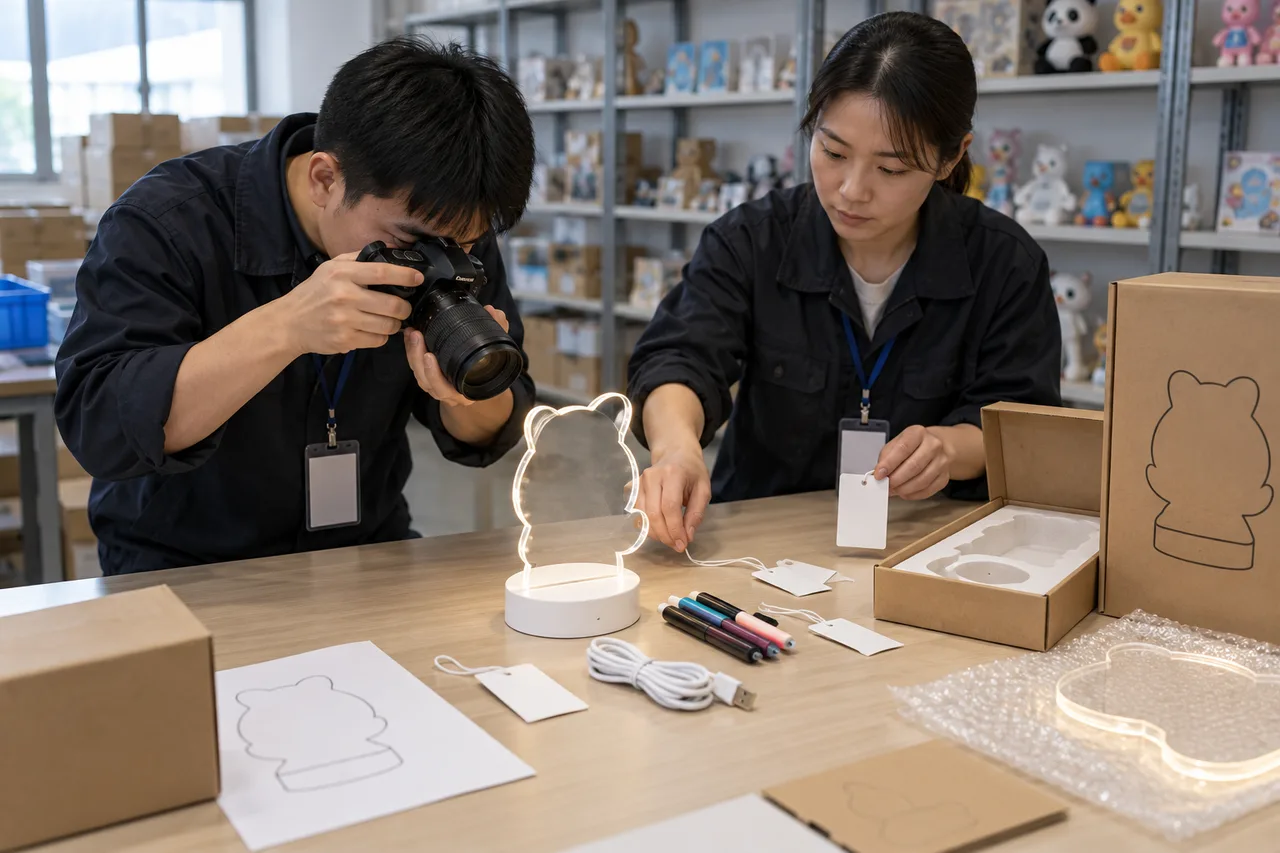
3. Review the electrical function as part of the set
For a light-up board, identify the power source, operating voltage, supplied adapter or cable, battery access, LED base, and controls. Ask BSMI whether electric-toy provisions apply to the exact configuration.
Evidence for the Taiwan review
A board powered by USB, replaceable batteries, or a separately supplied adapter can have different technical facts. Record whether a source is included or buyer-supplied, its exact model and rating, and how it connects to the base. Do not describe a USB connector as proof of a particular safety category or assume that a low-voltage arrangement removes all obligations.
The current BSMI material references toy standards and electrical testing topics for electric-driven toys. Determine which requirements apply to the actual item and which tests are relevant through the authority, test laboratory, or qualified local reviewer. Do not extend one paragraph of a standard or a report title to the entire product family.
For USB-powered units, confirm whether the cable is included and whether the model relies on an external supply. Capture electrical ratings and component identity in the file; the word USB is insufficient evidence.
For an electric base or separate supply, ask whether a different connector, adapter, or battery arrangement changes test sample identity. Make the manufacturer disclose substitutions before production release.
Keep the product's marketing claims, age information, and package illustrations beside the sample photos. They provide context for review and help avoid a wrong-version conclusion.
Electrical records should describe the source actually supplied. A photograph of a USB connector cannot establish input limits or component identity; use the manufacturer's specification and label image, and verify it against the physical sample before testing.
- Photograph the connector, base and any power label.
- List included and optional electrical parts separately.
- Ask which standard parts apply to the exact model.
4. Select the inspection procedure with the importer
BSMI product categories can use specified conformity procedures such as monitoring inspection, registration of product certification, or a declaration route where permitted. The current product entry determines which procedures are available.
Do not choose a procedure from another toy's experience. Find the exact category entry and note its listed standard and procedure. Confirm who applies, whether sample testing or factory information is required, what documents are submitted, how the mark is obtained, and what must happen before the goods enter the market. BSMI's current process instructions and local applicant status should control.
The importer can prepare a question set containing product photos, model, age presentation, materials, accessories, power configuration, package proof, tariff code hypothesis, and target sales date. This supports a useful answer. Save the case number, email response, or written decision and communicate the chosen procedure to the factory.
Keep test plans distinct for mechanical, chemical, electrical, and labeling topics. Ask the laboratory which parts of the standard apply rather than ordering a broad test package based on another model.
The importer should coordinate application timing with the factory's sample and artwork timeline. Avoid announcing a fixed launch date until testing and official review milestones are known.
When the authority provides clarification, save the full response and the submitted facts. A short answer separated from its question may be misapplied later.
The decision memo should distinguish a BSMI category check, formal application acceptance, test completion, mark authorization, and customs entry. These are separate milestones, and closing one does not necessarily complete the next.
- Use the precise category's approved procedure.
- Identify the importer/applicant and authorized agent.
- Save official clarification with product facts.
5. Control the Commodity Inspection Mark and artwork
Apply Taiwan's Commodity Inspection Mark only when authorized and according to BSMI instructions. Reconcile mark details and location with the approved product, packaging, and release records.
The package reviewer should verify the final mark artwork, product identity, importer data, language, warnings, age information, and item contents as applicable. Do not use a mark as a placeholder on a concept render or upload an example badge to a marketplace. A mark tied to one inspection path may not be used on another model or shipment without confirmation.
Keep the final dieline and print proof under version control. Compare the printed sample with the approved file and inspect that the board shown is the board packed. If the factory changes a base, supplied power component, or product claim, pause the release and ask the importer whether BSMI review needs to be updated.
A commodity inspection mark should be associated with the applicable route and approved product. Do not add it to a package file before the applicant confirms exact conditions.
Inspection records should state the observed units, method, and date. Do not describe a visual sample review as a BSMI inspection or laboratory result.
Do not attach a mark or test logo to an image used in a sales deck unless the exact authorization and product association are confirmed.
If an artwork includes an inspection mark, ask the responsible applicant to provide the approved asset and usage conditions. Never redraw, recolor, or place a mark from a reference screenshot onto a new model.
- Use only approved mark artwork and identifiers.
- Compare the final proof to the approved sample.
- Pause for review after a model or component change.
6. Prepare a model-specific sample and evidence set
A useful sample record includes model identity, all components, packaging, function, and the test or inspection question being assessed. It is not itself proof that BSMI accepted the product.
Photograph the sample from front, back, base, power connection, marker set, and retail pack. List what is included and mark any prototype-only item. Record dimensions or material descriptions only when measured or supported by supplier documentation. Include a unique buyer reference on every photo to prevent similar silhouettes from being mixed during discussions.
If testing is requested, agree the sample selection and applicable standard with the laboratory and importer. Keep the report, test sample configuration, and production order linked. A factory functional check may confirm a defined operation, but the report must not imply independent certification, long-term performance, or regulatory acceptance unless the evidence supports it.
If customs code and toy category appear inconsistent, send BSMI and the customs broker the same product facts and ask each body the question within its authority.
A translation reviewer should work from the current final package; technical warning text must not be rewritten for marketing convenience without local review.
At reorder, compare the new product revision to the accepted sample and review whether applicable source documents remain current.
For inspection sampling, record whether the unit was selected from production, supplied as a pre-production sample, or assembled for testing. That provenance helps reviewers understand how the evidence relates to imported goods.
- Identify sample version and purpose.
- Keep technical reports linked to the tested configuration.
- Separate factory observations from BSMI decisions.
7. Recheck official forms and changes before each launch
BSMI updates forms and guidance periodically. Use the latest item inquiry, marking, inspection, and procedure documents for every new model or changed configuration.
The BSMI forms page listed updated toy and children's-product forms in 2025 and 2026. A buyer should download current files at the time of a new project rather than reuse an old form attached to another model. Track source URL, revision, date, and person who completed the review.
Reopen scope review when age claims, play activity, electrical parts, materials, packaging, or target market changes. This is particularly important for private-label variants, where a new shape can change the package claims or the product category narrative. The article is informational only and does not replace BSMI or Taiwanese professional advice.
When a production sample has been used for review, record its date, source, model and whether it represents the final production process. A prototype may differ from mass-produced goods.
Retain source copies or a version note for official guidance because a form page can change between product development and shipment.
Check current requirements directly with BSMI. This article explains a buyer workflow, not a legal determination.
At the next shipment, compare official documents and product identifiers with the previous file. Reuse a prior record only after the importer confirms the model and applicable route remain unchanged.
For Taiwan, use the latest BSMI category and procedure documents, and ask for item-level clarification when intended use or electrical configuration makes scope uncertain. Keep the inspection route, sample, and Commodity Inspection Mark connected to one exact model.
- Download current forms rather than reusing old attachments.
- Track product and document revision together.
- Seek local BSMI clarification where classification remains uncertain.
Frequently asked questions
Does every LED drawing board require BSMI toy inspection?
Not automatically. BSMI scope depends on the marketed product, intended use, and the current mandatory category. Confirm the exact item with BSMI or a local adviser.
What is a useful BSMI scope enquiry package?
Provide product and package photos, intended use and age, components, power details, materials, product description, and the question needing classification.
Can a USB-powered board skip electric-toy review?
Do not infer that from the connector. Ask which electrical requirements apply to the exact board and included power configuration.
When should the buyer recheck BSMI documents?
Before each new launch and after changes to model, intended use, age claims, components, packaging, or relevant official procedures.
Image planning for this topic
These notes document the role and intended context of the two visuals used in this guide.
Show a buyer decision context for Taiwan BSMI Toy Inspection in 2026: A Buyer Guide to Scope and Release.
- Placement
- hero
- Caption
- Illustrative AI-generated photograph: A Taiwan importer reviews a board’s intended play use and 2026 BSMI checklist before classification.
- ALT text
- Taiwan buyer reviewing an LED drawing board and BSMI toy inspection checklist
View AI image direction
Photorealistic documentary photograph for a LumDigi B2B article about Taiwan BSMI Toy Inspection in 2026: A Buyer Guide to Scope and Release. Photorealistic documentary photograph in a Taipei product-import office: an adult Taiwanese buyer examines a shaped clear acrylic LED drawing board beside a tablet with an abstract blurred checklist, reviewing product scope and inspection steps. Contemporary neutral office, realistic acrylic, natural daylight, landscape 3:2. No BSMI mark, government seal, certificate, readable text, watermark, or text overlay. Real acrylic texture, candid commercial setting, landscape composition, no readable logos, no certificates, no text overlay, no watermark.
Show practical factory or shipment-review context for Taiwan BSMI Toy Inspection in 2026: A Buyer Guide to Scope and Release.
- Placement
- after-second-section
- Caption
- Illustrative AI-generated photograph: Chinese factory staff identify a sample’s electrical setup and package revision for the buyer’s Taiwan review.
- ALT text
- Chinese factory staff documenting an LED drawing board model for Taiwan import review
View AI image direction
Photorealistic documentary photograph for a LumDigi B2B article about Taiwan BSMI Toy Inspection in 2026: A Buyer Guide to Scope and Release. Photorealistic documentary photograph in a Chinese factory sample room: Chinese/Asian adult technicians document a shaped LED board, base, USB power cable, markers, and packaging revision using blank tags and a camera. Candid realistic quality workflow, natural factory lighting, landscape 3:2. No readable text, BSMI mark, invented testing, certificate, logo, watermark, or overlay. Real acrylic texture, candid commercial setting, landscape composition, no readable logos, no certificates, no text overlay, no watermark.
Turn the article into a practical sourcing brief
Use the checkpoints above to document the product, evidence, packaging, and approval decisions relevant to your market. A clear brief helps suppliers respond to the same commercial question and gives your team a traceable basis for the next step.
Useful external references
- BSMI: Toy Inspection Mobilization (August 2026)
Recent official summary of Taiwan toy inspection categories and product safety focus.
- BSMI FAQ: toy definition and inspection
Official toy scope, inspection and inquiry information.
- BSMI toy application and scope forms
Current official forms include a toy/stationery/children's-product item inquiry form and application documents.
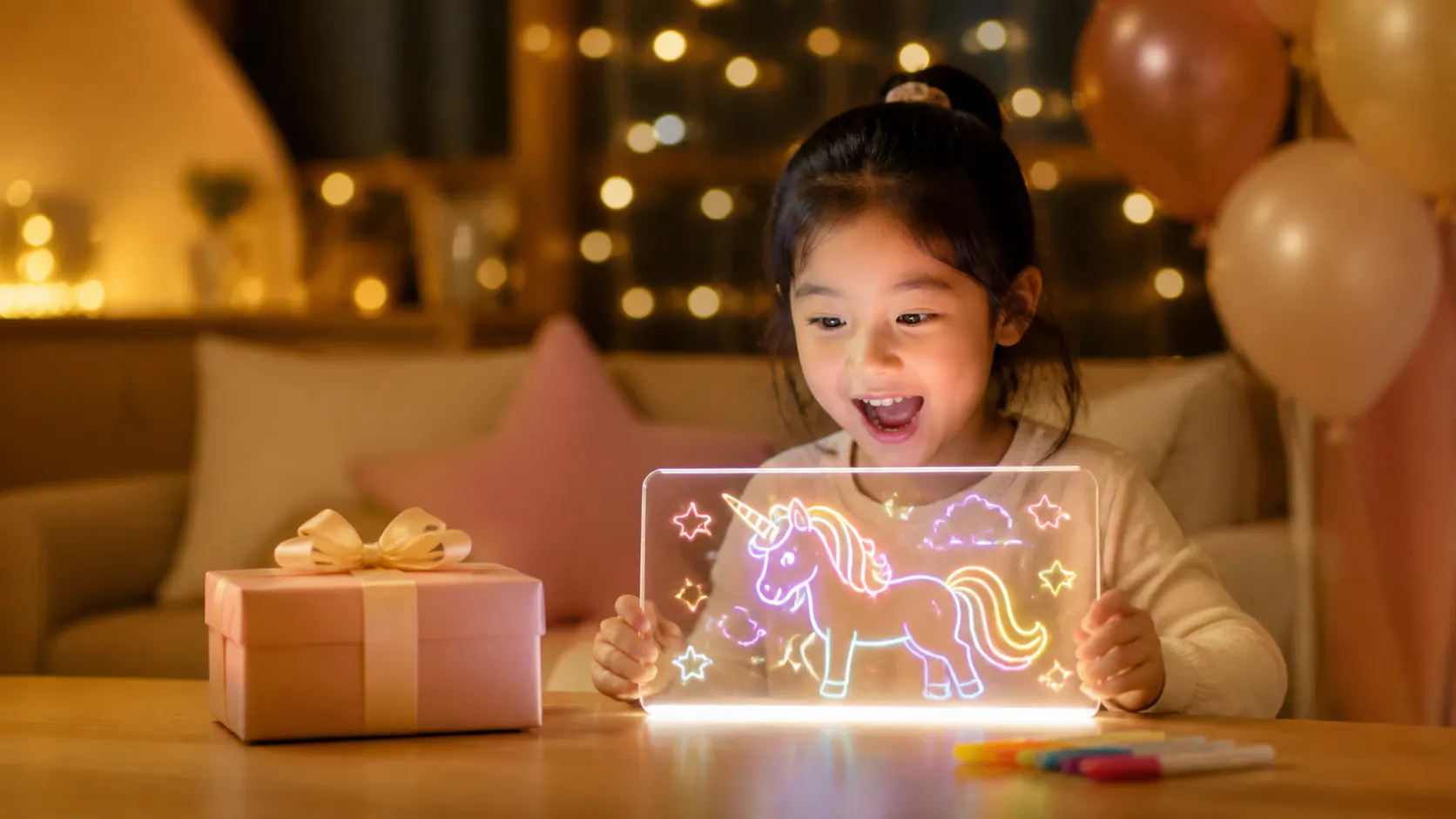
LED Drawing Board Buyer Documentation Checklist for Market Review
A practical B2B guide for importers and compliance coordinators who need to organize product information and questions for the buyer's own market review and qualified advisors.
Read article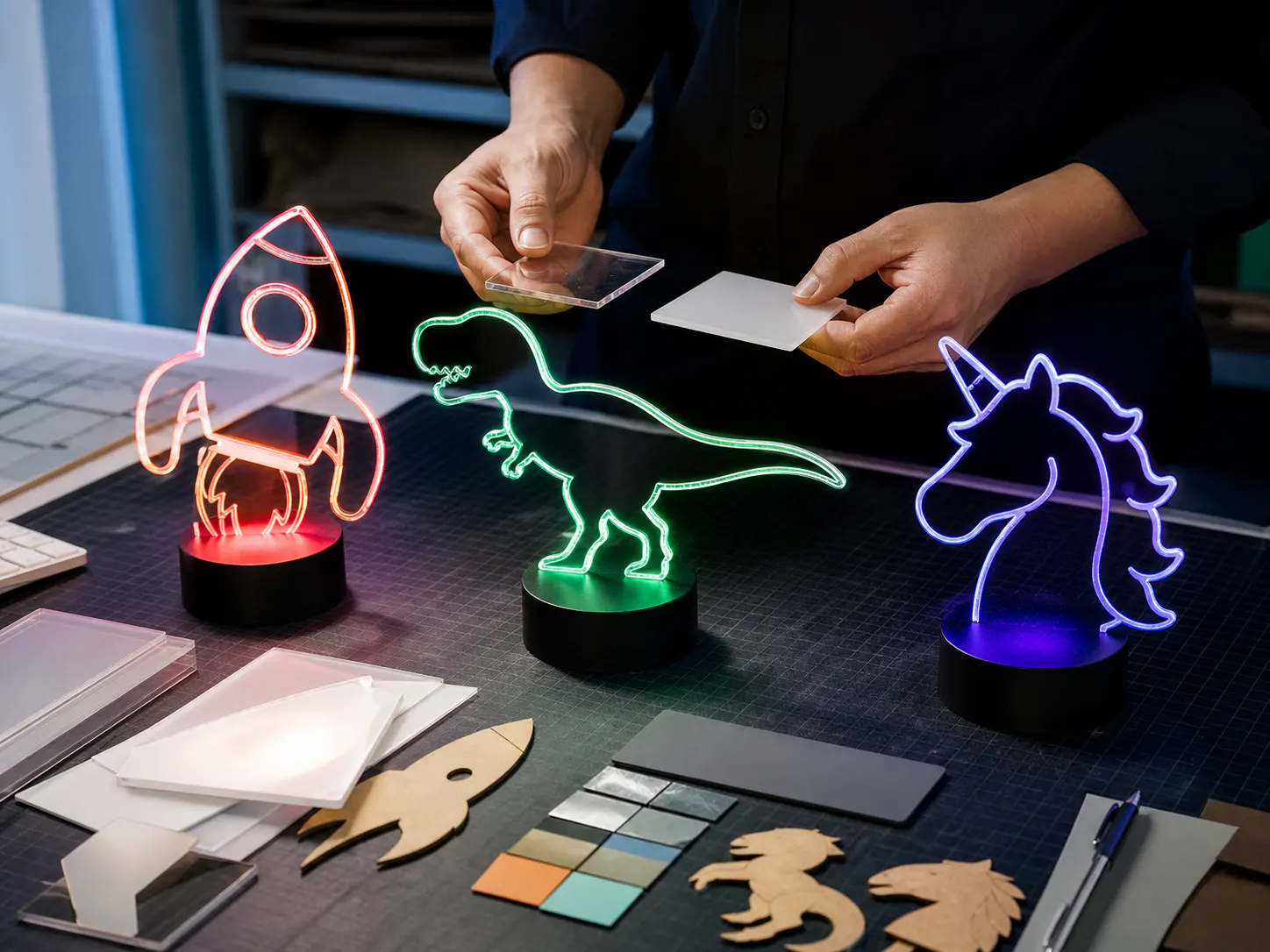
LED Drawing Board Pre-Shipment Inspection Guide for B2B Orders
A practical B2B guide for importers and distributors who need to prepare a factual inspection request around agreed product identity, visible condition, operation and packing observations.
Read article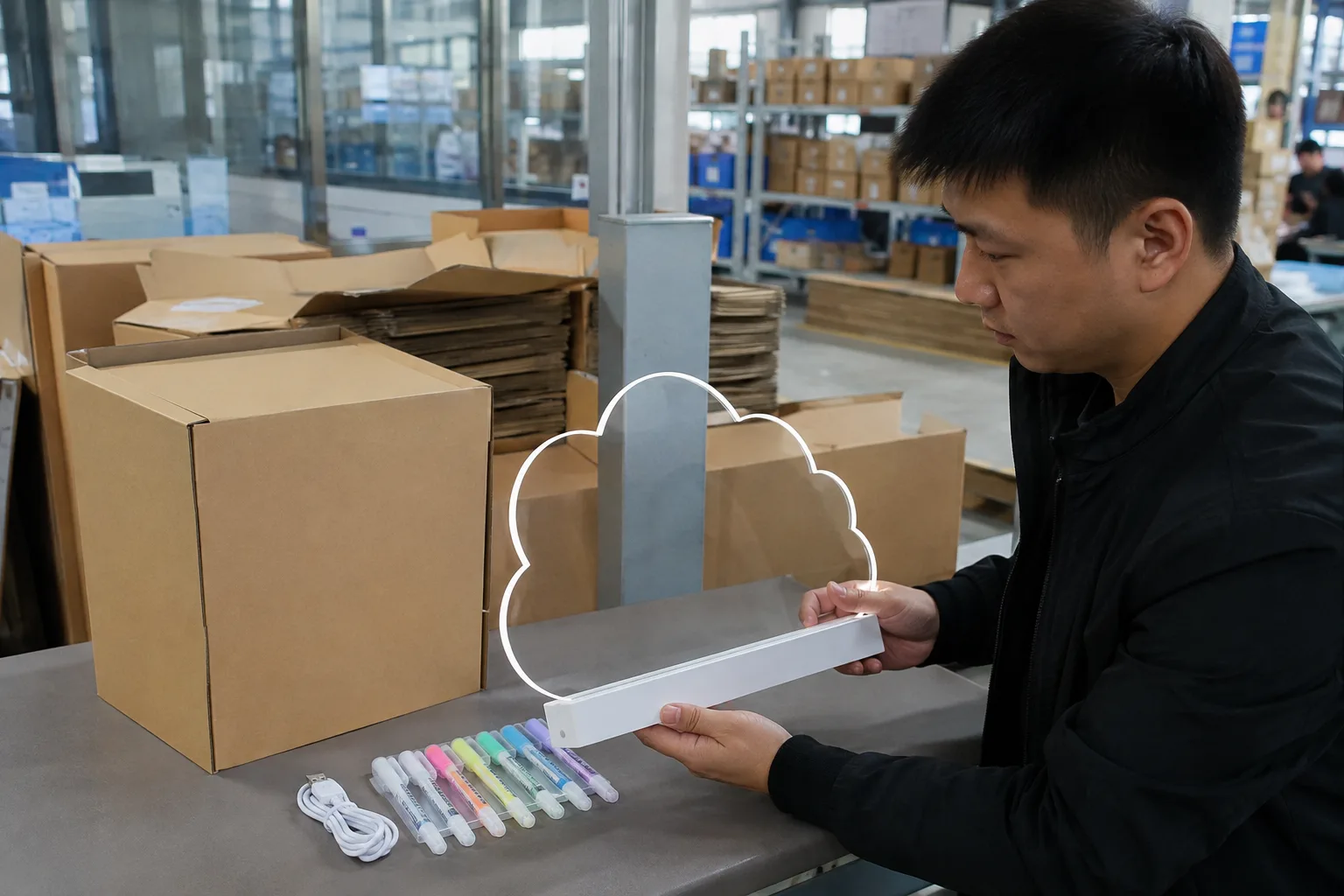
LED Drawing Board Importer–Factory Communication Guide
A B2B buying guide for importers, sourcing managers, and private-label brands who need to run project communication from a shared configuration, evidence list, and decision register.
Read article
Turkey 2026/10 Toy Import Inspection: A Pre-Shipment Guide for LED Board Buyers
A B2B buying guide for Turkish importers, toy distributors, sourcing teams, and product-safety coordinators who need to check the current 2026 import-inspection guidance for the exact product, then prepare matching product, conformity, and shipment records before dispatch.
Read article