
Identify the battery first, then each document's purpose
If the actual board contains a lithium cell or battery, request its identified configuration and appropriate transport evidence, including the applicable UN 38.3 test summary. An SDS serves a different information purpose and is not interchangeable with that summary. Have a qualified dangerous-goods shipper review classification, packaging, documents, and carrier requirements for the actual shipment.
1. Confirm whether the offered model contains a battery
USB-powered does not necessarily mean rechargeable, and rechargeable does not identify the cell chemistry. Obtain the actual product and battery configuration before requesting transport documents.
Ask whether the quoted board contains a battery, whether a battery is supplied separately, or whether it operates only from an external source. If a rechargeable variant is proposed, identify the cell and pack manufacturer, model, chemistry, ratings, configuration, and how it is supplied with the board. Record facts from the manufacturer rather than inferring them from a cable, a charging icon, or an unrelated sample.
This article applies conditionally to a configuration that actually contains lithium cells or batteries. It does not assert that every LumDigi product is rechargeable or contains lithium. A buyer should confirm availability and specifications for a proposed model. Keeping that condition explicit prevents unnecessary paperwork requests for a USB-only product and, more seriously, prevents a battery-containing shipment from being booked using information for a non-battery version.
Use an offered model reference such as the USB Portable LED Fluorescent Board only to begin a factual power enquiry. Its name does not establish a lithium battery or rechargeable feature. Ask the manufacturer to confirm the actual proposed configuration and availability. The transport file should follow that answer, rather than being assembled from documents for a different rechargeable product.
- Confirm battery presence and chemistry.
- Identify the actual cell and pack model.
- Connect the battery configuration to the quoted board.
2. Understand the UN 38.3 test summary's role
The test summary provides specified information about lithium cell or battery design testing under UN Manual subsection 38.3. It must be linked to the actual battery type; it is not a generic approval for every product or shipping route.
The PHMSA test-summary resource explains the requirement and provides an updated publication. Ask for a summary that identifies the manufacturer, laboratory, test report, battery description, and required elements under the applicable rule. A qualified shipper should determine which requirements and exceptions apply to the transaction. The buyer's procurement task is to obtain traceable information, not reinterpret a summary as a transport permit.
Check whether the document describes a cell, assembled battery, or product model and how that relates to the supplied equipment. A familiar battery size or brand is insufficient to establish identity. If the design changes, the responsible manufacturer and transport specialist should review the testing implications. Retain the supplied summary and the basis for its connection to the actual product in the shipment file.
Ask the summary provider to explain any product-family or alternative model references. A battery can be sold under several commercial descriptions, but the buyer should not infer technical identity from a similar label. The manufacturer or qualified specialist should provide the relationship and supporting records. Keep that explanation with the original document so the next shipping coordinator can understand why it was considered applicable.
- Obtain required summary elements and model identity.
- Distinguish cell, battery, and equipment references.
- Have the applicable rule reviewed for the actual shipment.

3. Keep SDS, test summary, and shipping documents distinct
These records answer different questions. A safety data sheet provides material or hazard information in its applicable context; the UN 38.3 summary identifies design-test information, and transport documents depend on shipment classification.
One document should not be relabeled to fill another requirement
If a supplier sends an SDS after a request for a test summary, review it as the document it is and ask for the missing summary where required. Do not rename the file or assume that a transport section in an SDS contains every required summary element. Likewise, a test report cover or certificate thumbnail may not be the summary needed by the supply chain. Ask the responsible provider to supply the correct record with its actual issuer and scope.
The PHMSA lithium-battery guide explains transport requirements and the traceability purpose of summaries. Carrier or forwarder requests may include additional documents. Have the qualified shipper distinguish what the regulation requires, what the carrier requests, and what supports the product's technical file. A complete file can contain several records without pretending they are interchangeable.
A checklist should preserve document status clearly: requested, received, reviewed for identity, accepted by the responsible shipper, or additional information needed. These statuses are different. A file uploaded to a shared folder is not necessarily complete or accepted for a route. The buyer can avoid rushed booking decisions by setting the review milestone before a sample is promised to a customer or retailer.
- Keep original document titles and purposes.
- Request the correct record for each requirement.
- Distinguish regulation, carrier policy, and supporting evidence.
4. Reconcile the battery document with the actual unit
The board, battery, specification, and transport evidence should identify a consistent configuration. A report for another capacity or pack arrangement should trigger clarification before booking.
Build a product-to-battery map with the board model, battery manufacturer and reference, chemistry, relevant ratings, supplied configuration, and document references. Obtain photographs of actual markings where available and a manufacturer statement explaining model equivalence if needed. The buyer should not create equivalence from similar dimensions or appearance. Ask the issuer or qualified specialist to explain discrepancies and retain the written answer.
This review also belongs in change control. A supplier may change a battery source or assembly for availability while keeping the board's commercial model name. Require advance notification and a record of the proposed change. The responsible technical and transport parties should determine whether existing evidence remains applicable. Keep the final purchase order and shipment declaration tied to the released configuration, not merely to a catalog family name.
When a rechargeable option is still in development, record which cell, pack, protection, charging, and enclosure facts are provisional. Provide that status to the qualified shipper and technical team. Do not describe a prototype as identical to production unless the evidence supports it. Sample approval should also state whether it concerns appearance, operation, or a completed technical configuration so later teams understand the limitation.
- Map board, cell or pack, and document references.
- Resolve ratings and model discrepancies.
- Require notice before battery substitutions.
5. Give a qualified shipper the complete shipment facts
Classification depends on battery chemistry, configuration, condition, quantities, packaging, and transport mode. The forwarder needs factual inputs and competent dangerous-goods review before accepting a booking.
State whether batteries are installed in equipment, packed with equipment, or shipped separately, and identify actual quantities and product condition. Provide the battery information and supporting records requested by the qualified shipper. Sample shipments can still require transport review; low commercial value or a small order does not automatically remove requirements. Do not choose a UN entry or exception merely because a previous shipment used it.
Use the current applicable transport rules and carrier instructions for the route. The U.S. lithium-battery regulation is one relevant legal source, while international air, sea, and local requirements can add different details. The article is not a packing instruction. A qualified shipper should specify the permitted packaging, marks, labels, documents, and handling for the actual consignment.
Route changes matter. A forwarder may propose air for a sample and sea for bulk stock, with different applicable processes and carrier requirements. Give the specialist the actual planned route and handovers, including any domestic leg. A prior booking on another mode should remain historical evidence rather than a universal classification or acceptance decision for every later shipment.
- State installed, packed-with, or separate configuration accurately.
- Disclose actual quantity, condition, and route.
- Use competent shipment classification and carrier confirmation.
6. Plan sample review without obscuring transport identity
The sample sent for buyer approval should have a documented configuration and purpose. A prototype, changed battery design, or damaged unit can raise different transport questions and needs specialist review.
Before sample dispatch, identify whether the unit represents the proposed production battery arrangement and whether any components remain provisional. Provide that information to the qualified shipper. Do not conceal a prototype status or substitute a battery to make the sample easier to ship without updating the buyer's record. The sample approval and the shipment plan should describe what is actually in the box.
During receipt, the buyer should record product identity, package condition, supplied contents, and the supported operating setup. Unexpected damage, swelling, heat, or other concerning behavior should be handled through appropriate manufacturer and safety channels. Avoid improvised charging or disassembly as part of a procurement review. Keep commercial appearance checks separate from technical battery investigation and any regulatory reporting obligations applicable to the responsible business.
If a product is returned or damaged, do not reuse the original outbound shipping plan automatically. Battery condition and shipment purpose can change the transport question. The responsible specialist should assess the actual facts and current rules. Support staff should collect information and route the case appropriately rather than instructing a customer to post an affected unit under a normal parcel label.
- Identify production or prototype sample status.
- Keep sample and transport descriptions consistent.
- Refer abnormal conditions to responsible specialists.
7. Maintain a shipment evidence checklist
The release file should identify the product and battery, appropriate summary and supporting records, classification review, carrier acceptance, package instructions, and the responsible shipper.
Use an index with document issuer, date, model coverage, owner, and status. Include only records that actually exist and flag unavailable evidence before booking. The importer, manufacturer, battery supplier, and forwarder should know which information each controls. A factory shipment inspection can verify agreed model and contents, but it cannot replace the dangerous-goods shipper's classification or document preparation.
At reorder, compare the battery and equipment configuration with the earlier file. Refresh relevant rules and carrier policies rather than treating an old booking as permanent approval. The sample-shipping guide covers general sample coordination; this battery file adds the conditional transport evidence needed when lithium is actually present. Keep an auditable decision trail so the next team can see why the shipment was prepared in a particular way.
For a consolidated order, identify battery-containing and non-battery configurations separately in the shipment data. A generic mixed-board description can obscure important facts. The qualified shipper needs the actual quantity and arrangement to prepare an appropriate consignment. Procurement should reconcile product codes, documents, and packing records so the board factory and forwarder describe the same goods.
- Name record owners and release dependencies.
- Resolve missing evidence before booking.
- Review changes and current transport requirements at reorder.
| Record | Primary question |
|---|---|
| Product specification | What equipment and battery are actually supplied? |
| UN 38.3 summary | Which battery design and required test information? |
| SDS where applicable | Which hazard/material information is provided? |
| Shipment documents | What does the qualified classification and route require? |
8. Conclusion: build the file around the identified battery
The correct document request starts with the real product and lithium battery configuration. A test summary, SDS, and shipping record each have a purpose; preserve those purposes and obtain qualified transport review.
A buyer can improve the process by requesting model-level records early, identifying the responsible battery supplier, and aligning the product sample with the shipment plan. This reduces the temptation to book first and repair paperwork later. Keep current route requirements and carrier acceptance visible, and record assumptions that affect the classification. No single document guarantees acceptance of every route or configuration.
For a LumDigi enquiry, state whether rechargeable operation is required, ask whether an appropriate model can be offered, and describe the intended market and shipment route. Confirm the actual battery facts before requesting transport evidence. If lithium is present, coordinate the document package with your qualified forwarder and responsible product team before approving a sample or bulk shipment.
Keep a change-trigger field in the order file for battery source, capacity or ratings, pack design, charging arrangement, enclosure, and transport mode. The list identifies facts that need review, not a universal retesting rule. The manufacturer and qualified reviewers should decide the evidence impact. This gives purchasing a reliable escalation path without asking it to make technical transport determinations from appearances.
- Confirm actual battery presence and identity.
- Obtain each document for its intended purpose.
- Use qualified classification and shipment preparation.
Frequently asked questions
Can an SDS replace a UN 38.3 test summary?
Treat them as different records. An SDS may provide hazard information, while the summary contains specified information about lithium battery design testing. Ask the qualified shipper which requirements apply, obtain the correct summary where required, and do not relabel an SDS to fill a missing document.
Does a USB charging cable prove a board contains lithium?
No. Confirm whether a battery exists and identify its chemistry and configuration from the actual manufacturer specification. A USB-powered product may have no battery. The transport review should describe the actual unit being shipped, including whether a battery is installed, packed with it, or separate.
Who determines the battery shipment's classification?
Use a competent dangerous-goods shipper or qualified transport specialist for the actual product, quantity, condition, mode, and route. The buyer and supplier should provide accurate facts and documents, while carrier acceptance and applicable transport requirements are confirmed before booking.
Image planning for this topic
These notes document the role and intended context of the two visuals used in this guide.
Show model and document reconciliation
- Placement
- hero
- Caption
- Illustrative AI-generated photograph: a buyer reviews a proposed rechargeable-board file with separate battery document folders.
- ALT text
- Asian buyer reviewing battery document folders beside an acrylic LED drawing board
View AI image direction
Use case: photorealistic-natural. Asset type: editorial image for a LumDigi B2B LED drawing board article. Adult Asian importer reviews a shaped acrylic LED drawing board and two plain document folders at an office desk. A small sealed unbranded battery module is displayed separately as a concept sample in a protective tray, no exposed wiring, no readable hazard labels or test results. Landscape 3:2, real acrylic textures, modest natural light, candid professional photography. If workers appear, they are Chinese/Asian adults. No invented logos, certification marks, readable documents, numerical test results, watermark, or text overlay. Show an illustrative procurement or sample-review scene, not proof of an actual test or shipment.
Show shipment planning context
- Placement
- after-second-section
- Caption
- Illustrative AI-generated photograph: Chinese export staff prepare an unbranded board sample and its document checklist for a shipping review.
- ALT text
- Chinese export staff reviewing an LED drawing board sample and plain shipping records
View AI image direction
Use case: photorealistic-natural. Asset type: editorial image for a LumDigi B2B LED drawing board article. Chinese/Asian adult export staff at a clean packing bench review a plain carton containing a protected LED acrylic board sample and a closed document sleeve. A laptop shows blurred logistics fields. No battery handling procedure, live cells, invented marks, or readable document text. Landscape 3:2, real acrylic textures, modest natural light, candid professional photography. If workers appear, they are Chinese/Asian adults. No invented logos, certification marks, readable documents, numerical test results, watermark, or text overlay. Show an illustrative procurement or sample-review scene, not proof of an actual test or shipment.
Turn the article into a practical sourcing brief
Use the checkpoints above to document the product, evidence, packaging, and approval decisions relevant to your market. A clear brief helps suppliers respond to the same commercial question and gives your team a traceable basis for the next step.
Useful external references
- PHMSA: Lithium Battery Test Summaries
Official explanation and current outreach material for lithium-battery test summaries.
- PHMSA: Lithium Battery Guide
Official U.S. transport guidance explaining battery identification, test-summary context, and shipment requirements.
- 49 CFR 173.185: Lithium cells and batteries
Current official U.S. transport regulation; relevant shipment details and exceptions require qualified review.
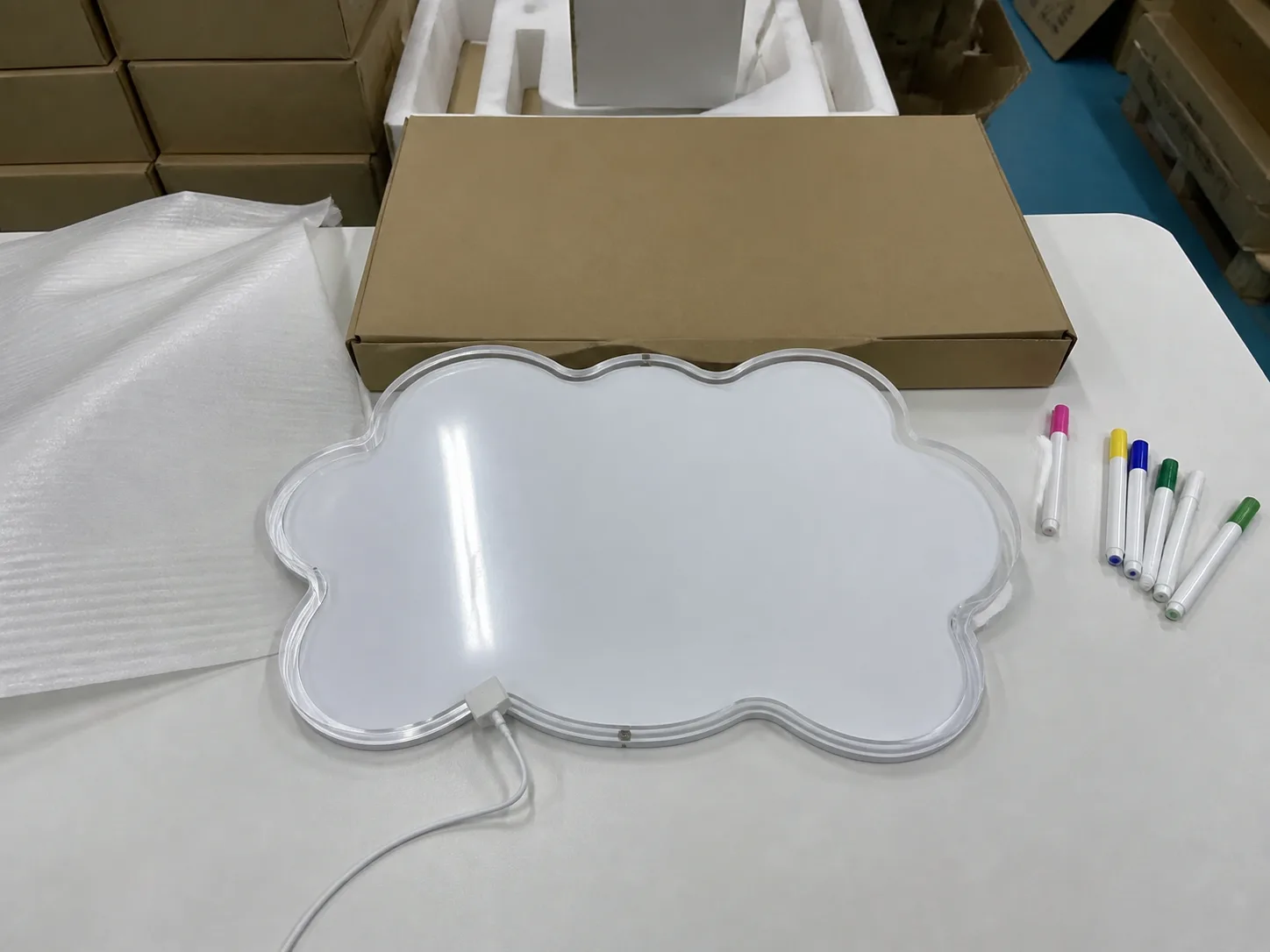
LED Drawing Board Sample Shipping Guide for Overseas Buyers
A B2B buying guide for importers, distributors, and product developers who need to prepare a sample shipment around an identified configuration, contents list, packing record, and review questions.
Read article
EU Battery Regulation for LED Drawing Boards: A Conditional Importer Guide
A configuration-first guide to EU battery obligations for board versions that actually include or incorporate a battery, with evidence and change-control checks for importers.
Read article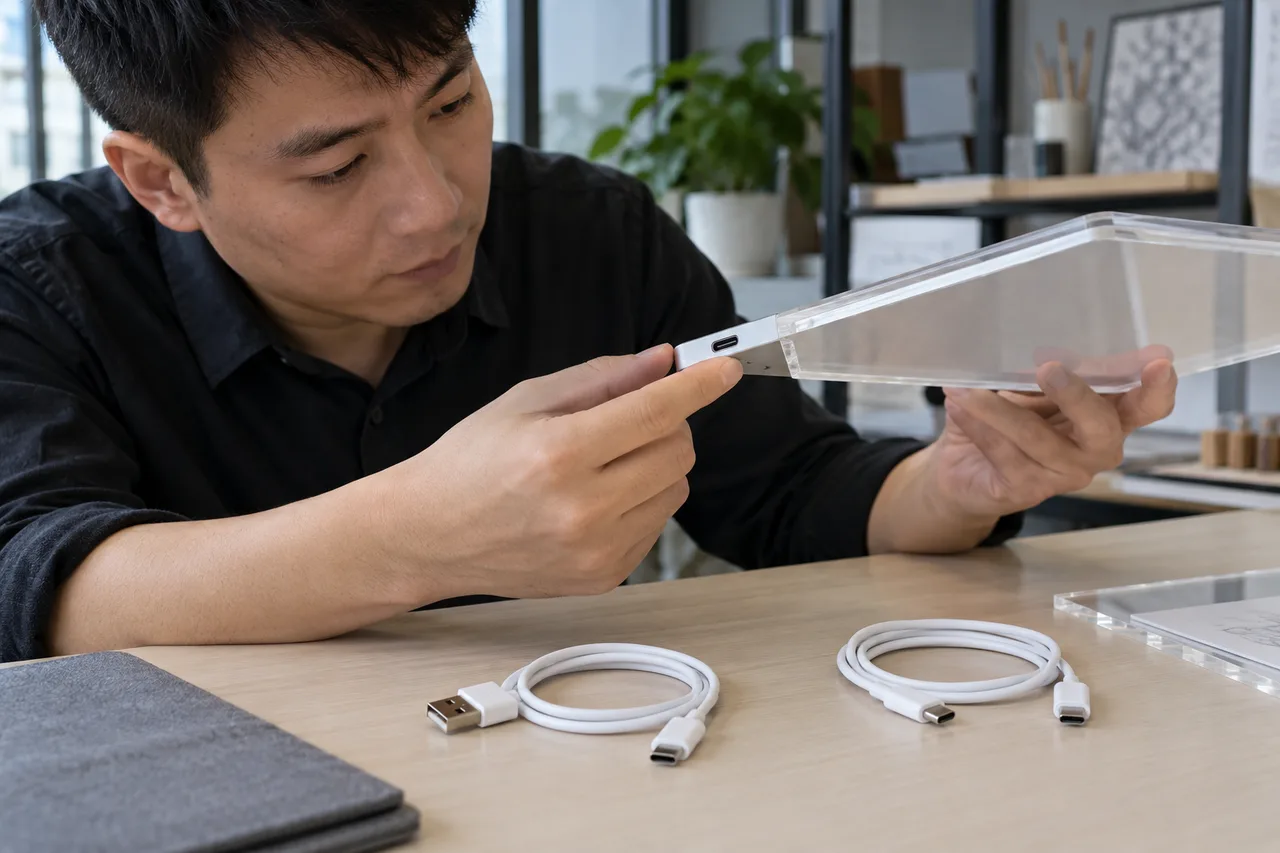
USB-C vs USB Power Delivery: What LED Drawing Board Buyers Need to Specify
A practical guide to avoiding connector and power misunderstandings in wholesale LED board specifications and sample approvals.
Read article
Can Alcohol Clean an Acrylic LED Drawing Board? A Buyer Guide to Cleaner Approval and Crazing
A care-instruction and sample-review guide for importers investigating haze, fine cracks, and unsupported cleaning recommendations.
Read article